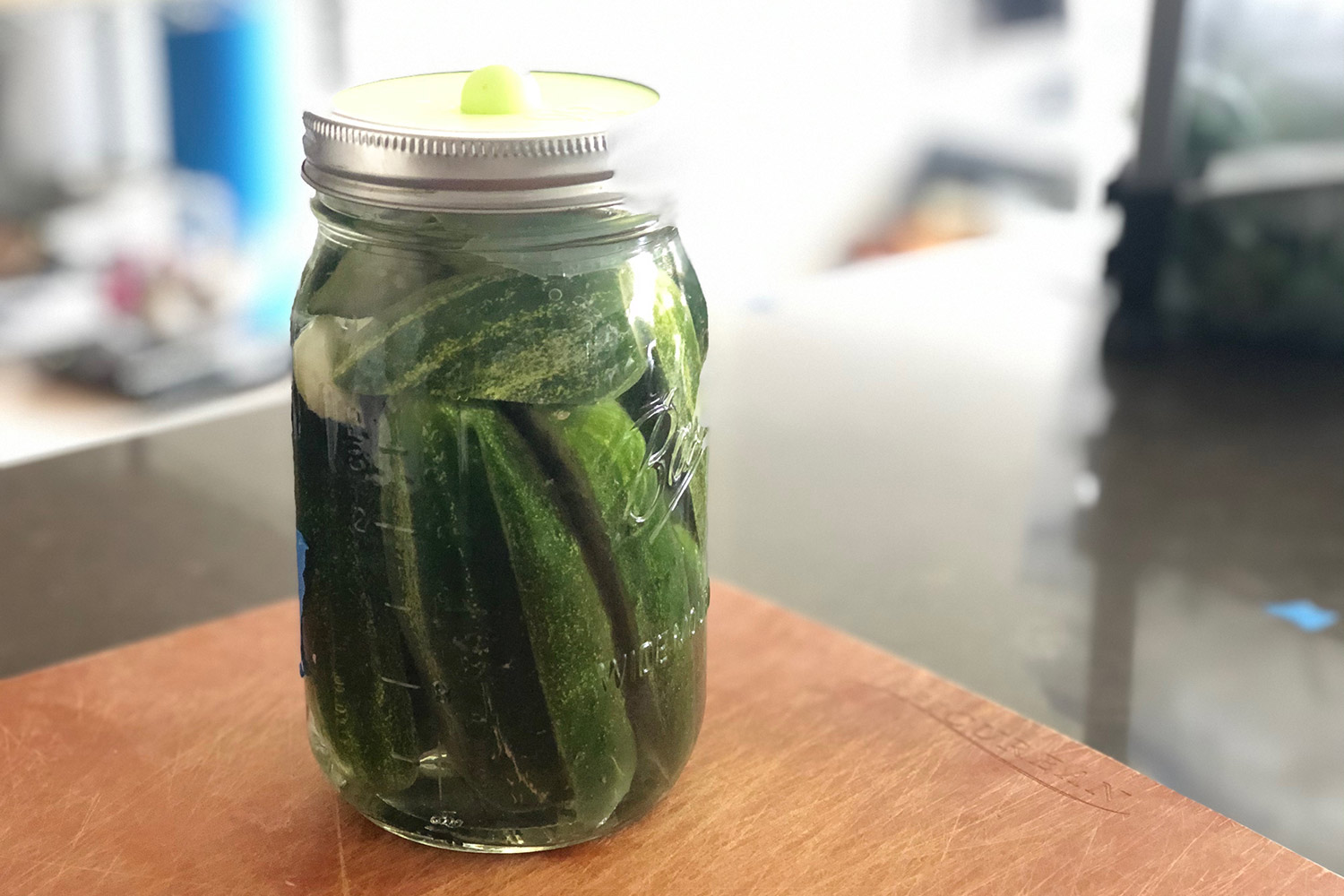

In a world increasingly plagued by digestive discomfort, bloating has emerged as a pervasive modern malady. It’s a sensation many of us know all too well: that uncomfortable fullness, distention, and often, the accompanying gas that can turn a simple meal into an hour-long ordeal. We chase relief through an endless array of supplements, restrictive diets, and over-the-counter remedies, often overlooking a humble, age-old solution that might just be lurking in the back of our refrigerators: the fermented pickle.
The idea that a briny, tangy cucumber – or indeed, any vegetable transformed by the magical process of lactic acid fermentation – could hold the key to a calmer gut might seem counterintuitive. For many, pickles conjure images of salty snacks or burger accompaniments, far removed from the realm of digestive aids. Yet, as we embark on a journey through history, microbiology, and the intricate landscape of our own bodies, a surprising, profound connection emerges. This isn’t just about a culinary curiosity; it’s about rediscovering a powerful, natural tool that has nourished and healed generations, now poised to reclaim its rightful place in our modern wellness lexicon.
The Modern Malaise: A Gut in Distress
Before we delve into the briny depths, let’s acknowledge the problem. Bloating isn’t merely an aesthetic concern; it’s often a symptom of an underlying digestive imbalance. Our modern diets, characterized by highly processed foods, an abundance of refined sugars, insufficient fiber, and an overuse of antibiotics, have wreaked havoc on our gut microbiomes – the vast ecosystem of bacteria, fungi, and other microorganisms residing within our intestines.
This delicate ecosystem, often referred to as our "second brain," is responsible for far more than just digestion. It influences our immune system, modulates our mood, synthesizes vitamins, and even communicates with our brain. When the balance is disrupted, when beneficial bacteria are outnumbered by opportunistic pathogens, the consequences can be profound. Undigested food particles ferment inefficiently, producing excess gas. The gut lining can become compromised, leading to inflammation and increased sensitivity. The result? Bloating, abdominal pain, irregular bowel movements, and a cascade of other systemic issues.
The relentless pursuit of convenience has inadvertently stripped our food supply of many of the natural ferments that once constituted a significant portion of our ancestors’ diets. Without these microbial allies, our guts are left vulnerable, struggling to perform their essential functions optimally. It is into this breach that the humble fermented pickle steps, offering a beacon of hope from an unexpected quarter.
A Journey Back in Time: The Ancient Wisdom of Preservation
The story of fermented foods is as old as humanity itself. Long before refrigeration or pasteurization, our ancestors discovered the transformative power of fermentation not just as a means of preservation, but as a culinary art form and a source of vital nutrients. From the kimchi of Korea to the sauerkraut of Central Europe, the kvass of Eastern Europe, and the ubiquitous fermented vegetables found across countless cultures, lactic acid fermentation was a cornerstone of human survival and thriving.
The earliest records of pickling vegetables date back over 4,000 years, with evidence suggesting ancient Mesopotamians were already preserving cucumbers in a briny solution. Cleopatra, it is said, attributed her beauty to a diet rich in pickles. Roman emperors, Chinese laborers, and European sailors alike consumed them for their perceived health benefits and their ability to prevent scurvy on long voyages. These early practitioners didn’t understand the microscopic mechanisms at play, but they intuitively recognized the beneficial outcomes: enhanced flavor, extended shelf life, and a sense of well-being after consumption.
Pickling, in its true, traditional sense, involved submerging vegetables in a salt-water brine, allowing naturally occurring bacteria – primarily Lactobacillus species – to get to work. These bacteria consume the sugars present in the vegetables, producing lactic acid, carbon dioxide, and other beneficial compounds. This lactic acid lowers the pH of the environment, creating an acidic condition that inhibits the growth of spoilage-causing microorganisms, while simultaneously "pickling" the vegetables, giving them their characteristic tang, crunch, and extended shelf life.
It is this ancient wisdom, largely overshadowed by industrial food processing and sterile environments, that we are now rediscovering. The "pickles" we commonly find on supermarket shelves today are often quick-pickled in vinegar and heat-processed, effectively sterilizing them and stripping them of the very microbial life that makes traditional fermented pickles so potent. The surprising connection, therefore, isn’t with just any pickle, but specifically with those that have undergone true, live fermentation.
Unveiling the Microscopic Marvels: The Science of Fermentation
To truly appreciate the debloating power of fermented brine, we must peer into the microscopic world of the gut and the intricate dance of fermentation.
1. Probiotic Powerhouses:
The most celebrated aspect of fermented pickles is their status as natural probiotic delivery systems. Probiotics are live microorganisms that, when administered in adequate amounts, confer a health benefit on the host. When you consume a truly fermented pickle, you are introducing billions of these beneficial bacteria directly into your digestive tract.
These incoming microbes join forces with your existing gut flora, helping to:
- Restore Balance: They outcompete harmful bacteria, yeast, and fungi that contribute to gas production and inflammation. By increasing the diversity and population of beneficial species, they shift the microbial balance towards a healthier state.
- Aid Digestion: Probiotic bacteria produce enzymes that help break down complex carbohydrates, proteins, and fats that our own digestive enzymes might struggle with. This "pre-digestion" reduces the burden on our system, leading to less undigested food sitting in the gut and fermenting inefficiently, which is a primary cause of bloating and gas.
- Strengthen the Gut Barrier: Many beneficial bacteria contribute to the integrity of the gut lining. They help produce mucus and fortify the tight junctions between intestinal cells, preventing "leaky gut" syndrome, which can contribute to systemic inflammation and digestive discomfort.
- Reduce Gas Production: Certain strains of probiotics are particularly effective at reducing methane and hydrogen gas production, directly addressing the physical symptoms of bloating.
2. Enzymatic Enrichment:
Beyond the live cultures themselves, the fermentation process itself is a powerful enzymatic transformation. The bacteria, as they metabolize sugars, release a host of enzymes that begin the breakdown of the vegetable matrix. This means that when you eat a fermented pickle, you’re not just getting probiotics, but also food that has already been partially "digested" by microbial enzymes.
Consider cellulose, a complex carbohydrate found in plant cell walls. Humans lack the enzymes to fully break down cellulose, which is why raw vegetables can sometimes be difficult to digest and contribute to gas for sensitive individuals. During fermentation, bacterial enzymes begin to break down these complex structures, making the nutrients more accessible and the vegetable itself easier for our own digestive system to process. This reduced workload for your digestive system translates directly into less digestive distress, including less bloating.
3. Electrolyte Repletion and Hydration:
While often overlooked, the brine itself plays a crucial role. The salt in the brine isn’t just for flavor; it’s essential for the fermentation process and acts as a natural electrolyte. Electrolytes like sodium, potassium, and chloride are vital for maintaining fluid balance in the body, nerve function, and muscle contractions.
Dehydration and electrolyte imbalance can paradoxically contribute to bloating, as the body might retain water in an attempt to correct the imbalance, or digestive processes might slow down. Consuming fermented pickle brine, particularly after exercise or during periods of mild dehydration, can help replenish these vital minerals, supporting proper hydration and optimal digestive function. This is why many athletes swear by pickle juice for muscle cramps and rehydration.
4. The Power of Lactic Acid: