
The hum of the city had become a constant companion for Anya, a relentless, insidious drone that permeated her waking hours and often bled into her restless nights. For years, she had thrived on the frenetic energy of urban life, seeing it as the engine of her ambition. But lately, the engine was sputtering. Her once-sharp focus had blurred, replaced by a pervasive anxiety that clung to her like a shroud. Headaches were a daily ritual, and even the simple act of looking at her phone felt like an assault on her senses. She was, in the parlance of modern life, burnt out.
Her friend, a quiet advocate for unconventional remedies, had nudged her towards something called "Forest Bathing." Anya, a woman of spreadsheets and strategic plans, scoffed. "Bathing in a forest? Do I need a loofah and some organic soap?" The friend simply smiled and handed her a brochure for a weekend retreat, a small, unassuming pamphlet promising nothing more than "a return to self." Skeptical but desperate, Anya booked it, envisioning a quaint, slightly awkward commune of tree-huggers.
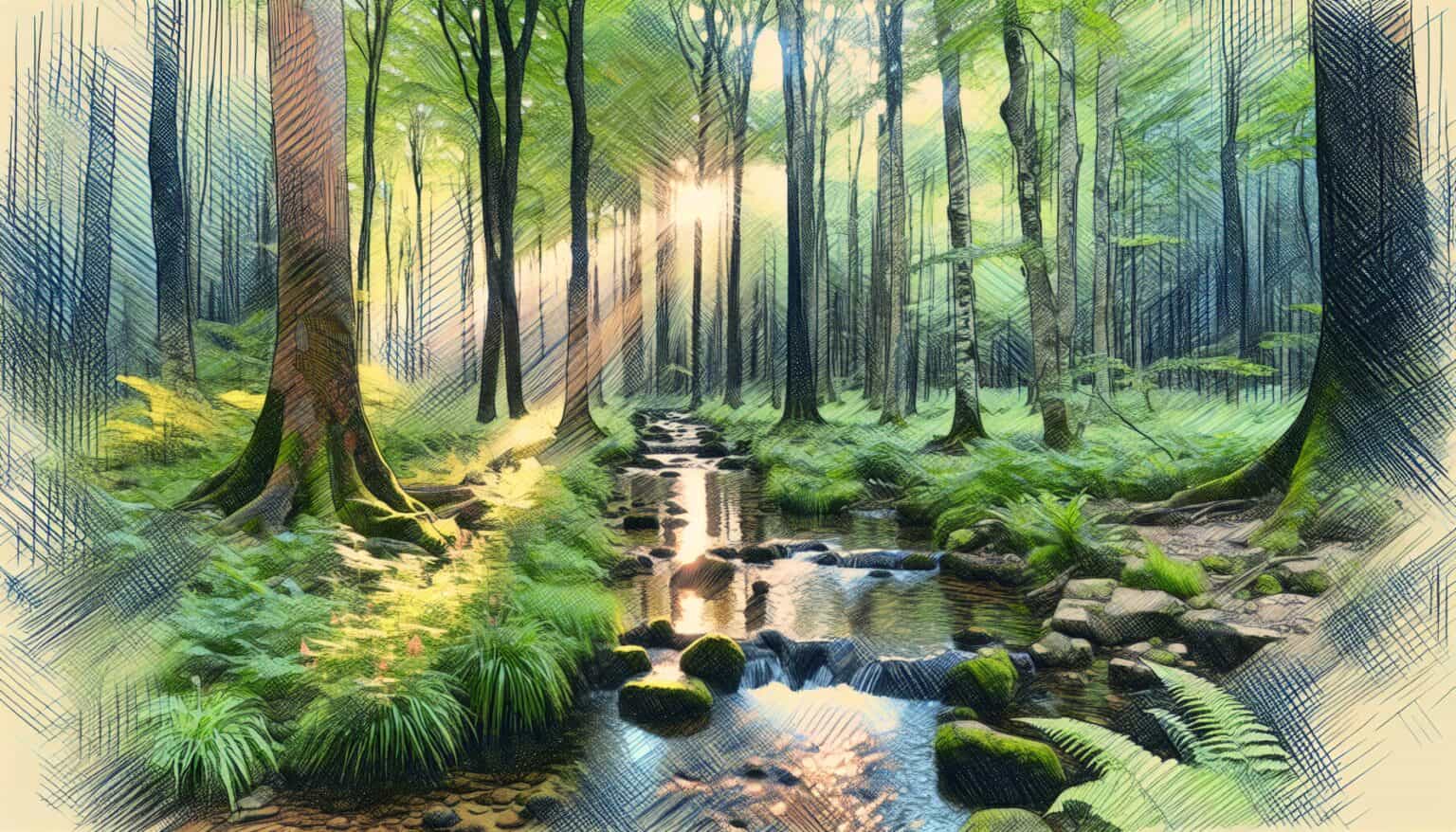
What she found was no commune. It was a silent, ancient forest, a cathedral of towering oaks and whispering pines. Her guide, a woman with a gentle voice and eyes that held the quiet wisdom of the woods, didn’t lead them on a strenuous hike. Instead, she invited them to slow down. To really see the dappled sunlight filtering through the canopy, to hear the rustle of leaves underfoot, the distant call of a bird. To smell the damp earth and the sweet resin of the pine. To feel the rough bark of a tree against her palm, the cool moss under her fingers.
Anya resisted at first, her mind racing with to-do lists and unanswered emails. But slowly, imperceptibly, the forest began its work. The incessant chatter in her head softened, then quieted. The tension in her shoulders unwound. For the first time in what felt like years, she felt a profound sense of peace, a quiet joy that didn’t demand anything of her, only presence. By the end of the weekend, she wasn’t just rested; she felt recalibrated. The world seemed sharper, brighter, and the city’s hum, when she returned, felt less like an assault and more like a distant echo.
Anya’s experience is not an isolated anecdote. It is a testament to a growing global phenomenon: the recognition of nature’s profound capacity to heal, rejuvenate, and inspire. While Forest Bathing, or Shinrin-yoku as it’s known in its native Japan, has gained significant traction, it represents just one facet of a much broader and deeper movement: Nature-Based Travel. This isn’t merely about taking a vacation in a scenic locale; it’s about intentional immersion, a purposeful journey into the wild or semi-wild, designed to foster physical, mental, emotional, and even spiritual well-being. It is, in essence, a return to our roots, a re-engagement with the primal connection that modern life has often severed.
The Genesis: From Ancient Wisdom to Shinrin-yoku
Humanity’s intrinsic connection to nature is not a novel concept. Indigenous cultures across the globe have long understood and revered the natural world as a source of life, wisdom, and healing. Ancient philosophers spoke of the therapeutic qualities of natural landscapes. Yet, as industrialization and urbanization accelerated, this connection attenuated, replaced by concrete jungles and digital screens.
It wasn’t until the 1980s, in Japan, that this ancient wisdom received a modern, scientific framework. Faced with an epidemic of stress-related illnesses, burnout (karoshi), and "techno-stress," the Japanese government launched a public health initiative called Shinrin-yoku, literally translated as "forest bathing" or "taking in the forest atmosphere." The premise was simple yet revolutionary: spending mindful time in a forest environment could significantly improve health.
But what exactly is Shinrin-yoku? It’s not a hike, nor is it strenuous exercise. It’s a deliberate, sensory immersion. A guided forest bathing walk encourages participants to slow down, to wander aimlessly, to engage all five senses – to see the vibrant greens, hear the symphony of birdsong, smell the earthy aroma of soil and decaying leaves, feel the texture of bark, and even taste the fresh, clean air. The goal is not to reach a destination, but to simply be in the present moment, allowing the forest to work its quiet magic.
The initial anecdotal evidence quickly garnered scientific interest. Researchers began to study the physiological and psychological effects of forest immersion, leading to groundbreaking discoveries. Key among these was the identification of phytoncides, airborne chemicals emitted by trees to protect themselves from insects and fungi. When humans inhale these compounds, they’ve been shown to boost the activity of natural killer (NK) cells, a type of white blood cell that plays a vital role in our immune system, effectively turning the forest into a natural pharmacy.
Beyond the Forest: A Spectrum of Nature Immersion
While Shinrin-yoku serves as a powerful entry point, the realm of nature-based travel extends far beyond a gentle stroll in the woods. It encompasses a vast spectrum of experiences, each offering unique pathways to healing and self-discovery. The "beyond" signifies a deeper, more varied engagement with the natural world, tailored to individual needs and desires for connection, adventure, and restoration.
1. Wilderness Retreats & Disconnection Journeys:
For those seeking a profound break from the digital world and urban clamor, wilderness retreats offer an unparalleled opportunity for deep immersion. These can range from rustic cabins nestled deep in national parks to eco-lodges offering guided meditation and yoga amidst breathtaking scenery. The emphasis here is on disconnecting to reconnect – with oneself, with nature, and often with a smaller, like-minded community. Activities might include guided nature walks, silent contemplation, journaling, stargazing, or even learning basic survival skills, fostering a sense of self-reliance and primal connection. Think of a remote glamping experience in Patagonia, an off-grid cabin in the Canadian Rockies, or a multi-day silent retreat in the heart of a rainforest.
2. Adventure Travel with a Mindful Twist:
Traditional adventure travel often focuses on adrenaline and conquering challenges. Nature-based adventure travel retains the excitement but infuses it with intentional mindfulness. It’s not just about reaching the summit, but about experiencing every step of the climb, noticing the subtle changes in flora and fauna, feeling the wind on your face, and appreciating the vastness of the landscape. This could involve multi-day mindful hiking expeditions, sea kayaking through pristine fjords with an emphasis on observing marine life, birdwatching tours focused on deep listening, or even rock climbing where the focus is as much on the texture of the rock and the breath as it is on the ascent. The physical exertion becomes a form of moving meditation, anchoring the mind in the present.
3. Eco-Therapy & Nature-Assisted Interventions:
This category bridges the gap between traditional therapy and the healing power of nature. Eco-therapy, sometimes called green therapy or nature therapy, uses exposure to nature as a core component of psychological and physical healing. This can manifest in various forms:
- Horticultural Therapy: Engaging with gardening and plant care to improve mood, cognitive function, and physical dexterity.
- Wilderness Therapy: Structured outdoor programs, often for at-risk youth or individuals struggling with mental health challenges, using primitive skills, group dynamics, and natural consequences to foster personal growth and resilience.
- Animal-Assisted Therapy in Natural Settings: Interacting with animals (horses, dogs, even farm animals) within a natural environment to reduce anxiety and promote emotional connection.
These interventions are often guided by trained therapists and are increasingly recognized for their efficacy in treating conditions like PTSD, depression, and anxiety.
4. Voluntourism & Conservation Travel:
For those who find purpose in contribution, voluntourism combines travel with meaningful conservation efforts. This form of nature-based travel offers a dual benefit: the traveler experiences profound immersion in a natural environment while actively contributing to its preservation. Examples include participating in marine conservation projects (coral reef restoration, sea turtle protection), reforestation initiatives, wildlife monitoring in national parks, or assisting at animal sanctuaries. The act of giving back creates a deep sense of connection, purpose, and gratitude, fostering a unique kind of healing that comes from collective effort and ecological stewardship.
5. Spiritual Journeys in Sacred Landscapes:
Many cultures have long revered specific natural sites as sacred – mountains, rivers, ancient groves, deserts. Nature-based spiritual journeys leverage these powerful landscapes for introspection, meditation, and spiritual renewal. This could involve pilgrimages along ancient trails, vision quests in the wilderness, silent retreats in remote monasteries overlooking natural wonders, or even simply seeking out places of immense natural beauty for personal contemplation and connection to a higher power or the universe itself. The grandeur and timelessness of these landscapes often facilitate a profound shift in perspective, offering solace and clarity.
6. Creative Pursuits in Nature: