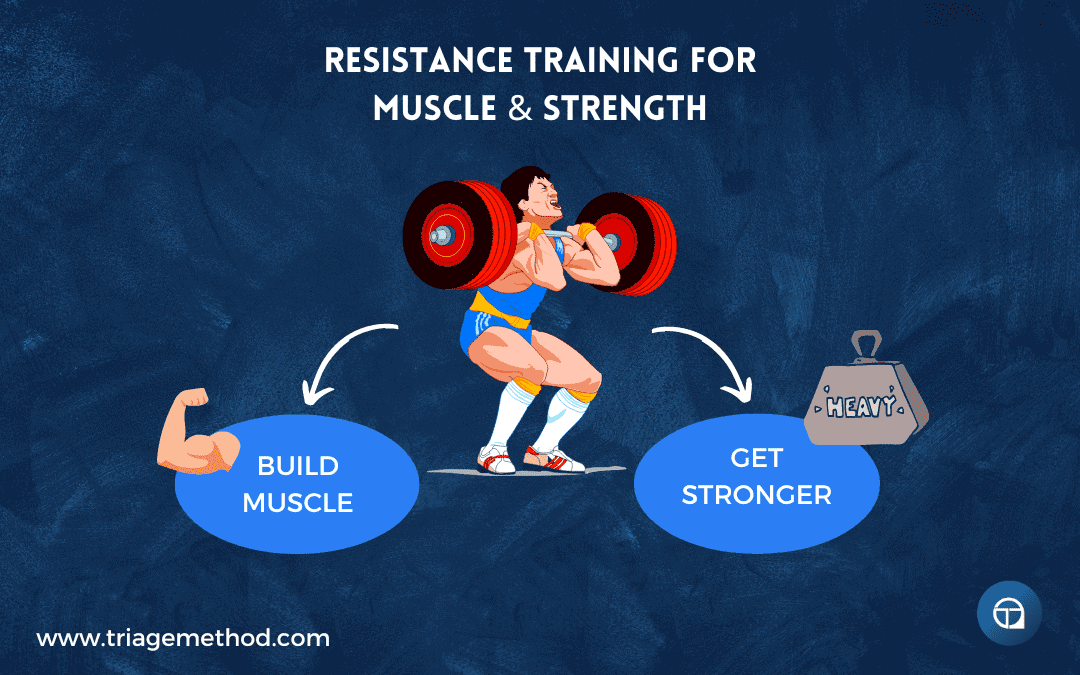

Beyond the superficial gleam of sculpted physiques and the fleeting allure of fleeting trends, there exists a profound alchemy at the heart of resistance training. It is an alchemy that transmutes raw effort into something far more valuable than mere aesthetics: a holistic resilience, forged in the crucible of exertion, that extends from the very fibers of our muscles to the intricate pathways of our minds. For the discerning and knowledgeable, the pursuit of physical prowess is understood not as a singular endeavor, but as a complex interplay of forces. Among these, three stand out as a formidable "triple threat," synergistically cultivated through the disciplined practice of resistance training: Strength, Stamina, and Serotonin.
This is not a tale of simple muscle gain, nor a rudimentary guide to lifting weights. Instead, it is a deeper exploration, a narrative woven through the intricate physiology and psychology of human potential, revealing how the deliberate engagement with resistance sculpts not just the body, but the very essence of our being. For the knowledgeable audience, we delve beyond the ‘what’ to the ‘how’ and, more importantly, the ‘why,’ unraveling the profound mechanisms that underpin this transformative journey.
I. The Foundation: Strength – The Primal Imperative
To speak of strength is to touch upon something ancient, something woven into the very fabric of our evolutionary history. Before the advent of modern conveniences, strength was synonymous with survival – the ability to hunt, to build, to protect. In our contemporary world, this primal imperative endures, albeit in a more nuanced form. Strength, in its purest definition, is the maximal force that a muscle or muscle group can exert against resistance. Yet, its cultivation through resistance training is a far more sophisticated process than simply "lifting heavy things." It is an intricate dance between the nervous system and the musculoskeletal system, a progressive mastery over one’s own physical architecture.
The story of strength begins not just in the muscle belly, but in the brain. The primary driver of early strength gains is overwhelmingly neural. When we first attempt to lift a challenging weight, our nervous system, initially clumsy, begins to learn. This learning manifests in several key adaptations:
-
Motor Unit Recruitment: Our muscles are composed of thousands of individual muscle fibers, each innervated by a motor neuron, forming a "motor unit." To generate force, the brain recruits these motor units. In beginners, this recruitment is often inefficient, like an orchestra where only a few musicians are playing, and not in sync. Resistance training teaches the brain to recruit a greater number of high-threshold motor units – those connected to the largest, most powerful fast-twitch muscle fibers – and to do so more effectively. This adherence to Henneman’s Size Principle, where smaller, weaker units are recruited first, followed by larger, stronger ones as force demands increase, becomes more precise and potent with training.
-
Rate Coding (Firing Frequency): Beyond recruiting more units, the brain also learns to send signals to these units at a higher frequency. Imagine a single musician playing their instrument faster and with more intensity. This increased firing rate allows each recruited muscle fiber to generate more force per unit of time, contributing significantly to overall strength.
-
Motor Unit Synchronization: Initially, motor units fire somewhat asynchronously. With training, the nervous system learns to synchronize the firing of multiple motor units, allowing them to contract in unison. This coordinated effort is akin to an entire orchestra hitting a crescendo simultaneously, producing a much more powerful and unified output.
-
Inter- and Intramuscular Coordination: Intermuscular coordination refers to the efficiency with which different muscles (agonists, antagonists, synergists) work together to produce a movement. Intramuscular coordination refers to the efficiency within a single muscle. Resistance training refines these relationships, ensuring that antagonist muscles don’t excessively inhibit the prime movers, and that synergistic muscles contribute optimally.
-
Reduced Autogenic Inhibition: The Golgi Tendon Organs (GTOs) are sensory receptors located in the tendons, acting as protective mechanisms that signal the brain to relax a muscle if tension becomes too high, preventing injury. While essential, this can limit maximal force production. With consistent training, the nervous system learns to desensitize the GTOs somewhat, allowing for greater force generation before this inhibitory reflex kicks in.
While neural adaptations dominate early gains, the structural adaptations, though slower, are equally crucial. This is where hypertrophy – the increase in muscle fiber size – comes into play. Primarily, this is myofibrillar hypertrophy, the increase in the number and size of the contractile proteins (actin and myosin) within the muscle fibers. This makes the muscle physically thicker and denser, enabling it to generate more force. Sarcoplasmic hypertrophy, an increase in non-contractile components like sarcoplasm and glycogen, also occurs, contributing to muscle volume, but myofibrillar hypertrophy is the direct correlate of strength.
The story of strength is also one of resilience for the entire musculoskeletal system. The consistent, progressive overload inherent in resistance training stimulates bone remodeling, increasing bone mineral density and making bones stronger and more resistant to fracture. Connective tissues – tendons and ligaments – also adapt, becoming thicker and stiffer, improving force transmission and joint stability. This comprehensive architectural reinforcement is not just about lifting heavier weights; it’s about building a body that is fundamentally more robust, less susceptible to injury, and capable of navigating the physical demands of life with greater ease and confidence.
For the individual, the pursuit of strength is a profound psychological journey. It teaches patience, discipline, and the art of progressive overload – the gradual, systematic increase in demand placed on the body. Each successful lift, each increment of weight added, is a testament to perseverance, shattering perceived limits and building an unshakeable belief in one’s capacity for growth. It is the primal imperative transformed into a modern quest for self-mastery.
II. The Enduring Spirit: Stamina – The Sustained Pursuit
If strength is about the peak of power, stamina is about the duration of its expression. Often misunderstood as solely the domain of cardiovascular exercise, stamina, or muscular endurance, is profoundly cultivated and enhanced through resistance training. It is the ability to sustain repeated muscle contractions or maintain a static contraction over an extended period, resisting fatigue. This facet of fitness speaks to our capacity for relentless effort, our ability to "stay in the fight" both physically and mentally.
The physiological mechanisms underpinning stamina in the context of resistance training are distinct yet complementary to those driving strength. Here, the focus shifts from maximal force output to efficient energy production and waste management within the muscle cell.
-
Mitochondrial Biogenesis and Efficiency: Mitochondria are the powerhouses of the cell, responsible for aerobic energy production (ATP synthesis). Resistance training, particularly with higher repetitions, shorter rest periods, or circuit formats, places a significant metabolic demand on muscles. This stimulus drives mitochondrial biogenesis, increasing the number and size of mitochondria within muscle fibers. Crucially, it also enhances the efficiency of the existing mitochondria, improving the activity of key enzymes involved in the Krebs cycle and the electron transport chain. This means the muscle can generate ATP more effectively using oxygen, delaying the reliance on less efficient anaerobic pathways.
-
Capillary Density (Angiogenesis): To fuel these hardworking mitochondria and remove metabolic byproducts, muscles need an efficient supply chain. Resistance training stimulates angiogenesis, the formation of new capillaries around muscle fibers. This increased capillary density improves blood flow, facilitating faster delivery of oxygen, glucose, and fatty acids to the working muscles, and more efficient removal of waste products like lactate and carbon dioxide.
-
Enhanced Enzyme Activity: The metabolic pathways that produce energy rely on a cascade of enzymes. Resistance training enhances the activity of enzymes crucial for both aerobic metabolism (e.g., citrate synthase, succinate dehydrogenase) and anaerobic glycolysis (e.g., phosphofructokinase). This allows for more rapid and sustained energy production, improving the muscle’s ability to maintain contractions.
-
Improved Lactate Threshold and Clearance: During intense exercise, when oxygen supply cannot meet demand, muscles resort to anaerobic glycolysis, producing lactate. While not the direct cause of fatigue, its accumulation is correlated with decreased pH and impaired muscle function. Stamina training improves the muscle’s ability to buffer lactate and to shuttle it for use as fuel in other tissues (the Cori cycle or lactate shuttle). This raises the lactate threshold, meaning a higher intensity of exercise can be sustained before fatigue-inducing lactate accumulation becomes prohibitive.
-
Glycogen Storage and Utilization: Muscles store glycogen, a readily available form of glucose, for energy. Resistance training, particularly high-volume work, can increase glycogen storage capacity. More importantly, it can improve the efficiency with which muscles utilize both glycogen and fat stores, delaying the depletion of critical energy reserves.
-
Cardiovascular Adaptations: While often associated with traditional cardio, resistance training, especially when performed with compound movements and minimal rest, imposes a significant demand on the cardiovascular system. This can lead to beneficial adaptations such as improved stroke volume (the amount of blood pumped per beat), enhanced heart rate variability (an indicator of cardiovascular health and adaptability), and overall better cardiac output during exertion.
The story of stamina is one of the grind, of pushing past the initial burn and finding a deeper wellspring of resilience. It teaches the invaluable lesson of delayed gratification and the power of incremental progress. Each rep completed when the muscles scream, each set pushed through when the lungs burn, builds not just physiological endurance but an indomitable mental fortitude. It cultivates the ability to tolerate discomfort, to maintain focus under duress, and to persist when every fiber of your being urges you to quit. This tenacity, honed in the gym, translates directly into a greater capacity to face and overcome life’s prolonged challenges. It is the enduring spirit, refined and amplified.
III. The Alchemist of Mood: Serotonin – The Mind-Body Symphony
The profound impact of resistance training extends far beyond the tangible realms of muscle and metabolism, reaching into the intricate, often mysterious, landscape of the human mind. Here, we encounter the third, perhaps most subtle yet undeniably potent, element of our triple threat: Serotonin. Far from being a mere "happy chemical," serotonin (5-hydroxytryptamine, or 5-HT) is a crucial neurotransmitter that orchestrates a vast symphony of functions within the central nervous system, influencing mood, sleep, appetite, learning, memory, and even pain perception. The direct link between physical exertion and serotonin production offers a compelling narrative of how resistance training acts as a powerful neurochemical alchemist.
The mechanism by which exercise, including resistance training, boosts serotonin levels is complex and multifaceted, involving several key pathways:
-
The Tryptophan Hypothesis: Serotonin is synthesized in the brain from its precursor, the amino acid L-tryptophan. Tryptophan competes with other large neutral amino acids (LNAAs) like leucine, isoleucine, and valine for transport across the blood-brain barrier. During exercise, particularly prolonged or intense sessions, muscles preferentially uptake LNAAs for energy, leading to a relative increase in the plasma ratio of free tryptophan to other LNAAs. This shift facilitates greater tryptophan entry into the brain, providing more raw material for serotonin synthesis. While acute, high-intensity resistance training might temporarily increase tryptophan uptake, chronic, consistent training leads to sustained enhancements in serotonin pathways.
-
Enhanced Serotonin Synthesis and Release: Once tryptophan is in the brain, it is converted to serotonin by the enzyme tryptophan hydroxylase (TPH). Exercise has been shown to upregulate TPH activity, further accelerating serotonin production. Moreover, the neuronal activity stimulated by physical exertion itself can trigger the release of existing serotonin from presynaptic neurons into the synaptic cleft, where it can bind to postsynaptic receptors and exert its effects.
-
Neurogenesis and BDNF Upregulation: Beyond simply altering neurotransmitter levels, resistance training promotes structural changes in the brain. It stimulates neurogenesis, the growth of new neurons, particularly in the hippocampus, a brain region crucial for learning, memory, and mood regulation. A key mediator in this process is Brain-Derived Neurotrophic Factor (BDNF), often dubbed "Miracle-Gro for the brain." Resistance training significantly increases BDNF levels, which supports the survival and growth of existing neurons, encourages the differentiation of new neurons, and enhances synaptic plasticity – the brain’s ability to reorganize and form new connections. Elevated BDNF is strongly correlated with improved mood and cognitive function and is often deficient in conditions like depression.
-
Modulation of the Hypothalamic-Pituitary-Adrenal (HPA) Axis: The HPA axis is the body’s central stress response system. Chronic stress can dysregulate this axis, leading to elevated cortisol levels and various negative health consequences, including mood disorders. Regular resistance training has been shown to modulate the HPA axis, making it more resilient to stressors. This "stress inoculation" effect, partly mediated by serotonin, helps the body and mind respond more appropriately to psychological and physiological challenges, reducing anxiety and improving stress coping mechanisms.
-
Endorphin Release: While distinct from serotonin, the release of endorphins during exercise also contributes to the "feel-good" factor and can synergistically enhance mood. These endogenous opioids bind to opioid receptors, reducing pain perception and inducing feelings of euphoria, often associated with the "runner’s high" but also experienced during intense lifting.
The story of serotonin in the context of resistance training is the narrative of the unseen transformation. It is the quiet alchemy that transforms physical effort into mental tranquility, emotional resilience, and cognitive clarity. Individuals who consistently engage in resistance training often report reduced symptoms of anxiety and depression, improved sleep quality, enhanced self-esteem, and a greater sense of overall well-being. The discipline required to consistently lift weights, the feeling of accomplishment, and the positive physical changes all contribute to an upward spiral of improved mental health. The gym becomes a sanctuary, the weights a form of therapy, and the sweat a cleanser for the mind. It is the ultimate mind-body loop, where physical exertion directly rewires the brain for greater contentment and robust mental health.
IV. The Synergy: The Triple Threat Unleashed
The true power of resistance training lies not in the isolated development of strength, stamina, or serotonin, but in their synergistic interplay. This is where the "triple threat" truly comes into its own, forging a holistic resilience that far exceeds the sum of its individual parts. Imagine these three elements as intertwined strands of a formidable rope, each strengthening the others, creating an unbreakable cord of human potential.
Consider the intricate dance:
-
Strength Enhances Stamina: A stronger muscle is inherently more efficient. If lifting a given weight requires a smaller percentage of your maximal strength, it places less relative strain on the muscle. This translates to less metabolic demand and less fatigue over time, effectively increasing your muscular endurance. For example, if your maximal squat increases, performing a set of 10 squats at a moderate weight becomes less taxing, allowing you to complete more reps or sets before fatigue sets in. Strength also improves movement economy, reducing wasted energy during prolonged efforts.
-
Stamina Fuels Strength: Conversely, improved stamina directly supports strength development. Enhanced work capacity means you can perform more volume (sets and reps) in a training session, leading to greater stimulus for hypertrophy and neural adaptation. Better recovery between sets, a hallmark of improved stamina, allows for higher quality work throughout your session. The physiological adaptations of stamina, like increased capillary density and mitochondrial efficiency, also ensure that your muscles are better nourished and more efficient at clearing waste products, which indirectly supports strength gains by facilitating recovery and adaptation.
-
Serotonin Bridges and Amplifies Both: The neurochemical benefits, particularly elevated serotonin and BDNF, act as a powerful bridge between physical effort and sustained performance. A positive mood, reduced anxiety, and improved stress resilience make individuals more likely to adhere to their training programs, even when faced with challenging workouts or plateaus. Better sleep, regulated by serotonin, is crucial for physical recovery and muscle repair, directly impacting strength and stamina gains. Furthermore, enhanced cognitive function, a serotonin benefit, improves focus and concentration during complex lifts, reducing the risk of injury and optimizing technique. The psychological fortitude cultivated by serotonin allows one to push past discomfort, tolerate higher levels of exertion, and maintain motivation for the long haul – essential for both strength and stamina. The "feel-good" aspect makes the consistent effort enjoyable, transforming a chore into a rewarding ritual.
This interconnectedness means that targeting one aspect through resistance training inevitably benefits the others. A powerlifter focusing on maximal strength will inadvertently improve their muscular endurance through the sheer volume of work and the metabolic demands of heavy lifting. A bodybuilder focusing on hypertrophy, which involves a blend of strength and endurance protocols, will experience both enhanced physical resilience and the mood-boosting effects of consistent exertion. Someone engaged in metabolic conditioning or circuit training, heavily emphasizing stamina, will build functional strength and certainly reap the neurochemical rewards.
The ultimate outcome of cultivating this triple threat is holistic resilience. It’s a body that is strong enough to meet physical challenges, enduring enough to sustain effort over time, and a mind that is calm, focused, and resilient enough to navigate the complexities of life with equanimity. This isn’t just about performing well in the gym; it’s about performing well in life. The ability to tackle a demanding physical task, to persevere through a mentally draining project, or to maintain emotional balance in the face of adversity—these are the real-world dividends of a body and mind honed by the deliberate engagement with resistance.
The art of integrating these elements lies in intelligent programming: periodization that cycles through phases emphasizing different aspects, progressive overload that continually challenges the system, and a mindful approach to recovery and nutrition that supports adaptation. It’s an ongoing dialogue between effort and adaptation, a testament to the body’s incredible capacity for self-improvement when given the right stimulus.
V. Conclusion: The Ongoing Masterpiece
In the grand narrative of human potential, resistance training emerges not merely as a method for physical augmentation, but as a profound catalyst for self-creation. The journey through strength, stamina, and serotonin reveals an intricate masterpiece, an ongoing process of sculpting not just the external form, but the very essence of human resilience.
We have explored the primal imperative of strength, delving into the neural symphony and structural remodeling that allows us to exert power and fortify our physical architecture. We have journeyed through the enduring spirit of stamina, uncovering the metabolic adaptations and physiological efficiencies that enable sustained effort and cultivate unyielding mental fortitude. And we have probed the subtle yet potent alchemy of serotonin, witnessing how the deliberate application of physical stress can rewire the brain for profound psychological well-being, mood regulation, and cognitive clarity.
The "triple threat" is more than a catchy phrase; it is a scientific and experiential truth. Resistance training uniquely orchestrates the simultaneous development of these three pillars, creating a synergistic effect where each element amplifies the others. The result is a human being who is not just physically capable, but mentally robust, emotionally balanced, and profoundly resilient.
For the knowledgeable, this understanding transcends the superficial. It illuminates resistance training as a powerful, evidence-based intervention for promoting not just longevity, but a higher quality of life – a life lived with greater vigor, clarity, and contentment. It is a testament to the profound connection between mind and body, a continuous act of self-mastery that shapes character as much as muscle.
As we step away from the weights, the story doesn’t end. It continues in every challenge met with greater ease, every moment of calm found amidst chaos, and every day lived with a renewed sense of purpose and well-being. The masterpiece is never truly finished, for the human capacity for growth, when nurtured by the triple threat of resistance training, is boundless. It is, in essence, the enduring legacy of human potential, forged one rep, one set, one moment of deliberate effort at a time.