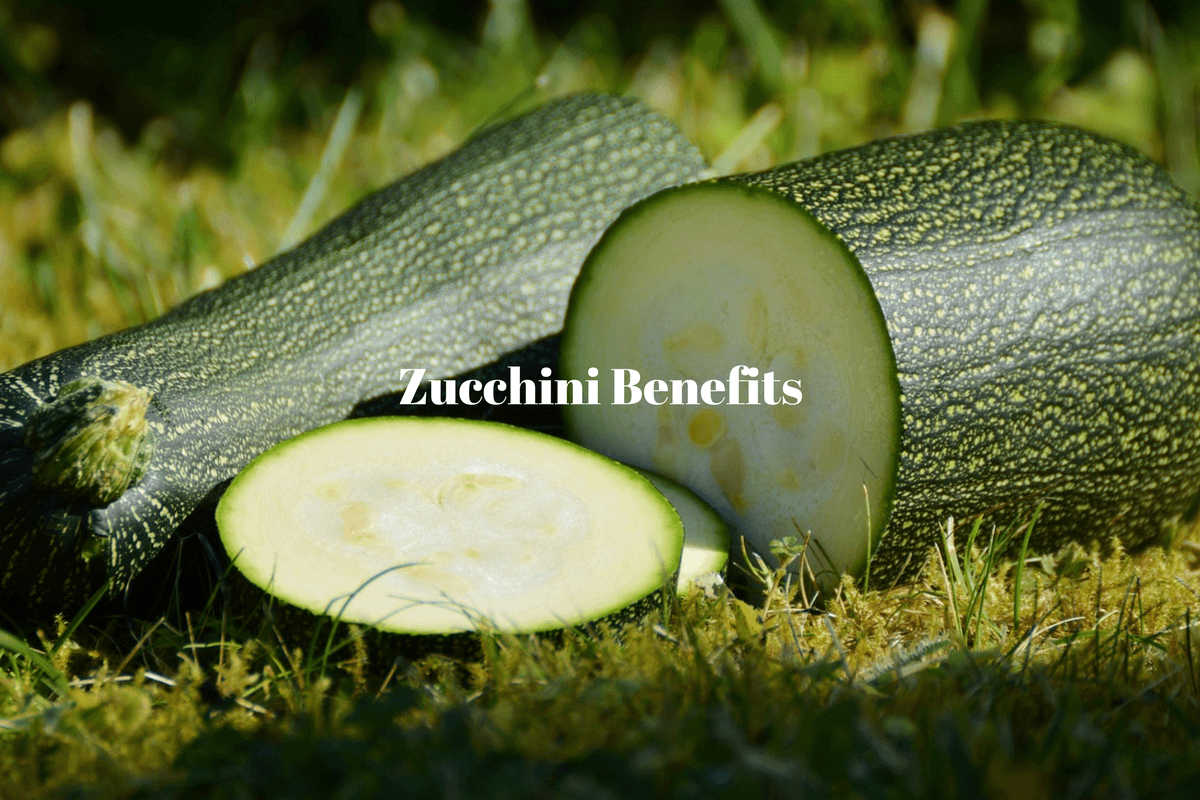

In the grand narrative of human health, where exotic superfoods often hog the spotlight and complex supplements promise miraculous transformations, there exists a quiet, unassuming hero patiently waiting in the wings. It’s a vegetable so common, so readily available, and often so understated that its profound contributions to our internal well-being are frequently overlooked. This is the story of zucchini, the humble summer squash, and its extraordinary journey from garden patch to gut guardian – a bloat-busting, digestion-soothing, microbiome-nurturing ally that deserves far more credit than it typically receives.
Imagine, for a moment, the intricate ecosystem that is your digestive system. It’s a bustling metropolis, a complex network of organs, fluids, and trillions of microscopic inhabitants, all working in concert to extract nourishment from the world around us. When this system hums along harmoniously, we experience vitality, comfort, and mental clarity. But when it falters – when the rhythm is off, the balance disrupted, or the pathways obstructed – discomfort arises. Bloating, gas, constipation, irregular bowel movements, and a general sense of sluggishness become unwelcome residents, clouding our days and dampening our spirits. It is into this scenario that zucchini, with its mild flavor and remarkable nutritional profile, steps forward not with a shout, but with a gentle, consistent offering of restorative power.
For the knowledgeable audience, those who understand the delicate dance between diet and physiological function, the story of zucchini is not merely about a simple vegetable; it’s about the elegant interplay of fiber, hydration, micronutrients, and prebiotics, meticulously crafted by nature to support one of our body’s most vital systems. It’s a testament to the fact that sometimes, the most profound solutions lie not in the esoteric, but in the accessible and the everyday.
The Humble Zucchini: A Legacy of Quiet Strength
Botanically classified as Cucurbita pepo, zucchini is a member of the gourd family, alongside cucumbers, melons, and other squashes. Its origins trace back to the Americas, where various forms of squash have been cultivated for thousands of years. The specific cultivar we recognize as zucchini, however, was developed in Italy in the late 19th century, earning its name from the Italian "zucchino," meaning "small squash." From Italy, it spread across the globe, becoming a staple in cuisines from the Mediterranean to the Americas, cherished for its versatility and mild flavor that readily absorbs the nuances of accompanying ingredients.
Often dismissed as merely a filler vegetable due to its high water content, zucchini’s true strength lies precisely in this composition. On the surface, it appears unassuming: low in calories, almost neutral in taste, and remarkably simple. Yet, beneath its smooth, often vibrant green or yellow skin lies a treasure trove of compounds meticulously arranged to support digestive harmony. It’s not a flashy performer, but rather a consistent, reliable workhorse, providing the fundamental building blocks for a healthy gut environment.
The Core Mechanism: Fiber – The Gut’s Unsung Architect
At the heart of zucchini’s digestive prowess is its fiber content, a critical dietary component often lacking in modern diets. Fiber, for the uninitiated, is the indigestible part of plant foods that plays a pivotal role in maintaining the structural integrity and functional efficiency of the gastrointestinal tract. Zucchini, remarkably, offers a balanced blend of both soluble and insoluble fiber, working in concert to orchestrate a symphony of digestive benefits.
Insoluble Fiber: The Gentle Scrubber and Accelerator
Imagine insoluble fiber as the conscientious cleaner and traffic controller of your digestive system. Found predominantly in the skin and seeds of zucchini, this type of fiber does not dissolve in water. Instead, it acts like a natural bulking agent, adding mass to stool. This increased bulk stimulates the muscular contractions of the intestinal walls – a process known as peristalsis – which propels food and waste efficiently through the colon.
For those plagued by the sluggishness of constipation, insoluble fiber is a true hero. It prevents stool from becoming too hard and dry, making bowel movements easier and more regular. Think of it as a natural scrub brush, gently sweeping waste products and toxins out of the colon, thereby reducing the transit time of food and minimizing the potential for harmful substances to linger and irritate the gut lining. This mechanical action is fundamental to preventing stagnation, a common precursor to bloating and discomfort. By ensuring a swift and smooth passage, zucchini’s insoluble fiber helps to keep the digestive pipeline clear and flowing, significantly reducing the likelihood of abdominal distension and the heavy, uncomfortable sensation associated with delayed elimination.
Soluble Fiber: The Soothing Gel and Prebiotic Nurturer
While insoluble fiber acts as the structural engineer, soluble fiber takes on the role of the master hydrator and nurturer. As its name suggests, soluble fiber dissolves in water, forming a gel-like substance in the digestive tract. This gel has several profound implications for gut health.
Firstly, it slows down the rate at which food passes through the stomach and small intestine. This controlled pace allows for a more gradual absorption of nutrients, preventing sharp spikes in blood sugar levels – a benefit that extends beyond digestion to metabolic health. More importantly for digestion, this gel provides a soothing effect on the gut lining, which can be particularly beneficial for individuals with sensitive digestive systems.
Secondly, and perhaps most critically for gut health, soluble fiber is a potent prebiotic. Unlike insoluble fiber, which largely passes through unchanged, soluble fiber becomes a primary food source for the beneficial bacteria residing in your colon – your gut microbiome. These friendly microbes ferment the soluble fiber, producing an array of beneficial compounds known as Short-Chain Fatty Acids (SCFAs), such as butyrate, acetate, and propionate. Butyrate, in particular, is a powerhouse, serving as the primary fuel source for the cells lining the colon (colonocytes), thereby strengthening the gut barrier and reducing inflammation.
By nurturing these beneficial bacteria, zucchini’s soluble fiber helps to foster a diverse and robust microbiome, which is the cornerstone of digestive health. A healthy microbiome is crucial for nutrient synthesis, immune system modulation, and even the production of neurotransmitters that influence mood and cognition. In essence, zucchini doesn’t just pass through; it actively cultivates a thriving internal garden, laying the foundation for systemic well-being.
The synergistic action of both fiber types in zucchini is what makes it so effective. The insoluble fiber ensures regularity and efficient waste removal, preventing the build-up that leads to bloating and discomfort. The soluble fiber, meanwhile, soothes, nourishes, and supports the microscopic inhabitants that govern much of our digestive and overall health. Together, they form an formidable team against digestive woes.
Hydration: The River of Life for Your Gut
Beyond fiber, zucchini boasts an astonishingly high water content, typically around 95%. This seemingly simple fact is, in reality, a monumental advantage for digestive health, often underestimated in its importance. Water is the solvent of life, and in the digestive system, it plays a role as critical as fiber itself.
Imagine your digestive tract as a long river. Without sufficient water, the river becomes sluggish, its currents weak, and its banks dry. Waste products accumulate, and the flow of nutrients and signals slows to a crawl. Dehydration is a leading cause of constipation, as the body will draw water from the stool to meet its systemic needs, leading to hard, difficult-to-pass bowel movements.
Zucchini acts as a natural, edible source of hydration, helping to maintain optimal fluid balance within the digestive system. This high water content directly contributes to softer, more pliable stool, making it easier to pass and preventing straining. It also aids in the efficient transport of nutrients and waste products throughout the GI tract, ensuring that everything moves along smoothly and without impediment.
Furthermore, adequate hydration is essential for the proper functioning of digestive enzymes and the production of mucus, which lubricates the gut lining and protects it from potential irritants. When the gut is well-hydrated, the entire digestive process – from the initial breakdown of food in the stomach to the final elimination – operates with greater ease and efficiency. Zucchini, by delivering a significant fluid payload, ensures that the "river" of your digestion remains robust and free-flowing, directly combating the causes of bloating and discomfort rooted in sluggish transit and dehydrated waste.
Micronutrients and Antioxidants: The Gut’s Specialized Support Crew
While fiber and water are the foundational pillars of zucchini’s digestive benefits, its rich array of vitamins, minerals, and antioxidants provide a specialized support crew that further enhances gut health and overall well-being. These compounds don’t just pass through; they actively participate in cellular repair, inflammation reduction, and metabolic processes crucial for a resilient digestive system.
Vitamin C: The Collagen Builder and Immune Defender
Zucchini is a good source of Vitamin C, a powerful antioxidant that plays a multifaceted role in gut health. As an antioxidant, Vitamin C combats oxidative stress, which can damage gut lining cells and contribute to inflammation. More directly, Vitamin C is essential for the synthesis of collagen, a structural protein vital for maintaining the integrity of the gut lining. A strong, intact gut barrier is crucial for preventing "leaky gut" syndrome, where undigested food particles and toxins can escape into the bloodstream, triggering systemic inflammation and immune responses. By supporting collagen production, zucchini indirectly helps to fortify this critical barrier. Furthermore, Vitamin C boosts the immune system, which is intrinsically linked to gut health, as a significant portion of our immune cells reside in the gut-associated lymphoid tissue (GALT).
B Vitamins: The Energetic Messengers
Zucchini contains several B vitamins, including Vitamin B6 (pyridoxine) and folate. These vitamins are crucial co-factors in numerous metabolic processes, including energy production and nerve function. The gut-brain axis, the bidirectional communication highway between the gut and the brain, relies on efficient nerve signaling. B vitamins contribute to the health of the nervous system, indirectly supporting the intricate neural network that controls gut motility, secretion, and sensation. Folate is also essential for cell division and repair, ensuring the constant renewal of gut lining cells.
Potassium and Magnesium: The Electrolyte Balancers and Muscle Relaxers
These two minerals are vital electrolytes that play critical roles in muscle function and nerve transmission. The smooth muscles of the gastrointestinal tract, responsible for peristalsis, require a delicate balance of electrolytes to contract and relax effectively. Potassium helps maintain this balance, ensuring consistent bowel movements. Magnesium, often called "nature’s relaxant," is particularly beneficial for gut health. It helps relax the smooth muscles of the digestive tract, which can alleviate cramps and spasticity. For those prone to constipation, magnesium has a mild laxative effect by drawing water into the intestines, further softening stool. Zucchini provides a notable contribution of both, aiding in the smooth, uninhibited functioning of the gut’s muscular machinery.
Antioxidants and Phytonutrients: The Protective Shield
Beyond the well-known vitamins and minerals, zucchini is rich in a spectrum of phytonutrients, including carotenoids like lutein, zeaxanthin, and beta-carotene (especially in yellow varieties and the skin), as well as various flavonoids. These compounds are potent antioxidants that scavenge free radicals, protecting cells from damage and reducing inflammation throughout the body, including the gut. Chronic low-grade inflammation in the gut is a major contributor to conditions like IBS, IBD, and general digestive discomfort. By providing a consistent supply of these anti-inflammatory agents, zucchini helps to soothe the gut, foster healing, and create an environment less prone to irritation and disease. These micronutrients, working in concert, transform zucchini from a simple vegetable into a sophisticated internal support system, meticulously designed to maintain the integrity and resilience of the digestive system.
The Gut Microbiome: Zucchini’s Role as a Thoughtful Gardener
The concept of the gut microbiome – the trillions of bacteria, fungi, viruses, and other microorganisms residing within our intestines – has revolutionized our understanding of health. This complex ecosystem, often referred to as our "second brain," profoundly influences digestion, immunity, metabolism, and even mental health. When this delicate balance is disrupted, a state known as dysbiosis, the consequences can be far-reaching, manifesting as digestive issues, chronic inflammation, and systemic illness. Here, zucchini steps in as a thoughtful gardener, providing the ideal nourishment to cultivate a flourishing internal landscape.
As we’ve discussed, zucchini’s soluble fiber acts as a potent prebiotic. Unlike antibiotics that indiscriminately kill bacteria, prebiotics selectively feed the beneficial microorganisms, allowing them to thrive and outcompete potentially harmful pathogens. When the beneficial bacteria, such as Bifidobacteria and Lactobacillus species, ferment the soluble fiber from zucchini, they produce the aforementioned Short-Chain Fatty Acids (SCFAs).
These SCFAs are not mere waste products; they are vital signaling molecules with profound effects on gut and systemic health. Butyrate, in particular, is a hero SCFA. It is the preferred energy source for colonocytes (the cells lining the colon), promoting their growth and repair, thereby strengthening the gut barrier. A robust gut barrier is essential for preventing the leakage of toxins and undigested food particles into the bloodstream, a phenomenon associated with widespread inflammation and autoimmune conditions. Butyrate also exhibits potent anti-inflammatory properties, directly modulating immune responses within the gut and helping to calm an overactive immune system.
Furthermore, SCFAs play a role in regulating appetite and metabolism, and they communicate with the brain via the gut-brain axis, influencing mood and cognitive function. By consistently providing the fuel for SCFA production, zucchini helps to foster a diverse and resilient microbiome, one that is rich in beneficial bacteria capable of performing these crucial functions. This cultivation of a healthy gut environment directly translates to improved digestion, reduced bloating, enhanced nutrient absorption, and a stronger immune system. It’s a testament to how simple dietary choices can have profound, cascading effects throughout the entire body, orchestrated by the microscopic world within us.
Anti-inflammatory Properties: Soothing the Digestive Fire
Chronic inflammation is a silent epidemic, underlying many modern diseases, including those affecting the digestive system. Conditions like Irritable Bowel Syndrome (IBS), Inflammatory Bowel Disease (IBD – Crohn’s disease and ulcerative colitis), and even less severe forms of digestive discomfort often have an inflammatory component. When the gut lining is chronically inflamed, its barrier function can be compromised, leading to increased permeability and a vicious cycle of irritation.
Zucchini, through its rich profile of antioxidants (Vitamin C, carotenoids, flavonoids) and its ability to promote SCFA production (especially butyrate), acts as a natural anti-inflammatory agent for the gut. These compounds work on multiple fronts:
- Neutralizing Free Radicals: Antioxidants directly combat oxidative stress, which is a key driver of inflammation at the cellular level. By quenching reactive oxygen species, they protect the delicate cells of the gut lining from damage.
- Modulating Immune Response: SCFAs, particularly butyrate, have been shown to modulate the immune system, shifting it away from pro-inflammatory states towards more regulatory and anti-inflammatory responses. This is crucial for calming an overactive immune system in the gut.
- Strengthening Gut Barrier: By nourishing colonocytes and promoting collagen synthesis (via Vitamin C), zucchini indirectly strengthens the gut barrier. A strong barrier prevents inflammatory triggers from entering the bloodstream, thereby reducing systemic inflammation.
The cumulative effect of these actions is a gut environment that is calmer, less irritated, and more capable of healing and performing its functions optimally. For individuals who frequently experience the discomfort of gut inflammation, whether it manifests as bloating, pain, or irregular bowel movements, zucchini offers a gentle yet effective way to help soothe the "digestive fire" and restore a sense of comfort and balance. It’s a testament to the power of whole foods in providing holistic relief.
Zucchini in Practice: Incorporating Our Bloat-Busting Ally
The beauty of zucchini lies not only in its robust nutritional profile but also in its incredible culinary versatility. This makes it an effortless addition to almost any diet, allowing individuals to reap its digestive benefits without feeling like they are making a sacrifice. For the knowledgeable cook and health enthusiast, integrating zucchini becomes a creative exploration rather than a chore.
Its mild flavor profile means it readily absorbs the tastes of companion ingredients, making it suitable for a vast array of dishes, both savory and surprisingly, sweet.
Simple Preparations for Maximum Benefit:
- Raw and Refreshing: Thinly sliced or spiralized zucchini (zoodles) can be added to salads, providing crunch, hydration, and fiber without heavy cooking. A light dressing of lemon juice and olive oil keeps it digestive-friendly.
- Gently Cooked: Steaming, grilling, or sautéing zucchini briefly helps to soften its fibers, making it potentially easier to digest for those with sensitive guts, while retaining most of its nutrients.
- Stir-fries: Cubed zucchini adds bulk and nutrients to any vegetable stir-fry.
- Soups and Stews: It melts beautifully into broths, adding a creamy texture and nutrient boost.
- Roasted: Tossed with herbs and a drizzle of olive oil, roasted zucchini caramelizes slightly, offering a delicious side dish.
- Hidden Hero: Grated zucchini can be seamlessly incorporated into a multitude of dishes:
- Baked Goods: Muffins, breads, and even brownies can benefit from the moisture and fiber of grated zucchini, often going undetected by picky eaters.
- Frittatas and Omelets: A fantastic way to add vegetables to breakfast or brunch.
- Sauces: Grated into pasta sauces or pureed into vegetable dips, it enhances nutritional value without altering flavor significantly.
Considerations for Sensitive Guts:
While zucchini is generally well-tolerated, individuals with highly sensitive digestive systems, particularly those with IBS, might benefit from certain preparation methods. Cooking zucchini can break down some of its tougher fibers, making it easier to digest. The skin, where much of the insoluble fiber resides, is usually best kept on for maximum nutrient density, but some individuals might find peeling it beneficial if they experience discomfort. Green zucchini is typically lower in FODMAPs (fermentable oligosaccharides, disaccharides, monosaccharides, and polyols) than yellow zucchini, making it a safer choice for those following a low-FODMAP diet. As with any fiber-rich food, gradual introduction is key to allow the gut microbiome to adapt, preventing temporary gas or bloating.
Pairing for Power:
Zucchini pairs beautifully with other gut-friendly ingredients:
- Probiotic Foods: Combine zucchini dishes with fermented foods like yogurt, sauerkraut, or kimchi to create a synergistic effect, providing both prebiotics (from zucchini) and probiotics.
- Healthy Fats: Olive oil or avocado oil aid in the absorption of fat-soluble vitamins (like Vitamin K and carotenoids) found in zucchini.
- Lean Proteins: Pairing zucchini with lean proteins ensures a balanced meal that supports satiety and overall metabolic health.
By embracing zucchini’s adaptability, we can effortlessly weave its bloat-busting, gut-nurturing benefits into our daily culinary repertoire, transforming it from an overlooked garden vegetable into a celebrated staple of a healthy, happy digestive system.
Addressing Specific Digestive Issues: Zucchini as a Problem-Solver
The multifaceted benefits of zucchini make it a versatile tool in addressing a range of common digestive complaints. It’s not a magic bullet, but a consistent ally that works with the body’s natural processes to restore balance and comfort.
Constipation: This is perhaps where zucchini shines brightest. The dual action of its insoluble fiber (adding bulk and speeding transit) and its high water content (softening stool) makes it an excellent natural remedy for promoting regularity. Regular consumption helps to maintain a consistent bowel rhythm, preventing the discomfort, sluggishness, and bloating associated with infrequent elimination.
Bloating & Gas: While fiber can sometimes cause initial gas as the microbiome adjusts, zucchini’s balanced fiber profile, coupled with its hydrating properties, generally works to reduce bloating and excessive gas. By ensuring efficient waste removal and preventing fermentation of stagnant material in the colon, it addresses the root causes of these uncomfortable symptoms. For those sensitive to fiber, starting with cooked zucchini in smaller portions and gradually increasing intake can help the gut adapt.
Irritable Bowel Syndrome (IBS): IBS is a complex condition, and dietary triggers vary widely among individuals. However, for many with IBS, especially those prone to constipation-predominant IBS (IBS-C), zucchini can be a beneficial food. Its moderate fiber content and high water content can aid regularity without being overly aggressive. As noted, green zucchini is generally considered low-FODMAP in moderate servings (e.g., ½ cup), making it a suitable option for those managing IBS symptoms through a low-FODMAP diet. The anti-inflammatory properties and gut-barrier support also contribute to overall gut comfort for IBS sufferers.
Gut Barrier Integrity: The integrity of the intestinal lining is paramount for overall health. A compromised barrier ("leaky gut") allows toxins and undigested food particles to enter the bloodstream, triggering inflammation. Zucchini supports gut barrier function through several mechanisms:
- SCFAs: The butyrate produced from zucchini’s soluble fiber is vital fuel for colonocytes, strengthening the tight junctions between these cells.
- Vitamin C: Essential for collagen synthesis, which forms the structural framework of the gut lining.
- Antioxidants: Reduce oxidative stress that can damage gut lining cells.
By fortifying this crucial barrier, zucchini helps to reduce systemic inflammation and protect against a cascade of health issues originating from a compromised gut.
Mild Diarrhea: While typically associated with constipation relief, zucchini’s soluble fiber can also play a role in managing mild cases of diarrhea. The gel-forming nature of soluble fiber can help to absorb excess water in the intestines, firming up stool consistency and slowing transit time. However, it’s crucial to note that for severe or chronic diarrhea, medical advice is essential, and zucchini should not be considered a primary treatment.
In essence, zucchini is not merely a bystander in the story of digestion; it actively participates as a problem-solver, offering gentle yet effective solutions that address fundamental imbalances in the gut.
The Gut-Brain Axis Connection: A Holistic Ripple Effect
The story of zucchini and digestion wouldn’t be complete without acknowledging its indirect, yet profound, influence on the gut-brain axis. This bidirectional communication system links the central nervous system with the enteric nervous system (the "brain in the gut"), connecting emotional and cognitive centers of the brain with peripheral intestinal functions. What happens in your gut directly impacts your brain, and vice-versa.
A healthy, well-functioning gut, nurtured by foods like zucchini, sends positive signals to the brain. Here’s how zucchini’s benefits ripple outwards to impact mental and emotional well-being:
- Neurotransmitter Production: A significant portion of the body’s serotonin, a key neurotransmitter regulating mood, sleep, and appetite, is produced in the gut. A diverse and balanced microbiome, supported by zucchini’s prebiotics, is essential for this production. SCFAs also influence the production of other neurotransmitters.
- Reduced Inflammation: Chronic gut inflammation can trigger systemic inflammation, which is increasingly linked to mood disorders like depression and anxiety. By reducing gut inflammation through its antioxidants and SCFA production, zucchini contributes to a calmer internal environment, potentially alleviating mental distress.
- Stress Response: A healthy gut can modulate the body’s stress response. Dysbiosis and gut irritation can heighten stress reactivity, while a balanced microbiome can help temper it. Zucchini’s role in maintaining gut equilibrium indirectly supports a more resilient response to stress.
- Nutrient Absorption: By optimizing digestion and nutrient absorption, zucchini ensures the brain receives the vital building blocks it needs for optimal function, including amino acids, vitamins, and minerals that are precursors to neurotransmitters.
The simple act of incorporating zucchini into your diet therefore extends its benefits far beyond the confines of the digestive tract. It contributes to a more harmonious gut-brain dialogue, fostering not just physical comfort but also mental clarity, emotional stability, and an overall sense of well-being. It’s a powerful reminder that nourishing our bodies with whole, natural foods is a holistic endeavor, with every bite contributing to the intricate tapestry of our health.
Conclusion: Zucchini – The Quiet Champion of Gut Health
The journey through the world of zucchini and its impact on digestion and gut health reveals a compelling narrative of quiet strength and profound efficacy. Far from being a mere culinary placeholder, this unassuming summer squash emerges as a true champion, meticulously equipped by nature to combat digestive woes and cultivate a thriving internal ecosystem.
We’ve seen how its balanced blend of soluble and insoluble fibers acts as both the diligent cleaner and the thoughtful gardener, ensuring smooth transit, preventing stagnation, and nourishing the beneficial bacteria that form the cornerstone of our gut microbiome. We’ve explored the critical role of its abundant water content, which acts as the lifeblood of digestion, maintaining optimal fluidity and preventing the discomfort of dehydration. And we’ve delved into the specialized support crew of vitamins, minerals, and antioxidants, which fortify the gut barrier, reduce inflammation, and protect our cells from oxidative stress.
From busting bloat and easing constipation to nurturing a diverse microbiome and even influencing our mental well-being via the gut-brain axis, zucchini’s contributions are extensive and interconnected. It embodies the principle that sometimes the most powerful remedies are found not in exotic extracts or complex pharmaceuticals, but in the accessible, wholesome foods that have nourished humanity for centuries.
In a world increasingly seeking complex solutions for fundamental problems, the story of zucchini serves as a refreshing reminder: true digestive harmony often begins with simplicity. By embracing this versatile, nutrient-dense squash, we empower our bodies with a natural, gentle, and incredibly effective ally, transforming our digestive discomfort into comfort, and our sluggishness into vitality. Let the quiet champion of the garden take its rightful place on your plate, and experience the bloat-busting, gut-healing magic of zucchini. It’s a story of health, comfort, and the enduring power of nature, waiting to unfold within you.