
In the grand tapestry of human sustenance, certain foods emerge not merely as ingredients, but as quiet revolutionaries. For those navigating the intricate pathways of a ketogenic lifestyle, the journey often begins with a quest for satiating, flavorful, and above all, low-carb options that don’t sacrifice culinary joy. Many contenders vie for the crown in this nutrient-dense kingdom: the stalwart broccoli, the versatile cauliflower, the leafy greens that underpin countless meals. Yet, amidst this esteemed court, one humble vegetable ascends with an understated elegance, proving itself not just a worthy participant, but a veritable monarch: the zucchini.
This isn’t merely a declaration; it’s an ode to a culinary chameleon, a nutritional powerhouse, and a steadfast ally in the pursuit of metabolic wellness. The story of zucchini on keto is one of discovery, transformation, and ultimately, liberation from the carb-heavy shackles of conventional cuisine. It’s a narrative that speaks to the essence of "low carb, high reward," revealing how a seemingly simple squash can unlock a universe of flavor, texture, and satisfaction, making it, without hyperbole, the undisputed King of Keto Vegetables.
The Nutritional Crown: Zucchini’s Unrivaled Profile
To understand zucchini’s regal status, one must first examine its inherent value. At its core, the ketogenic diet is about shifting the body’s primary fuel source from carbohydrates to fats, a state achieved by drastically limiting carb intake. This necessitates a vigilant eye on macronutrients, and here, zucchini shines with a brilliance few vegetables can match.
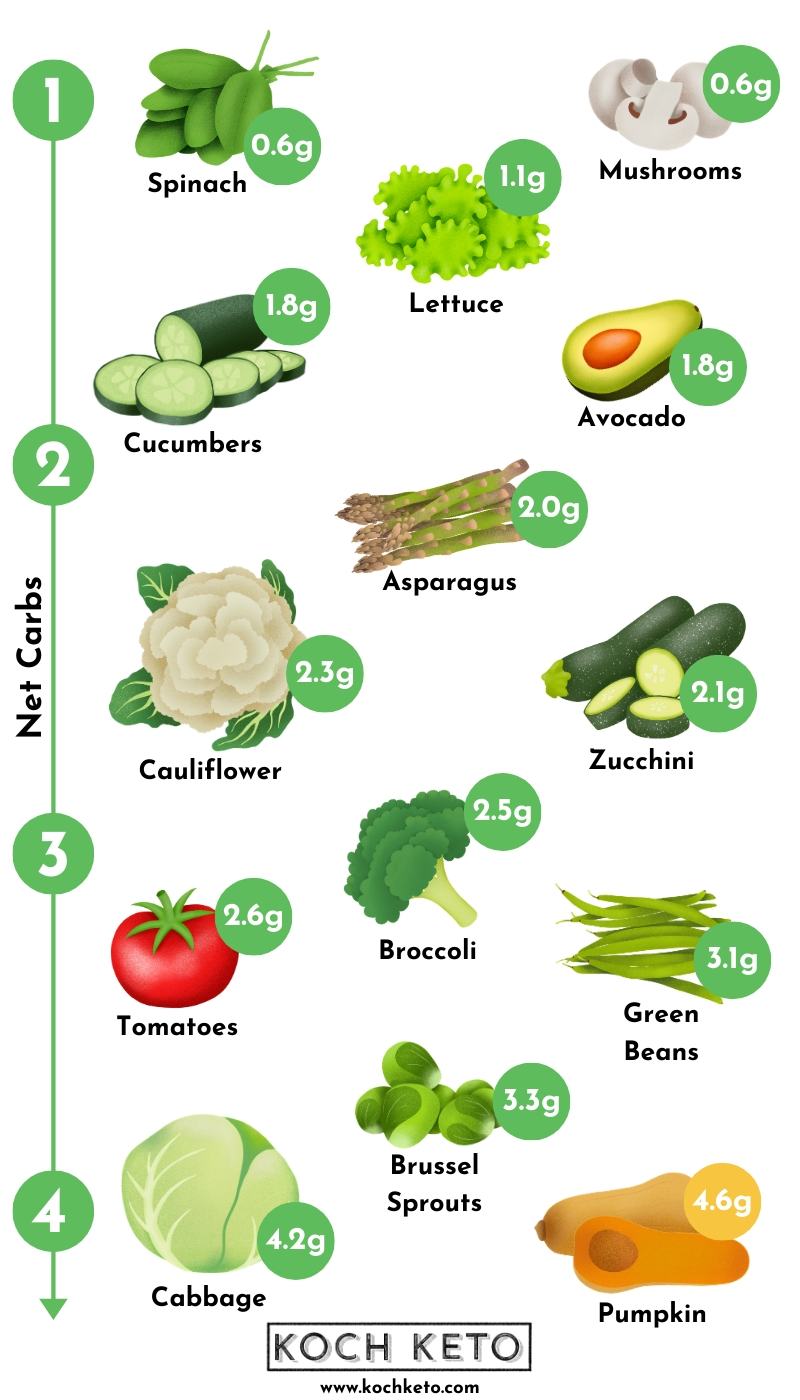
A medium zucchini (approximately 320 grams or 1.5 cups chopped) typically contains a mere 6-7 grams of total carbohydrates, with 2-3 grams of that being dietary fiber. This translates to an astonishingly low 4-5 grams of net carbs. To put this into perspective, compare it to a cup of bell peppers (around 7g net carbs), a cup of green beans (around 6g net carbs), or even a cup of broccoli florets (around 4g net carbs, but often denser). While these are all excellent keto choices, zucchini offers a larger volume for the same or even fewer net carbs, making it an incredibly filling option without pushing carb limits. This high volume-to-carb ratio is a critical factor for satiety, allowing keto dieters to enjoy generous portions without guilt or metabolic derailment.
But zucchini’s nutritional prowess extends far beyond its favorable macronutrient profile. It’s a treasure trove of micronutrients, often overlooked in the carb-counting frenzy. It’s an excellent source of Vitamin C, a powerful antioxidant vital for immune function, skin health, and collagen synthesis. A single serving can provide a significant portion of the daily recommended intake. Beyond Vitamin C, zucchini also delivers a healthy dose of Vitamin B6, crucial for brain development and function, and manganese, an essential trace mineral involved in bone health, metabolism, and antioxidant defense.
Furthermore, zucchini is rich in potassium, an electrolyte often depleted on a ketogenic diet, which can lead to the dreaded "keto flu." Adequate potassium intake helps maintain fluid balance, nerve signals, and muscle contractions. The presence of other beneficial compounds like lutein and zeaxanthin, carotenoids known for their eye health benefits, and a variety of polyphenols, further elevates zucchini’s nutritional standing, contributing to its anti-inflammatory and antioxidant properties.
Perhaps one of zucchini’s most understated yet significant contributions is its remarkable water content. Comprising over 90% water, it serves as an exceptional hydrator. In a diet where water intake is paramount for electrolyte balance and overall well-being, zucchini acts as a delicious, edible supplement to your daily fluid requirements. This high water content also contributes to its incredibly low caloric density – a medium zucchini boasts only about 50-60 calories, making it a dieter’s dream for feeling full without consuming excessive energy.
In essence, zucchini doesn’t just fit into the keto framework; it thrives within it, offering a nutrient-dense, carb-sparse, and hydrating foundation upon which countless delicious meals can be built. Its crown is not merely ornamental; it’s forged from a profile that supports metabolic health, satiety, and micronutrient replenishment.
A Culinary Kingdom: Zucchini’s Reign of Versatility
If its nutritional profile secures its place on the throne, then zucchini’s unparalleled culinary versatility solidifies its reign. This is where the "high reward" truly manifests. The greatest challenge for many on a ketogenic diet isn’t just adhering to carb limits, but combating monotony. The craving for textures, flavors, and forms often associated with high-carb foods—pasta, rice, bread, potatoes—can be intense. Zucchini, with its mild flavor and adaptable texture, steps into this void with the grace of a seasoned performer, offering convincing stand-ins that not only satisfy cravings but often surpass the originals in their freshness and nutritional value.
Let us explore the boundless landscape of zucchini’s culinary kingdom:
1. The Pasta Imposter: Zoodles, Lasagna, and Beyond
This is perhaps zucchini’s most celebrated role. The spiralizer, once a niche kitchen gadget, has become a keto essential thanks to the rise of "zoodles" – zucchini noodles. These delicate strands, whether raw, lightly sautéed, or blanched, are a revelation. They provide the familiar twirl and mouthfeel of pasta, serving as a perfect vehicle for rich keto sauces like Alfredo, Bolognese, pesto, or a simple garlic butter. The beauty of zoodles lies in their ability to absorb flavors without overpowering them, offering a lighter, fresher alternative that leaves you feeling energized, not heavy.
Beyond noodles, zucchini can be sliced thinly lengthwise to create pliable "sheets" for keto lasagna. Layered with ricotta, mozzarella, ground meat, and marinara, these zucchini sheets bake beautifully, offering a hearty, comforting dish indistinguishable from its carb-laden counterpart. For a quicker fix, large zucchini can be hollowed out and stuffed with a savory mixture of meat, cheese, and herbs, then baked until tender – a complete, satisfying meal in a convenient edible boat.
2. The Baked & Roasted Virtuoso: Fries, Chips, and Gratins
When roasted or baked, zucchini undergoes a magical transformation. Its inherent water content evaporates, concentrating its subtle sweetness and creating delightful textures.
- Zucchini Fries: Sliced into fry-like sticks, tossed with olive oil and spices (paprika, garlic powder, salt, pepper), and baked until golden and slightly crispy, these are an excellent low-carb alternative to potato fries. A sprinkle of Parmesan cheese towards the end elevates them further.
- Zucchini Chips: Mandoline-sliced super thin, seasoned, and baked at a low temperature, zucchini chips become wonderfully crisp, offering a guilt-free crunch for snacking or as a garnish for salads and soups.
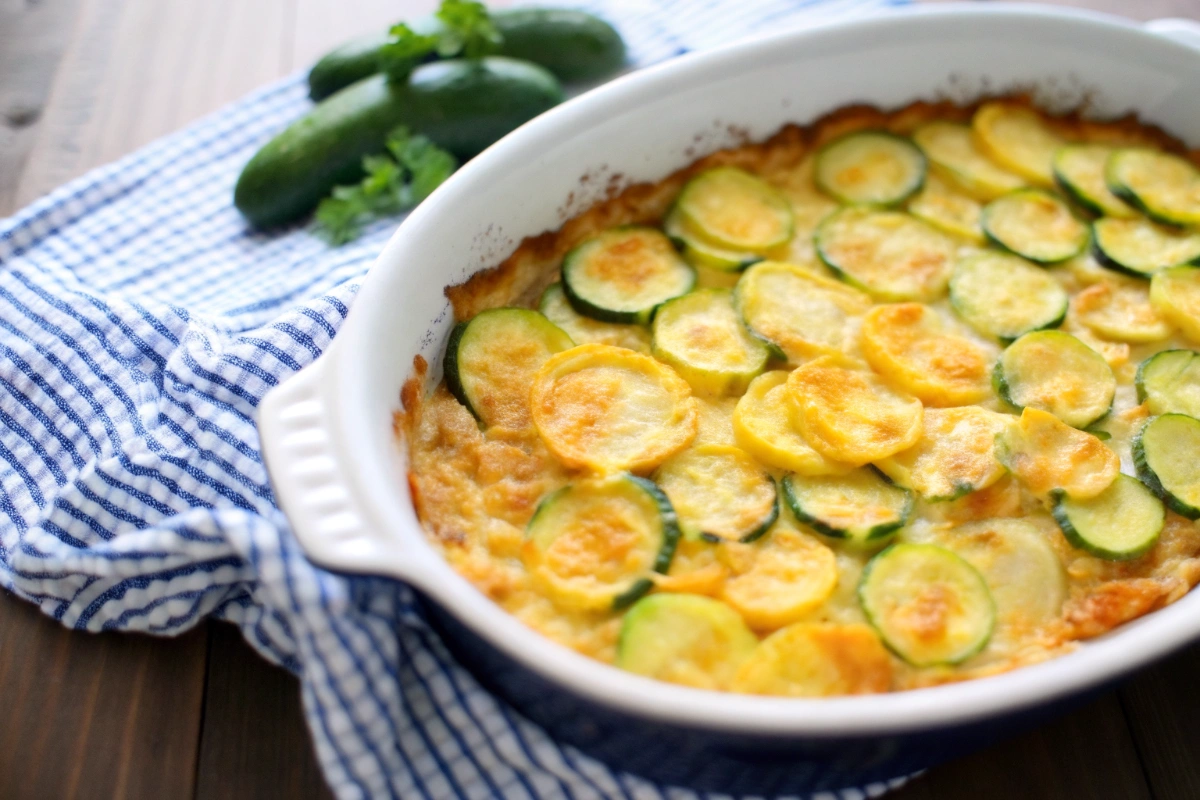
- Gratins and Casseroles: Layered with cheese, cream, and other vegetables, baked zucchini creates luxurious gratins. Its ability to soften without becoming mushy makes it an ideal component for comforting, cheesy casseroles that warm the soul.
3. The Sautéed & Stir-Fried Star: Quick Meals and Flavor Absorption
For weeknight dinners, zucchini is an unparalleled hero. Diced, sliced, or cut into half-moons, it cooks quickly in a hot pan, absorbing the flavors of garlic, onions, herbs, and spices. It’s a staple in stir-fries, adding bulk and nutrition without carbs, pairing beautifully with chicken, beef, shrimp, or tofu. Its mildness allows it to complement bold Asian flavors, spicy Mexican profiles, or rustic Mediterranean herbs with equal grace. A simple sauté with butter, salt, and pepper can be a delicious side dish in minutes.
4. The Hidden Gem: Shredded & Mashed Applications
Zucchini’s ability to be shredded and incorporated invisibly into dishes is a testament to its stealthy power.
- Fritters: Grated zucchini mixed with egg, almond flour, and cheese, then pan-fried, creates savory fritters that are crisp on the outside and tender within.
- Keto "Ricotta": A surprising application involves blending cooked zucchini with a touch of cream cheese, Parmesan, and herbs to create a creamy, low-carb "ricotta" substitute for stuffed shells or lasagna.
- Breads and Muffins (Yes, Sweet Keto Treats!): While often associated with savory dishes, shredded zucchini is a foundational ingredient in many keto-friendly baked goods. It adds moisture and tenderness to almond flour or coconut flour breads, muffins, and even brownies, without imparting a strong flavor. This allows for delightful keto zucchini bread, spiced with cinnamon and nutmeg, providing a comforting, nostalgic treat without the carb load. It’s a testament to zucchini’s versatility that it can bridge the gap between savory and sweet in the keto kitchen.
- Soups and Smoothies: When blended, zucchini adds creaminess and thickness to soups without heavy cream, or a boost of nutrients to green smoothies without altering the flavor profile significantly.
5. The Raw Revelation: Salads and Carpaccio
Don’t overlook zucchini’s charms in its raw state. Thinly sliced with a mandoline, it can form delicate carpaccio, dressed with lemon, olive oil, and Parmesan. Julienne strips add a refreshing crunch to salads, absorbing vinaigrettes beautifully. Its crisp texture and mild taste make it a delightful addition to summer salads, offering a refreshing counterpoint to richer proteins and fats.
This expansive culinary range is not just about substitution; it’s about enhancement. Zucchini doesn’t just replace; it elevates. It brings a freshness, a lightness, and a clean taste that often improves upon the dishes it mimics. This chameleon-like quality means that "zucchini fatigue" is a rare phenomenon for those who truly explore its potential. It prevents the diet from feeling restrictive, instead opening up a world of possibilities that keep the keto journey exciting and delicious.
Beyond Keto: The Health Treasury of Zucchini
While its keto compatibility is paramount, zucchini’s benefits extend far beyond carb restriction. Its nutritional composition makes it a significant contributor to overall health, regardless of dietary approach.
- Digestive Health: The ample fiber in zucchini, particularly its soluble fiber content, plays a crucial role in digestive wellness. It aids in promoting regular bowel movements, preventing constipation, and feeding beneficial gut bacteria, contributing to a healthy microbiome.
- Heart Health: Zucchini is a heart-friendly vegetable. Its potassium content helps regulate blood pressure by counteracting the effects of sodium. The fiber also contributes to lowering cholesterol levels, while its anti-inflammatory properties can protect blood vessels.
- Antioxidant Powerhouse: The presence of various antioxidants, including Vitamin C, beta-carotene, lutein, and zeaxanthin, helps combat oxidative stress in the body. Oxidative stress is implicated in chronic diseases, aging, and inflammation. By neutralizing free radicals, zucchini contributes to cellular protection and overall disease prevention.
- Anti-inflammatory Properties: Beyond general antioxidant effects, specific compounds in zucchini, such as cucurbitacins and other phytonutrients, have demonstrated anti-inflammatory properties, which can be beneficial in managing conditions characterized by chronic inflammation.
- Weight Management (beyond Keto): Its high water content, low calorie count, and significant fiber make zucchini an excellent food for anyone aiming for weight management. It fills you up without filling you out, promoting satiety and reducing overall caloric intake.
- Blood Sugar Regulation: For individuals with insulin resistance or diabetes, zucchini’s very low glycemic index and high fiber content help stabilize blood sugar levels, preventing the sharp spikes and crashes associated with high-carb foods. This makes it a valuable food even for those not strictly adhering to keto but seeking better metabolic control.
By embracing zucchini, you’re not just adhering to a dietary plan; you’re investing in a holistic approach to health that reaps rewards far beyond the scale or the glucose meter.
The Practical Reign: From Garden to Table
Zucchini’s accessibility and ease of use further solidify its royal standing. It’s a vegetable for everyone, from the novice cook to the seasoned chef, from the budget-conscious shopper to the home gardener.
Selecting and Storing:
When selecting zucchini, look for firm, glossy skin without blemishes or soft spots. Smaller to medium-sized zucchini (6-8 inches) are generally preferred as larger ones can be watery and seedy. Store zucchini unwashed in a plastic bag in the refrigerator’s crisper drawer, where it will last for up to a week. For longer storage, zucchini can be shredded, blanched, and frozen, or even spiralized and frozen, making it ready for future use in soups, stews, or baked goods.
Growing Your Own:
For the green-thumbed keto enthusiast, growing zucchini is an incredibly rewarding experience. Zucchini plants are famously prolific, often yielding an abundance of fruit throughout the growing season. This ease of cultivation means a continuous, inexpensive supply of fresh, organic zucchini right from your backyard, allowing for maximum experimentation and enjoyment without breaking the bank. Many a gardener has faced the "zucchini dilemma" – what to do with the overwhelming bounty – a testament to its generous nature. For the keto dieter, this "dilemma" becomes a joyous opportunity to explore every facet of its culinary kingdom.
Cost-Effectiveness:
Compared to many other specialty keto ingredients, zucchini is remarkably affordable, especially during peak season. This makes it a sustainable choice for long-term adherence to a ketogenic lifestyle, allowing for delicious and varied meals without a prohibitive cost barrier. Its widespread availability in supermarkets year-round also ensures it’s always within reach.
The Court of Keto Vegetables: Why Zucchini is King
While the keto diet boasts a rich array of excellent vegetable options, zucchini possesses a unique confluence of attributes that elevates it to kingship. Let’s briefly compare it to some other noble members of the keto court:
- Cauliflower (The Queen of Keto): Cauliflower is undeniably a powerhouse, a masterful shapeshifter that can become rice, mash, pizza crust, or even steak. Its low carb count and versatility are legendary. However, cauliflower has a distinct, often slightly sulfuric flavor that, while delicious, can be overwhelming in some applications. Zucchini’s milder flavor allows it to disappear into dishes or take on other flavors more readily, making it a more universal base.
- Broccoli (The Stalwart Knight): Broccoli is a nutritional giant, packed with vitamins, minerals, and potent anti-cancer compounds. It’s a fantastic side dish, roasted or steamed. But its texture and strong flavor limit its chameleon-like abilities compared to zucchini. It’s not going to become "broccoli noodles" or seamlessly blend into a sweet bread.
- Spinach & Kale (The Leafy Green Sages): These greens are essential for their nutrient density and fiber. They cook down significantly, offering a lot of nutrition for few carbs. However, they don’t offer the bulk, structural integrity, or textural variety that zucchini does. You can’t make "spinach fries" or "kale lasagna sheets."
- Avocado (The Royal Advisor – a Fruit!): While often grouped with vegetables in keto discussions, avocado is technically a fruit. It’s a king in its own right for healthy fats and potassium, but it serves a very different purpose. It’s not a volume vegetable substitute for carbs.
Zucchini doesn’t seek to dethrone these noble vegetables; rather, it complements them. Its unique combination of extreme low net carbs, high water content, mild flavor, and unparalleled textural versatility allows it to fill gaps that other vegetables simply cannot. It provides the bulk and mouthfeel of starchy foods without the carbs, enabling a broader range of satisfying meals. Its adaptability across savory and even sweet applications is unmatched, making it the most dynamic player in the keto kitchen.
It’s the ultimate blank canvas, allowing the keto dieter to paint a masterpiece of flavor and satisfaction. It’s the ingredient that makes the keto journey feel less like a diet and more like a culinary adventure.
Long Live the King!
The story of zucchini is not just about a vegetable; it’s about empowerment. It’s about discovering that restrictive eating doesn’t have to mean sacrificing deliciousness or variety. For the knowledgeable keto practitioner, who understands the nuances of macronutrients and the importance of micronutrients, zucchini stands as a testament to intelligent eating.
From its humble beginnings as a garden squash to its exalted status on the keto plate, zucchini proves time and again that true reward doesn’t come from deprivation, but from smart, flavorful choices. It offers the crispness of a fresh salad, the comfort of a hearty pasta, the crunch of a savory fry, and even the indulgence of a sweet treat – all within the strictures of a low-carb, high-fat lifestyle.
So, the next time you find yourself planning your keto meals, remember the quiet revolution brought forth by this unassuming green squash. Embrace its versatility, celebrate its nutritional bounty, and allow it to transform your culinary landscape. In the kingdom of ketogenic vegetables, with its low carb count, high reward potential, and boundless applications, zucchini reigns supreme. Long live the King.