
The crisp autumn air, the vibrant hues of fall foliage, and the quintessential symbol of the season: the pumpkin. For many, it’s a decorative masterpiece, a canvas for carving ghoulish grins, or the star ingredient in pies and lattes. But once the artistic endeavor is complete, or the creamy flesh scooped out for culinary delights, what becomes of the humble seeds nestled within its cavernous interior? For generations, they were often relegated to the compost bin, an overlooked byproduct, a forgotten treasure.
Yet, this unassuming kernel, the Cucurbita pepo seed, commonly known as a pumpkin seed or pepita (when shelled), is far more than mere fibrous refuse. It represents a culinary Cinderella story, transforming from a discarded curiosity into a celebrated superfood. Modern nutritional science, echoing the wisdom of ancient civilizations, has peeled back the layers of this tiny seed to reveal an astonishing array of health benefits, surprising even the most knowledgeable among us. This is not just a snack; it’s a profound dietary choice, a testament to nature’s intricate design, and a journey through time and wellness.
A Journey Through Time: The Ancestral Roots of Pepitas
To truly appreciate the pumpkin seed, we must first embark on a journey back thousands of years, to the fertile lands of ancient Mesoamerica. Here, in what is now modern-day Mexico, the squash family, including pumpkins, was not merely a food source but a cornerstone of civilization, deeply intertwined with culture, spirituality, and medicine. Archaeological evidence suggests that squash seeds, remarkably similar to our modern pumpkin seeds, were consumed as early as 7,500 BCE.
For the Maya, Aztec, and other indigenous peoples, the pumpkin was a sacred plant, and its seeds were revered for their medicinal properties and nutritional density. They understood, intuitively, what modern science would later confirm: these seeds were a powerhouse. They were ground into flours, used as a thickener for stews, pressed for their oil, and consumed directly as a vital source of energy and sustenance, particularly during leaner times. Beyond their dietary role, pumpkin seeds were employed in traditional healing practices to treat a myriad of ailments, from urinary tract infections and intestinal parasites to kidney problems and skin conditions. Their inclusion in rituals and ceremonies underscored their profound importance.
As European explorers arrived in the Americas, they encountered these remarkable crops and, intrigued by their versatility and resilience, brought them back across the Atlantic. From there, pumpkins and their seeds gradually spread across the globe, adapting to new climates and becoming integrated into diverse culinary traditions. Yet, for centuries in the Western world, the seed remained largely in the shadow of its larger, more flamboyant fruit, a culinary afterthought. It is only in recent decades that a renewed appreciation, fueled by scientific inquiry and a global resurgence of interest in whole foods, has brought the pumpkin seed into the spotlight it so rightly deserves. This rediscovery is not merely a trend; it’s a reconnection to ancient wisdom, validated by contemporary understanding.
The Nutritional Symphony: Unpacking the Macro and Micronutrients
The unassuming size of a pumpkin seed belies its extraordinary nutritional density. Each tiny kernel is a meticulously packed biological marvel, a vibrant symphony of macronutrients (fats, proteins, and carbohydrates) and a rich tapestry of micronutrients (vitamins and minerals), all working in concert to support optimal health. For the discerning individual seeking to understand the "why" behind the "what," a deeper dive into its composition reveals the true extent of its prowess.
A. The Macronutrient Trio:
-
Healthy Fats: The Heart of the Matter: Pumpkin seeds are predominantly composed of healthy fats, making up approximately 45-50% of their weight. These are primarily unsaturated fats, including monounsaturated fatty acids (MUFAs) and polyunsaturated fatty acids (PUFAs). Of particular note is their content of alpha-linolenic acid (ALA), a plant-based omega-3 fatty acid. While ALA requires conversion in the body to the more active forms (EPA and DHA), it still contributes to reducing inflammation, supporting cardiovascular health, and promoting brain function. These fats also contribute to the seeds’ satisfying texture and flavor, and act as carriers for fat-soluble vitamins.
-
Quality Protein: Building Blocks for Life: Providing roughly 25-30% of their weight as protein, pumpkin seeds are an excellent plant-based source, particularly valuable for vegetarians and vegans. While not a "complete" protein in the sense of containing all nine essential amino acids in optimal ratios for human synthesis (like animal proteins), they are rich in several crucial amino acids, including tryptophan (a precursor to serotonin and melatonin), arginine (important for nitric oxide production and circulation), and glutamic acid. This protein profile supports muscle repair and growth, enzyme production, and overall cellular function.
-
Dietary Fiber: The Gut’s Best Friend: A generous serving of pumpkin seeds offers a substantial amount of dietary fiber, both soluble and insoluble. Fiber is a cornerstone of digestive health, promoting regular bowel movements, preventing constipation, and feeding beneficial gut bacteria. Beyond the gut, soluble fiber helps regulate blood sugar levels by slowing glucose absorption and can contribute to lowering LDL ("bad") cholesterol by binding to it and facilitating its excretion.
B. The Micronutrient Marvels: A Deep Dive into Key Players:
While macronutrients provide the bulk of energy and structural components, it is the micronutrients that act as the catalysts for countless biochemical reactions, ensuring the smooth operation of every bodily system. Pumpkin seeds shine brightly in this department.
-
Magnesium: The Master Mineral: Often dubbed the "master mineral," magnesium is involved in over 300 enzymatic reactions in the body. Pumpkin seeds are one of the best dietary sources of magnesium. This critical mineral plays a pivotal role in:
- Muscle and Nerve Function: Facilitating nerve impulse transmission and muscle contraction and relaxation, preventing cramps and spasms.
- Bone Health: Contributing to bone density and structure, working in conjunction with calcium and vitamin D.
- Energy Production: Essential for ATP (adenosine triphosphate) synthesis, the body’s primary energy currency.
- Blood Sugar Control: Improving insulin sensitivity and regulating glucose metabolism.
- Blood Pressure Regulation: Helping to relax blood vessels, which can contribute to lower blood pressure.
- DNA and RNA Synthesis: Crucial for genetic material repair and production.
-
Zinc: The Immune System’s Unsung Hero: Pumpkin seeds are an exceptional source of zinc, a trace mineral vital for robust immune function. Zinc is involved in:
- Immune Cell Development: Supporting the growth and function of various immune cells, including T-cells.
- Wound Healing: Essential for skin integrity and tissue repair.
- Cell Division and Growth: Crucial for healthy growth and development throughout life.
- Sensory Functions: Playing a role in taste and smell.
- Prostate Health: Particularly relevant for men, zinc is highly concentrated in the prostate gland and plays a critical role in its function and protection against benign prostatic hyperplasia (BPH).
-
Iron: The Oxygen Carrier: While plant-based iron (non-heme iron) is less readily absorbed than animal-based iron (heme iron), pumpkin seeds still provide a valuable contribution. Iron is fundamental for:
- Oxygen Transport: A key component of hemoglobin in red blood cells, which carries oxygen from the lungs to tissues throughout the body.
- Energy Metabolism: Involved in various enzymatic reactions that produce energy.
- Immune Function: Supporting the immune system’s ability to fight off infections.
-
Manganese: Bone and Metabolism Maestro: This often-overlooked trace mineral is abundant in pumpkin seeds. Manganese is essential for:
- Bone Formation: Playing a role in bone and cartilage development.
- Antioxidant Defense: A crucial component of superoxide dismutase (SOD), one of the body’s primary antioxidant enzymes.
- Metabolism: Involved in the metabolism of carbohydrates, amino acids, and cholesterol.
-
Copper: Collagen and Iron Absorption: Copper is another vital trace mineral found in pumpkin seeds, contributing to:
- Collagen Formation: Essential for the health of connective tissues, skin, and bones.
- Iron Metabolism: Facilitating the absorption and utilization of iron.
- Energy Production: Involved in cellular respiration.
-
Phosphorus: Bone and Energy Partner: Working alongside calcium and magnesium, phosphorus is critical for:
- Bone and Teeth Health: Forming a major component of bone structure.
- Energy Storage and Transfer: A key element in ATP, the body’s energy currency.
- Cell Membrane Structure: Integral to the formation of cell membranes.
-
Vitamin K: The Clotting and Bone Vitamin: Pumpkin seeds provide a notable amount of Vitamin K, particularly K1. This fat-soluble vitamin is indispensable for:
- Blood Clotting: Essential for the synthesis of proteins involved in blood coagulation.
- Bone Health: Playing a role in bone mineralization and reducing the risk of fractures.
-
Antioxidants: The Cellular Guardians: Beyond the vitamins and minerals, pumpkin seeds are teeming with a diverse array of antioxidants, compounds that neutralize harmful free radicals and protect cells from oxidative damage. These include:
- Vitamin E: A powerful fat-soluble antioxidant that protects cell membranes.
- Carotenoids: Such as beta-carotene, lutein, and zeaxanthin, which contribute to eye health and act as antioxidants.
- Phenolic Compounds: Including various phenolic acids and flavonoids, which possess strong antioxidant and anti-inflammatory properties.
- Lignans: Phytoestrogens that have been linked to reduced risk of certain cancers and improved hormone balance.
This intricate nutritional profile makes the pumpkin seed far more than just a pleasant snack; it’s a potent functional food, offering a wide spectrum of benefits that reach into nearly every system of the body.
Beyond the Basics: Specific Health Benefits Explored
With such a rich nutritional foundation, it’s no surprise that roasted pumpkin seeds offer a multitude of specific health advantages, some of which are truly surprising in their breadth and impact. These aren’t just isolated benefits; they are interconnected pathways to holistic well-being, validated by a growing body of scientific research.
A. Cardiovascular Health: A Heart-Protective Powerhouse
The combination of healthy fats, magnesium, antioxidants, and fiber in pumpkin seeds makes them a formidable ally for heart health.
- Blood Pressure Regulation: Magnesium, as previously mentioned, helps relax blood vessels, contributing to lower blood pressure. The presence of L-arginine, an amino acid, further aids in the production of nitric oxide, which dilates blood vessels, improving blood flow.
- Cholesterol Management: The fiber in pumpkin seeds binds to cholesterol in the digestive tract, facilitating its excretion and preventing its absorption. Additionally, the phytosterols (plant compounds structurally similar to cholesterol) can help block the absorption of dietary cholesterol.
- Anti-inflammatory Effects: The omega-3 fatty acids (ALA) and a broad spectrum of antioxidants combat chronic inflammation and oxidative stress, both of which are major contributors to cardiovascular disease.
B. Prostate Health: A Male-Specific Ally
Perhaps one of the most well-researched and celebrated benefits of pumpkin seeds is their profound impact on male prostate health.
- Benign Prostatic Hyperplasia (BPH): Studies have shown that pumpkin seeds and their extracts can help alleviate symptoms of BPH, a condition characterized by an enlarged prostate that can lead to urinary problems. The high zinc content is crucial, as zinc is highly concentrated in the prostate and essential for its normal function.
- Phytosterols and Lignans: These plant compounds found in pumpkin seeds are thought to play a role in reducing prostate enlargement by inhibiting the conversion of testosterone to dihydrotestosterone (DHT), a hormone linked to prostate growth.
- Antioxidant Protection: The powerful antioxidants help protect prostate cells from oxidative damage, which can contribute to cancer development.
C. Blood Sugar Regulation: A Sweet Solution
For individuals managing blood sugar levels or at risk of type 2 diabetes, pumpkin seeds offer a valuable dietary intervention.
- High Protein and Fiber Content: The combination of protein and fiber helps to slow down the digestion and absorption of carbohydrates, leading to a more gradual rise in blood sugar levels after meals. This prevents sharp spikes and crashes.
- Magnesium’s Role: Magnesium is intricately involved in glucose metabolism and insulin sensitivity. Adequate magnesium intake is associated with a lower risk of type 2 diabetes and can improve blood sugar control in those already diagnosed.
D. Sleep Quality and Mood Enhancement: Nature’s Tranquilizer
Struggling with sleep or mood? Pumpkin seeds might be a surprising part of the solution.
- Tryptophan Content: Pumpkin seeds are rich in tryptophan, an essential amino acid that the body converts into serotonin, a neurotransmitter that promotes feelings of well-being and relaxation. Serotonin, in turn, is a precursor to melatonin, the hormone that regulates sleep-wake cycles. Consuming a small portion of pumpkin seeds a few hours before bedtime can help facilitate a restful night’s sleep.
- Magnesium’s Calming Effect: Magnesium is known for its calming properties, helping to relax the nervous system and reduce anxiety, further contributing to improved sleep and mood.
E. Immune System Fortification: Your Daily Shield
A robust immune system is crucial for fending off illness, and pumpkin seeds contribute significantly to this defense.
- Zinc Power: As discussed, zinc is fundamental for the development and function of immune cells, helping the body mount an effective response against pathogens.
- Antioxidant Army: The rich array of antioxidants, including Vitamin E and carotenoids, protects immune cells from damage and supports their optimal functioning, bolstering the body’s overall defense mechanisms.
F. Bone Health: Building a Strong Foundation
Beyond dairy, pumpkin seeds offer a valuable plant-based contribution to bone strength.
- Magnesium, Phosphorus, Manganese, and Vitamin K: This quartet of minerals and vitamins is critical for bone formation and maintenance. Magnesium and phosphorus are major components of bone matrix, while manganese plays a role in cartilage and bone development. Vitamin K is essential for bone mineralization and helps regulate calcium in the bones.
G. Anti-Inflammatory and Antioxidant Power: Cellular Protection
Chronic inflammation is a silent perpetrator behind many modern diseases, from arthritis to cardiovascular disease and cancer. Pumpkin seeds are rich in compounds that actively combat this threat.
- Phytochemical Diversity: Beyond the vitamins and minerals, pumpkin seeds contain a complex blend of lignans, phenolic acids, and flavonoids. These phytochemicals exert potent anti-inflammatory effects by modulating various signaling pathways in the body, helping to reduce systemic inflammation.
- Free Radical Scavengers: The antioxidants present in the seeds neutralize free radicals, unstable molecules that can damage cells, DNA, and proteins, leading to premature aging and disease. By scavenging these free radicals, pumpkin seeds help protect cellular integrity and function.
H. Digestive Wellness: A Happy Gut
The high fiber content is a direct boon for digestive health.
- Regularity and Prevention: Both soluble and insoluble fiber work together to promote regular bowel movements, prevent constipation, and maintain a healthy digestive tract.
- Prebiotic Effects: Some fibers act as prebiotics, nourishing beneficial gut bacteria and fostering a healthy gut microbiome, which is increasingly recognized for its widespread impact on immunity, mood, and overall health.
These diverse and interconnected benefits paint a compelling picture of the pumpkin seed as a truly remarkable food, capable of supporting health across multiple dimensions. It’s a testament to the power of whole, unprocessed foods to act as both sustenance and medicine.
Roasting, Preparation, and Culinary Versatility: Unleashing Flavor and Nutrition
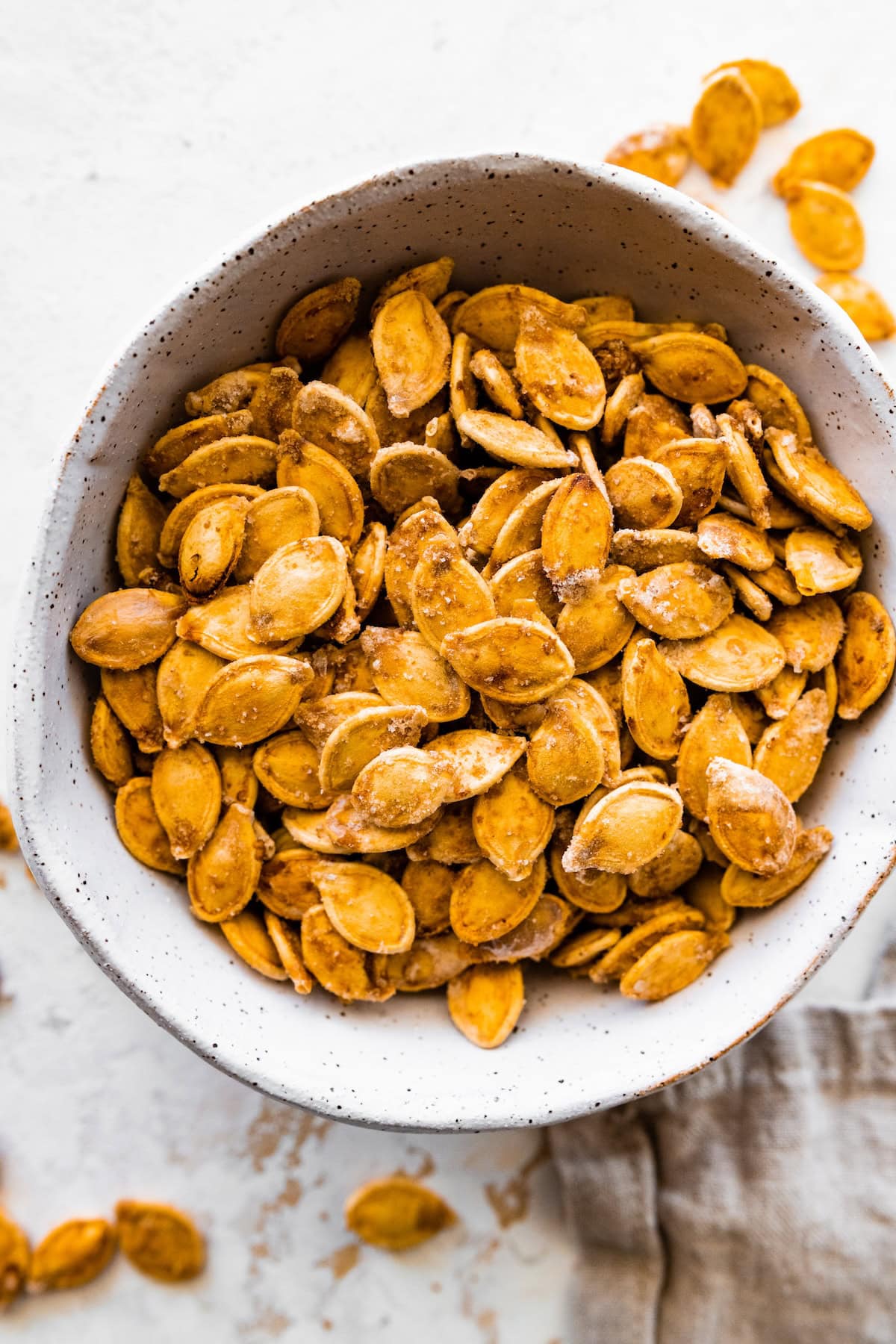
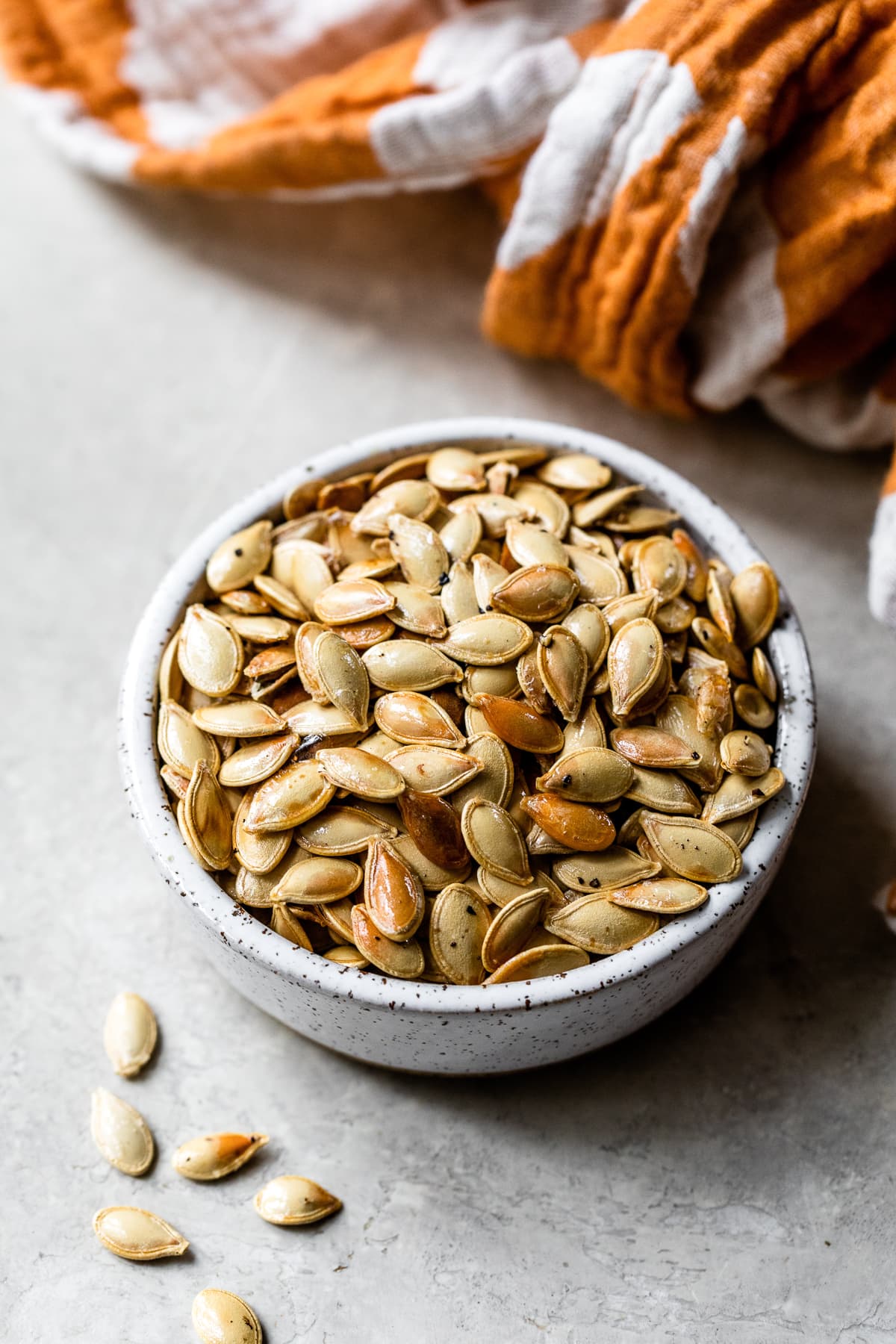
While raw pumpkin seeds are certainly nutritious, the act of roasting transforms them. It enhances their nutty flavor, crisps their texture, and often makes them more palatable and digestible for many. The "don’t toss" message extends to making them an irresistible part of your diet.
The Alchemy of Roasting:
Roasting pumpkin seeds is a simple yet rewarding process. After separating them from the pumpkin flesh and rinsing thoroughly, they can be spread on a baking sheet.
- Temperature and Time: A moderate oven (around 300-350°F or 150-175°C) for 15-25 minutes is usually sufficient, with stirring every 10 minutes to ensure even browning. The goal is a golden-brown hue and a distinct snap when bitten, indicating their internal moisture has evaporated.
- Seasoning: This is where the magic happens.
- Savory: A drizzle of olive oil, a sprinkle of sea salt, black pepper, garlic powder, onion powder, smoked paprika, or even chili powder can create a robust, flavorful snack.
- Sweet: For a dessert-like treat, toss them with a touch of maple syrup or honey, cinnamon, and a pinch of nutmeg.
- Spicy: A dash of cayenne pepper or a sprinkle of za’atar can add an exotic kick.
Culinary Applications: Beyond the Snack Bowl:
Roasted pumpkin seeds are incredibly versatile, capable of elevating a wide array of dishes.
- Salads: Sprinkle them over green salads for a delightful crunch and nutty flavor. They pair exceptionally well with autumn-themed salads featuring apples, goat cheese, and mixed greens.
- Yogurt and Oatmeal: A handful atop Greek yogurt, oatmeal, or a smoothie bowl adds texture, protein, and healthy fats, making for a more satisfying breakfast.
- Granola and Energy Bars: Incorporate them into homemade granola or energy bars for an extra nutritional boost.
- Soups and Stews: Garnish creamy soups (especially pumpkin or butternut squash soup) with roasted seeds for an elegant finish and textural contrast.
- Baked Goods: Add them to muffins, breads, or cookies for a unique flavor and crunch.
- Pestos and Dips: Use them as a base for a nut-free pesto (replacing pine nuts) or blend them into dips like hummus for added texture and nutrients.
- Crusts and Coatings: Grind them into a coarse meal to use as a gluten-free coating for fish or chicken, or incorporate them into a savory pie crust.
- Standalone Snack: Of course, they are perfectly delicious on their own, offering a satisfying and healthy alternative to processed snacks.
Storage Tips:
To maintain their freshness and prevent rancidity (due to their high fat content), roasted pumpkin seeds should be stored in an airtight container in a cool, dark place. For longer preservation, especially in warmer climates, refrigeration or even freezing can extend their shelf life considerably.
The act of preparing and incorporating these seeds into your diet is a conscious step towards embracing whole foods and maximizing their inherent nutritional value. It’s a simple culinary effort with profound health rewards.
Considerations and Nuances: For the Knowledgeable Palate
While the benefits of roasted pumpkin seeds are extensive, a knowledgeable audience understands that no single food is a panacea, and context is key. There are nuances and considerations that ensure responsible and optimal consumption.
1. Calorie Density:
Despite their incredible nutritional value, pumpkin seeds are calorie-dense due primarily to their fat content. A quarter-cup (about 30 grams) contains approximately 150-180 calories. While these are "good" calories, moderation is still important, especially for those managing weight. A handful (1-2 ounces) a few times a week is often a sufficient amount to reap the benefits without overdoing it.
2. Raw vs. Roasted: A Minor Debate:
Some health enthusiasts advocate for raw pumpkin seeds, citing concerns that roasting may degrade certain heat-sensitive nutrients or increase the formation of advanced glycation end products (AGEs).
- Nutrient Stability: While some minor loss of certain B vitamins or specific antioxidants might occur with high-heat roasting, the vast majority of minerals, fiber, protein, and healthy fats remain intact.
- Anti-Nutrients: Raw seeds (and many nuts and legumes) contain phytic acid (phytates), which can bind to minerals like zinc and iron, potentially reducing their absorption. Roasting, soaking, or sprouting can help reduce phytic acid content, thereby enhancing mineral bioavailability.
- Digestibility: For many, roasted seeds are more palatable and easier to digest than raw ones.
Ultimately, the choice between raw and roasted is often a matter of personal preference and digestive comfort, with both offering significant health benefits. The key is to consume them regularly.
3. Organic vs. Conventional:
Opting for organic pumpkin seeds ensures they have been grown without synthetic pesticides or fertilizers, which can be a concern for some consumers. While the outer shell offers some protection, choosing organic can be a prudent choice for those prioritizing minimal chemical exposure.
4. Allergies:
While not as common as peanut or tree nut allergies, allergies to pumpkin seeds (or other squash seeds) can occur. Symptoms can range from mild (hives, digestive upset) to severe (anaphylaxis). Individuals with known seed or nut allergies should exercise caution.
5. Potential Drug Interactions:
- Anticoagulants (Blood Thinners): Pumpkin seeds contain Vitamin K, which plays a crucial role in blood clotting. While the amount in a typical serving is unlikely to cause significant issues, individuals on blood-thinning medications like warfarin should consult their doctor or dietitian to ensure consistent Vitamin K intake and avoid sudden, large increases in consumption.
- Diuretics: Given their mild diuretic properties, individuals on diuretic medications might want to discuss their pumpkin seed intake with a healthcare professional, though interaction is generally low.
6. Shells vs. Shell-less (Pepitas):
Most commonly, roasted pumpkin seeds available commercially are shelled (pepitas). However, if you’re scooping them directly from a pumpkin, you’ll encounter them with their fibrous white shell. These shells are edible and contain additional fiber, but they can be tough and require more chewing. Many prefer to roast and consume them shelled for texture and ease.
By being mindful of these considerations, the knowledgeable consumer can fully integrate roasted pumpkin seeds into a balanced diet, maximizing their benefits while addressing any potential concerns. It’s about informed consumption, celebrating a food that offers so much, responsibly.
The Unveiling of a Legacy: A Conclusion
The journey of the pumpkin seed is a compelling narrative of rediscovery – from a humble, often-discarded byproduct to a celebrated dietary staple. It speaks to the enduring wisdom of ancient civilizations who recognized its potent value long before microscopes and biochemical analyses could confirm their intuitive understanding. Modern science has not just validated these ancestral claims but has illuminated the intricate mechanisms by which this tiny seed exerts its profound influence on human health.
Roasted pumpkin seeds are more than just a crunchy, satisfying snack. They are a concentrated source of life-sustaining nutrients: heart-healthy fats, complete proteins, abundant fiber, and a treasure trove of essential vitamins and minerals like magnesium, zinc, and iron. They offer specific, tangible benefits ranging from supporting cardiovascular health and regulating blood sugar to bolstering the immune system, promoting restful sleep, and uniquely safeguarding prostate health. Their antioxidant and anti-inflammatory properties act as cellular guardians, protecting the body from the ravages of modern life.
In a world increasingly seeking functional foods that offer more than mere calories, the roasted pumpkin seed stands as a shining example of nature’s profound wisdom. It reminds us that often, the greatest treasures are found in the most unassuming packages, waiting to be unveiled. So, the next time you carve a pumpkin or scoop out its vibrant flesh, remember the untold story of its seeds. Don’t toss them. Embrace them. Roast them. Savor them. And in doing so, partake in a timeless legacy of wellness that nourishes both body and spirit. This isn’t just about food; it’s about honoring a natural marvel and investing in your own vibrant health, one crunchy, flavorful seed at a time.