
The human heart, a tireless marvel of biological engineering, orchestrates the very rhythm of life. For many, however, this intricate dance is increasingly threatened by a silent, insidious adversary: hypertension, or high blood pressure. A condition affecting billions globally, hypertension significantly elevates the risk of heart attack, stroke, kidney disease, and other debilitating ailments. As awareness of its dangers grows, so too does the quest for effective management strategies, prompting a renewed focus on the power of diet and lifestyle.
Amidst the cacophony of health advice, a simple, vibrant fruit frequently surfaces as a potential ally: the lemon. From anecdotal whispers about morning lemon water to more structured dietary recommendations, the humble lemon has garnered a reputation for its health-boosting properties. But can this zesty citrus truly make a tangible difference in the fight against high blood pressure? Can the story of its efficacy be told through the rigorous lens of science, or is it merely another hopeful tale spun in the vast loom of wellness folklore?
For the knowledgeable audience, seeking not just claims but substantiated understanding, this article embarks on a comprehensive journey. We will peel back the layers of popular perception, delve into the intricate biochemistry of lemons, scrutinize the scientific evidence, and ultimately discern the role this bright yellow fruit might play in the nuanced narrative of cardiovascular health. Our quest is to understand not just if lemons can help, but how, why, and under what circumstances, grounding the story of lemon’s potential in verifiable fact.
The Silent Epidemic: Unpacking Hypertension
Before we explore the lemon’s potential, it is crucial to understand the adversary it aims to confront. Hypertension is defined by persistently high force of blood against the artery walls. It is typically diagnosed when blood pressure readings consistently exceed 130/80 mmHg. Often without noticeable symptoms in its early stages, it earns its moniker "the silent killer" by silently damaging blood vessels and organs over time.
The consequences of uncontrolled hypertension are profound. It hardens arteries, leading to atherosclerosis; weakens the heart muscle, contributing to heart failure; increases the risk of blood clots, precipitating strokes; and impairs kidney function. The conventional approach to managing hypertension involves a multi-pronged strategy: pharmacological interventions (such as ACE inhibitors, diuretics, beta-blockers, and calcium channel blockers) often alongside comprehensive lifestyle modifications. These lifestyle changes form the bedrock of prevention and management, encompassing regular physical activity, stress reduction, maintaining a healthy weight, limiting sodium intake, and adopting a balanced diet rich in fruits, vegetables, and whole grains, such as the DASH (Dietary Approaches to Stop Hypertension) diet.
It is within this framework of dietary intervention that the spotlight increasingly turns to specific foods and their bioactive compounds. The discerning individual, armed with knowledge, seeks not just general dietary advice but a deeper understanding of the mechanisms through which particular foods might exert their beneficial effects. This brings us squarely to the citrus family, and specifically, the lemon.
Citrus: A Symphony of Bioactive Compounds
The citrus family, a vibrant genus of flowering trees and shrubs, has long been celebrated for its refreshing taste and nutritional bounty. While oranges, grapefruits, and limes each boast their own unique profiles, lemons stand out for their particularly high acidity and distinct composition. Beyond the ubiquitous Vitamin C, which is undoubtedly crucial, citrus fruits are veritable treasure troves of thousands of bioactive compounds, many of which are now being rigorously investigated for their therapeutic potential.
To appreciate the lemon’s role in heart health, we must first understand this broader symphony of compounds:
-
Vitamin C (Ascorbic Acid): This well-known antioxidant is abundant in lemons. Beyond its immune-boosting fame, Vitamin C plays a critical role in cardiovascular health by scavenging free radicals, reducing oxidative stress on blood vessels, and regenerating other antioxidants like Vitamin E. Crucially, it is also a cofactor in the synthesis of collagen, which is vital for the integrity and elasticity of blood vessel walls. Furthermore, Vitamin C has been implicated in improving endothelial function – the health of the inner lining of blood vessels – which is paramount for proper vasodilation (the widening of blood vessels) and blood pressure regulation.
-
Flavonoids: These polyphenolic compounds are perhaps the most exciting frontier in citrus research. Lemons are particularly rich in several key flavonoids, including:
- Eriocitrin: Found predominantly in lemons and limes, eriocitrin is a powerful antioxidant and anti-inflammatory agent. Research suggests it may play a direct role in improving lipid profiles and protecting against vascular damage.
- Hesperidin: While more abundant in oranges, hesperidin is also present in lemons. It has been extensively studied for its ability to improve endothelial function, reduce inflammation, and potentially inhibit angiotensin-converting enzyme (ACE), a key enzyme in blood pressure regulation.
- Diosmin: Also found in lemons, diosmin is often used in pharmacological preparations for venous insufficiency due to its venotonic and vasoprotective properties, suggesting broader vascular benefits.
- Quercetin: Although present in smaller amounts compared to other flavonoids, quercetin is a potent antioxidant and anti-inflammatory compound found in many plant foods, including lemons.
Collectively, these flavonoids exert their effects through multiple pathways: enhancing nitric oxide bioavailability (leading to vasodilation), reducing systemic inflammation, improving cholesterol metabolism, and protecting against oxidative damage to cells and tissues.
-
Limonoids: These bitter-tasting compounds, found in the peel and seeds of citrus fruits, are unique to the citrus family. Limonoids like limonin and nomilin have demonstrated potent antioxidant, anti-cancer, and cholesterol-lowering properties in preclinical studies. While their direct impact on blood pressure is still under investigation, their overall contribution to cardiovascular health is significant.
-
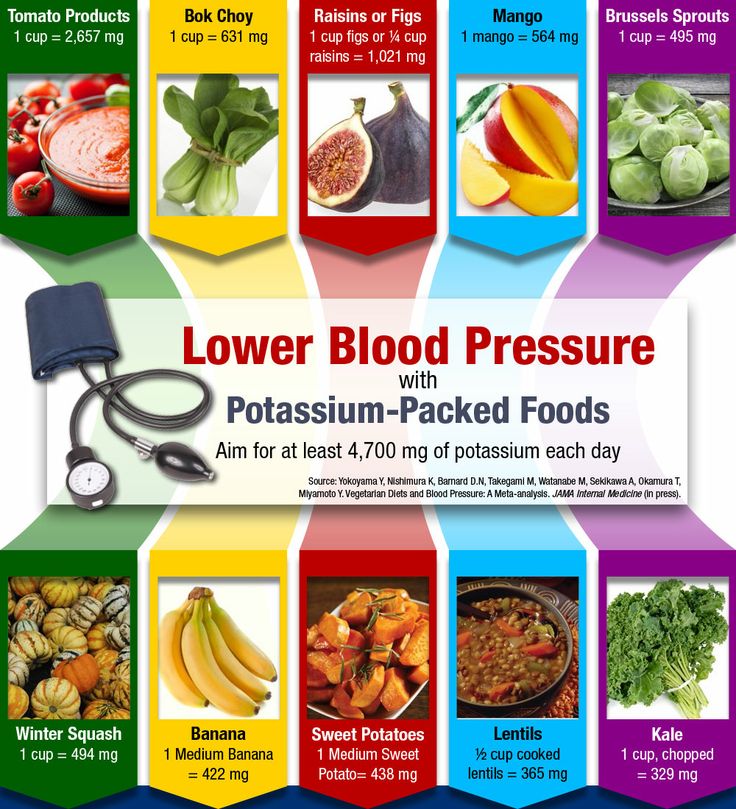
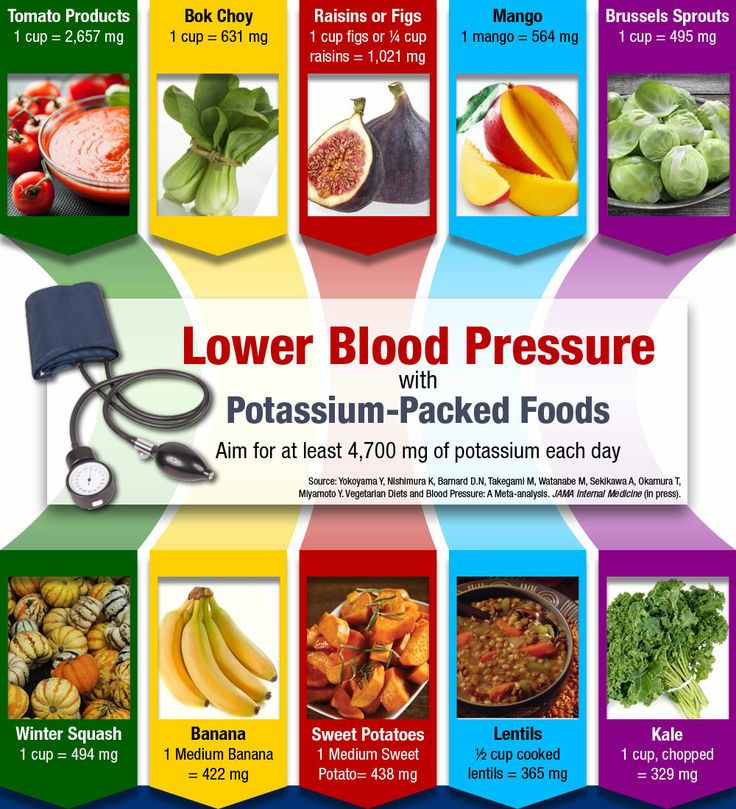
Potassium: Lemons, like many fruits, contain potassium, an essential mineral that plays a crucial role in maintaining fluid and electrolyte balance in the body. Potassium helps to counteract the effects of sodium, promoting its excretion through urine and thereby contributing to blood pressure regulation. A higher dietary potassium intake is consistently associated with lower blood pressure.
-
Pectin (Soluble Fiber): The white pith and pulp of lemons are rich in pectin, a soluble fiber. While primarily known for its role in digestive health, pectin also contributes to heart health by binding to cholesterol in the digestive tract, preventing its absorption and thus helping to lower LDL ("bad") cholesterol levels. Improved cholesterol profiles indirectly support healthy blood pressure by reducing the risk of atherosclerosis.
-
Citric Acid: The compound responsible for the lemon’s characteristic tartness, citric acid, while not directly impacting blood pressure, plays an important supporting role. It can enhance the bioavailability of certain minerals, like calcium and magnesium, which are themselves involved in blood pressure regulation. Furthermore, citric acid is well-known for its role in preventing kidney stones, a condition whose prevalence can sometimes coincide with hypertension.
This intricate blend of nutrients and bioactive compounds positions the lemon not merely as a source of Vitamin C, but as a sophisticated biological cocktail with multi-faceted potential for cardiovascular support.
The Lemon Specifics: Unpacking the Mechanisms of Blood Pressure Reduction
Having established the lemon’s rich biochemical profile, we can now delve deeper into the specific mechanisms through which its components might influence blood pressure. The story here is one of synergistic action, where individual compounds contribute to a collective physiological benefit.
1. Endothelial Function and Nitric Oxide Production:
The endothelium, the delicate inner lining of blood vessels, is a critical regulator of vascular tone and blood pressure. A healthy endothelium produces nitric oxide (NO), a powerful vasodilator that relaxes blood vessels and lowers blood pressure. Endothelial dysfunction, characterized by reduced NO bioavailability, is an early marker of atherosclerosis and a precursor to hypertension.
- Vitamin C: As a potent antioxidant, Vitamin C protects NO from oxidative degradation, ensuring its longer lifespan and greater efficacy. It also plays a role in the synthesis and activity of endothelial nitric oxide synthase (eNOS), the enzyme responsible for producing NO.
- Flavonoids (Eriocitrin, Hesperidin, Diosmin): These compounds have been shown to directly enhance eNOS activity and NO production. They also reduce oxidative stress and inflammation within the endothelium, further improving its function. By promoting vasodilation, these compounds help to reduce peripheral vascular resistance, thereby lowering blood pressure.
2. Angiotensin-Converting Enzyme (ACE) Inhibition:
The renin-angiotensin-aldosterone system (RAAS) is a primary hormonal pathway regulating blood pressure. A key enzyme in this system is angiotensin-converting enzyme (ACE), which converts angiotensin I to angiotensin II. Angiotensin II is a potent vasoconstrictor (narrows blood vessels) and stimulates aldosterone release, which promotes sodium and water retention, both leading to increased blood pressure. ACE inhibitor drugs are a common and effective treatment for hypertension.
- Flavonoids: Research, particularly in preclinical models, suggests that certain citrus flavonoids, including those found in lemons, may exhibit ACE inhibitory activity. By partially blocking ACE, these compounds could mimic the action of pharmaceutical ACE inhibitors, leading to reduced production of angiotensin II, subsequent vasodilation, and decreased blood pressure. While the effect of dietary flavonoids is likely milder than pharmacological agents, it contributes to the overall blood pressure-lowering potential.
3. Antioxidant and Anti-inflammatory Effects:
Chronic low-grade inflammation and oxidative stress are central to the pathogenesis of hypertension and cardiovascular disease. Oxidative stress damages blood vessel walls, stiffens arteries, and impairs endothelial function. Inflammation further exacerbates this damage.
- Vitamin C and Flavonoids: The robust antioxidant capacity of lemons, primarily attributed to Vitamin C and its diverse flavonoids, helps neutralize free radicals, reduce lipid peroxidation, and mitigate oxidative damage to vascular cells. By dampening inflammatory pathways, these compounds help maintain the structural integrity and functional health of blood vessels, contributing to better blood pressure control.
4. Potassium and Sodium Balance:
Dietary sodium intake is a well-established driver of hypertension. Potassium, on the other hand, acts as a natural antagonist to sodium.
- Potassium: Lemons contribute potassium to the diet. Potassium promotes the excretion of excess sodium through the kidneys, which in turn reduces fluid retention and blood volume, leading to a decrease in blood pressure. A diet rich in potassium-containing foods like fruits and vegetables is a cornerstone of blood pressure management.
5. Diuretic Effects:
While not a primary mechanism, some components of lemons, particularly the potassium and water content, can have a mild diuretic effect, promoting fluid excretion. This can contribute to a temporary reduction in blood volume and, consequently, blood pressure. However, this effect is generally modest compared to pharmacological diuretics.
These interconnected mechanisms paint a compelling picture of how the constituents of lemons, working in concert, could contribute to a healthier cardiovascular system and potentially aid in the management of blood pressure.
Evidence-Based Insights: What Do the Studies Say?
The transition from theoretical mechanisms to demonstrable human benefit requires rigorous scientific investigation. While the concept of "lemon water for blood pressure" is widely discussed, it’s important to differentiate between anecdotal observations, preclinical findings, and robust human clinical trials.
Preclinical and Animal Studies:
Much of the foundational understanding of lemon’s bioactive compounds comes from in vitro (test tube) and in vivo (animal) studies. These studies have consistently shown promising results:
- Flavonoid Benefits: Numerous studies on hypertensive rats have demonstrated that citrus flavonoids, including hesperidin and eriocitrin, can significantly lower blood pressure, improve endothelial function, and reduce oxidative stress. For instance, research has shown that extracts from lemon peel, rich in polyphenols, can reduce hypertension in spontaneously hypertensive rats by improving vascular relaxation and reducing arterial stiffness.
- ACE Inhibition: In vitro assays have confirmed the ACE inhibitory potential of various citrus extracts and isolated flavonoids, lending credence to the mechanistic hypothesis.
- Antioxidant Effects: Animal models of hypertension and atherosclerosis have shown that citrus flavonoid supplementation can reduce markers of oxidative stress and inflammation in vascular tissues.
While these studies provide crucial insights into biological plausibility and mechanisms of action, it is vital to remember that findings in animals do not always directly translate to humans.
Human Observational Studies:
Observational studies explore correlations between dietary patterns and health outcomes in large human populations. These studies often point towards general trends:
- Citrus Consumption and CVD Risk: Numerous large-scale epidemiological studies have found an inverse association between higher intake of citrus fruits and a lower risk of cardiovascular disease, including hypertension. For example, the Nurses’ Health Study and Health Professionals Follow-Up Study, among others, have consistently linked diets rich in fruits and vegetables, including citrus, to better cardiovascular outcomes.
- Flavonoid Intake and Blood Pressure: Meta-analyses of observational studies have indicated that a higher dietary intake of flavonoids, common in citrus fruits, is associated with a modest but significant reduction in blood pressure and a lower risk of hypertension.
These studies suggest a beneficial role for citrus within a broader healthy dietary pattern, but they cannot establish a direct cause-and-effect relationship for lemons alone.
Human Intervention Studies:
This is where the evidence becomes more direct but also more challenging to interpret specifically for lemons and blood pressure. Direct, large-scale, placebo-controlled clinical trials focusing solely on lemon juice or lemon compounds as an intervention for lowering blood pressure are relatively limited.
However, some smaller studies and studies on broader citrus intake offer valuable insights:
- A study published in the Journal of Nutrition and Metabolism (2014) investigated the effects of daily lemon intake and walking on blood pressure in middle-aged Japanese women. The study found that regular consumption of lemons, combined with daily walking, significantly lowered systolic blood pressure compared to a control group. The researchers attributed this effect partly to the citric acid and flavonoids in lemons, as well as the physical activity. This particular study is often cited, but it combined lemon intake with exercise, making it harder to isolate the lemon’s individual effect.
- Other studies on hesperidin supplementation (a prominent citrus flavonoid) have shown promising results in improving endothelial function and modestly lowering blood pressure in individuals with pre-hypertension or mild hypertension. While hesperidin is more abundant in oranges, its presence in lemons suggests a shared mechanism.
- Studies on Vitamin C supplementation have yielded mixed results regarding direct blood pressure reduction, but meta-analyses suggest a modest reduction in both systolic and diastolic blood pressure, particularly in hypertensive individuals. Given lemons are an excellent source of Vitamin C, this contributes to their overall potential.
The Nuance: It is crucial for a knowledgeable audience to understand that while the components of lemons (Vitamin C, flavonoids, potassium) have demonstrated individual or combined blood pressure-lowering effects in various studies, direct, unequivocal evidence from large, isolated lemon intervention trials specifically for hypertension is not as abundant as for pharmacological treatments. The effects observed are generally modest and are likely synergistic with other dietary and lifestyle factors.
This does not negate the potential benefits; rather, it frames them appropriately. Lemons are not a magic bullet or a replacement for medication, but a valuable dietary component that contributes to a constellation of factors supporting cardiovascular health.
The "How To" and Practical Considerations: Integrating Lemons into a Heart-Healthy Lifestyle
For those convinced by the mechanistic plausibility and existing evidence, the next logical step is integration. How can lemons be effectively and safely incorporated into a daily routine to support heart health and potentially aid in blood pressure management?
1. Lemon Water: The Simplest Approach
Perhaps the most common way to consume lemons is by adding their juice to water.
- Method: Squeeze half to a whole lemon into 8-16 ounces of water. Consume once or twice daily.
- Benefits: This simple habit not only provides lemon’s bioactive compounds but also boosts hydration, which is beneficial for overall health and can indirectly support blood pressure by improving kidney function and reducing blood viscosity.
- Consistency is Key: The potential benefits of lemons are likely cumulative, requiring consistent daily intake rather than sporadic consumption.
2. Culinary Versatility: Beyond the Drink
Lemons are incredibly versatile in the kitchen, offering numerous opportunities to incorporate them into your diet:
- Dressings and Marinades: Use lemon juice as a base for salad dressings, marinades for fish, chicken, or vegetables. This can reduce the need for high-sodium condiments.
- Flavor Enhancer: A squeeze of lemon juice can brighten the flavor of almost any dish, from soups and stews to roasted vegetables and grains. It can reduce the perceived need for salt.
- Desserts: Lemon zest and juice are staples in many healthier dessert recipes.
- Garnish: A lemon wedge alongside a meal encourages its use.
- Whole Lemon Consumption: Consider incorporating the zest, which is rich in essential oils and flavonoids, into cooking. While the pulp and juice are beneficial, the peel holds a concentrated dose of certain compounds.
3. Dosage and Form:
- There’s no universally established "dose" of lemons for blood pressure reduction. However, a common recommendation is the juice of 1-2 lemons per day, either diluted in water or used in cooking.
- Freshly squeezed juice is preferable to bottled concentrates, which may contain additives or lose potency over time.
- Consider organic lemons to minimize pesticide exposure, especially if using the zest.
4. The Broader Context: Lemons as Part of a Symphony
It is paramount to reiterate that lemons are not a standalone cure for hypertension. Their potential benefits are realized most effectively within the context of a holistic heart-healthy lifestyle:
- DASH Diet: Adhering to dietary patterns like the DASH diet, which emphasizes fruits, vegetables, whole grains, lean protein, and low-fat dairy, provides a synergistic environment for lemon’s benefits.
- Regular Exercise: Physical activity is a powerful tool for blood pressure management.
- Weight Management: Losing even a small amount of weight can significantly impact blood pressure.
- Sodium Restriction: Limiting processed foods and consciously reducing sodium intake is critical.
- Stress Management: Chronic stress can elevate blood pressure; practices like meditation, yoga, and mindfulness are beneficial.
- Medication Adherence: For those prescribed medication for hypertension, lemons should be seen as a complementary dietary aid, never a replacement. Consultation with a healthcare provider before making significant dietary changes, especially if on medication, is always advised.
5. Potential Downsides and Precautions:
While generally safe, there are a few considerations:
- Tooth Enamel Erosion: The high acidity of lemon juice can erode tooth enamel over time. To minimize this risk:
- Dilute lemon juice generously in water.
- Drink through a straw.
- Rinse your mouth with plain water after consuming lemon water.
- Wait at least 30 minutes before brushing your teeth after consuming acidic foods or drinks.
- Gastroesophageal Reflux Disease (GERD): Individuals prone to acid reflux or heartburn may find that lemon juice exacerbates their symptoms. Starting with small amounts and observing your body’s reaction is prudent.
- Drug Interactions: While less common with lemons than with grapefruit (which contains furanocoumarins that can interact with certain medications), individuals on specific medications, particularly those for blood pressure, should always discuss significant dietary changes with their doctor. Lemons are unlikely to cause direct interactions with most medications, but any food component that lowers blood pressure could theoretically amplify the effects of anti-hypertensive drugs, potentially leading to hypotension (low blood pressure) if not monitored.
Beyond Blood Pressure: Other Cardiovascular Benefits of Lemons
The story of lemons and heart health extends beyond their direct impact on blood pressure. Their rich composition contributes to several other facets of cardiovascular well-being:
- Cholesterol Management: The soluble fiber pectin in lemons helps lower LDL ("bad") cholesterol by interfering with its absorption in the gut. Furthermore, some flavonoids, like hesperidin, have been shown to modulate cholesterol synthesis in the liver, contributing to a healthier lipid profile.
- Anti-atherosclerotic Effects: By reducing oxidative stress and inflammation, and improving endothelial function, lemons can help protect against the formation and progression of atherosclerosis – the hardening and narrowing of arteries that underlies much of cardiovascular disease. The antioxidant power shields the arteries from damage that can lead to plaque buildup.
- Improved Vascular Elasticity: The synthesis of collagen, supported by Vitamin C, is crucial for maintaining the elasticity and strength of blood vessel walls. Healthy, flexible arteries are better able to accommodate blood flow and maintain optimal blood pressure.
- Weight Management Support: Replacing sugary drinks with lemon water can reduce caloric intake. The hydration boost and potential for improved satiety (due to fiber) can also support weight management efforts, which are directly beneficial for blood pressure control and overall heart health.
- Kidney Stone Prevention: While not directly cardiovascular, the citric acid in lemons can increase urine volume and citrate levels, helping to prevent the formation of kidney stones. Healthy kidney function is intricately linked to cardiovascular health, as kidneys play a vital role in blood pressure regulation.
Thus, the lemon emerges not just as a single-target agent, but as a holistic contributor to a resilient and robust cardiovascular system, weaving a broader narrative of protection and promotion of health.
The Future of Research and Concluding Thoughts
The journey to fully understand the intricate interplay between diet and health is ongoing. While current evidence strongly supports the inclusion of lemons and other citrus fruits in a heart-healthy diet, future research will undoubtedly refine our understanding. Larger, long-term, randomized controlled trials specifically on lemon intake and blood pressure outcomes in diverse human populations are needed to solidify definitive recommendations. Furthermore, research into personalized nutrition, exploring how genetic variations might influence an individual’s response to specific dietary compounds, promises to unlock even more precise insights.
In the grand narrative of heart health, lemons are not the protagonist poised to single-handedly vanquish the dragon of hypertension. Instead, they are a vital and vibrant character within a larger ensemble – a powerful supporting actor whose contributions enhance the overall performance. Their story is one of natural synergy: a combination of antioxidants, anti-inflammatories, vasodilators, and essential minerals working in concert to support the delicate balance of the cardiovascular system.
For the knowledgeable individual, the takeaway is clear: embracing lemons is a smart, accessible, and delicious way to bolster your heart health. Integrate them thoughtfully into a lifestyle already committed to balanced nutrition, regular physical activity, stress management, and, if necessary, medical guidance. The zesty promise of the lemon, when viewed through the lens of scientific understanding, transforms from a simple anecdote into a compelling chapter in the ongoing story of how nature’s bounty can help us nurture our most vital organ. Drink your lemon water, zest your dishes, and savor the knowledge that with each bright, tart note, you are contributing to the enduring rhythm of a healthy heart.