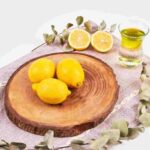

In the quiet dawn of a new day, a ritual unfolds in countless kitchens worldwide. A lemon, bright yellow and fragrant, is plucked from a bowl, sliced with a swift, clean motion, and its tart, invigorating juice squeezed into a glass of water. For many, this simple act is a gesture of wellness, a deliberate embrace of Vitamin C’s purported benefits – an immune boost, a skin brightener, a daily dose of antioxidant vigor. Yet, beneath the surface of this familiar routine, hidden within the very cells of that vibrant fruit, lies a world of far greater complexity and profound biological significance. The lemon, it turns out, is a silent symphony of phytochemicals, an intricate botanical orchestra where Vitamin C, for all its fame, is but one celebrated soloist.
Our journey begins not with the familiar ascorbic acid, but with the unseen architects of the lemon’s profound health benefits: the flavonoids. These are not merely accessory molecules; they are the true unsung heroes, a diverse class of polyphenolic compounds that bestow upon the lemon, and indeed upon countless other fruits and vegetables, their vibrant colors, distinctive flavors, and formidable protective properties. To truly understand the lemon, to appreciate its full potential, we must venture beyond the well-trodden path of Vitamin C and delve into the fascinating, intricate narrative of its complex flavonoids.
The Unseen Architects: A Prelude to Flavonoids
Imagine a lemon not just as a fruit, but as a miniature chemical factory, constantly producing a bewildering array of compounds to thrive in its environment. Plants, immobile and exposed to the whims of nature, have evolved sophisticated biochemical defenses against UV radiation, pests, pathogens, and environmental stress. Flavonoids are a cornerstone of this biochemical arsenal.
Chemically, flavonoids belong to the broader group of polyphenols, characterized by their diphenylpropane (C6-C3-C6) backbone. This seemingly simple structure, however, allows for an astonishing diversity. Variations in the oxidation state of the central three-carbon chain, hydroxylation patterns, glycosylation (attachment of sugar molecules), and methylation lead to thousands of distinct flavonoid compounds. It is this structural versatility that underpins their wide spectrum of biological activities.
In the lemon, these compounds are not randomly distributed. They are concentrated in the peel, the pith (the white spongy layer), and, to a lesser extent, in the pulp and juice. This distribution hints at their primary role in the plant: protecting the most vulnerable parts from external threats. But what is protection for the plant becomes potential healing for us.
The Lemon’s Flavonoid Roster: A Deep Dive into Its Star Players
While hundreds of flavonoids exist in the plant kingdom, a select few dominate the citrus landscape, particularly in lemons. Understanding these key players is crucial to appreciating the lemon’s true value.
1. Hesperidin: The Cardiovascular Guardian
Perhaps the most abundant flavonoid in lemons, especially in the peel and pith, is hesperidin. It’s a flavanone glycoside, meaning it consists of the flavanone aglycone hesperetin attached to a rutinoside sugar molecule. This glycosidic linkage is crucial, as we will see later, for its journey through the human body.
Hesperidin is a formidable compound, extensively studied for its profound cardiovascular benefits. It acts as a potent antioxidant, neutralizing free radicals that contribute to oxidative stress and cellular damage. Beyond direct scavenging, hesperidin has been shown to enhance the activity of endogenous antioxidant enzymes like superoxide dismutase (SOD), catalase (CAT), and glutathione peroxidase (GPx), effectively bolstering the body’s own defense systems.
Its anti-inflammatory properties are equally impressive. Hesperidin can modulate key inflammatory pathways, particularly by inhibiting the activation of NF-κB (nuclear factor kappa-light-chain-enhancer of activated B cells), a central regulator of inflammatory gene expression. This leads to a reduction in pro-inflammatory cytokines such as TNF-α (tumor necrosis factor-alpha) and IL-6 (interleukin-6). This dual action against oxidative stress and inflammation makes hesperidin a powerful ally against chronic diseases.
Furthermore, hesperidin plays a significant role in maintaining vascular health. Research suggests it can improve endothelial function, the health of the inner lining of blood vessels, which is critical for blood pressure regulation and preventing atherosclerosis. It has been shown to help lower elevated blood pressure, improve lipid profiles by reducing LDL ("bad") cholesterol, and inhibit platelet aggregation, thereby reducing the risk of blood clots. Its venotonic properties, strengthening capillary walls and reducing permeability, have also led to its use in treating venous insufficiency and hemorrhoids, often in combination with its close relative, diosmin.
2. Naringin: The Bitter Benefactor
Another prominent flavanone glycoside in lemons, though more famously associated with grapefruit, is naringin. It is responsible for the characteristic bitterness of some citrus varieties. Naringin consists of the flavanone naringenin linked to a neohesperidoside sugar. Like hesperidin, its glycosidic form influences its bioavailability.
Naringin is a powerhouse of metabolic regulation. It has garnered significant attention for its potential role in managing metabolic syndrome, obesity, and type 2 diabetes. Studies have shown that naringin can improve insulin sensitivity, reduce blood glucose levels, and enhance glucose utilization by peripheral tissues. It appears to achieve this through various mechanisms, including modulating hepatic enzymes involved in glucose and lipid metabolism, and influencing adipocyte differentiation.
Its antioxidant and anti-inflammatory capacities mirror those of hesperidin, contributing to overall cellular protection. Naringin has also shown promising neuroprotective effects, crossing the blood-brain barrier and exhibiting anti-inflammatory actions within the central nervous system, which may protect against neurodegenerative diseases.
The bitterness of naringin, often concentrated in the peel and pith, serves as a reminder that some of nature’s most potent medicines come with a challenging taste profile. This bitterness, however, is a signal of its profound chemical activity.
3. Eriocitrin: The Potent, Lesser-Known Ally
While hesperidin and naringin often steal the spotlight, eriocitrin is another significant flavanone glycoside present in lemons, particularly abundant in the juice. It is the 7-O-neohesperidoside of eriodictyol. Although less widely known, eriocitrin boasts impressive biological activities, often surpassing its more famous counterparts in certain antioxidant assays.
Eriocitrin is an exceptionally potent antioxidant, even more so than hesperidin in some contexts. It excels at scavenging reactive oxygen species (ROS) and inhibiting lipid peroxidation. Its high antioxidant capacity contributes to its anti-inflammatory effects, similar to other flavonoids, by modulating inflammatory pathways.
Emerging research suggests eriocitrin may play a role in hepatoprotection (liver protection) and renoprotection (kidney protection) against oxidative damage and inflammation. Its presence in the juice means that even a simple squeeze into water delivers a dose of this powerful, often-overlooked compound.
4. Diosmin: The Vascular Specialist
Often found alongside hesperidin in citrus, diosmin is another flavanone glycoside particularly valued for its phlebotonic (vein-strengthening) properties. It is the 7-O-rutinoside of diosmetin. Diosmin is widely used as a pharmaceutical agent, often in combination with hesperidin, for the treatment of various vascular disorders, including chronic venous insufficiency, varicose veins, and hemorrhoids.
Its primary mechanism involves improving venous tone, reducing capillary permeability, and enhancing lymphatic drainage. This helps to alleviate symptoms like swelling, pain, and heaviness in the legs associated with compromised venous circulation. While present in lemons, its therapeutic application often involves concentrated extracts due to the specific dosages required for clinical efficacy.
Beyond the Peel: Where They Reside
The distribution of these flavonoids within the lemon is not uniform, a critical point for those seeking to maximize their intake.
- The Peel (Flavedo and Albedo): This is the undisputed powerhouse of lemon flavonoids. The outer, colored layer (flavedo) contains volatile oils and pigments, while the white, spongy inner layer (albedo) is particularly rich in flavanones like hesperidin and naringin. This is why zest, often discarded or used sparingly, is a goldmine of beneficial compounds.
- The Pith: The pith, often removed for its bitterness, is also a significant source, particularly of naringin and hesperidin.
- The Juice: While the juice contains a respectable amount of flavonoids, especially eriocitrin, the concentration is generally lower than in the peel and pith. Much of the soluble Vitamin C resides here, but a considerable portion of the flavonoid richness remains locked away in the fibrous structures.
This spatial distribution underscores the importance of consuming the whole fruit, or at least incorporating the zest, to truly unlock the lemon’s full flavonoid potential. Processing methods, such as juicing without including the pith or peel, can significantly reduce the intake of these compounds.
The Symphony of Action: How Flavonoids Work in the Body
The narrative of flavonoids isn’t just about their presence; it’s about their profound, multifaceted interaction with human physiology. Their mechanisms of action are far more complex than simple antioxidant scavenging. They are true biological modulators, influencing a vast array of cellular processes.
1. Antioxidant Powerhouse: Beyond Direct Scavenging
While direct scavenging of reactive oxygen species (ROS) and reactive nitrogen species (RNS) is a key mechanism, it’s not the whole story. Flavonoids, particularly those from lemons, also act indirectly by:
- Metal Chelation: They can chelate transition metals like iron and copper, preventing them from catalyzing free radical formation.
- Enzyme Modulation: They influence the activity of enzymes involved in ROS production (e.g., inhibiting NADPH oxidase) and enhance the activity of endogenous antioxidant enzymes. A prime example is the activation of the Nrf2 (nuclear factor erythroid 2-related factor 2) pathway. Nrf2 is a master regulator of antioxidant and detoxification genes. Flavonoids can trigger Nrf2 translocation to the nucleus, where it binds to antioxidant response elements (AREs) and upregulates the expression of genes encoding enzymes like SOD, CAT, GPx, and heme oxygenase-1 (HO-1), thereby significantly boosting the cell’s own protective capacity.
2. Anti-inflammatory Maestros: Targeting Core Pathways
Chronic inflammation is at the root of many modern diseases. Lemon flavonoids are potent anti-inflammatory agents through several pathways:
- NF-κB Inhibition: As mentioned with hesperidin, flavonoids can suppress the activation of NF-κB, a central transcription factor that drives the expression of numerous pro-inflammatory genes, including those for cytokines (TNF-α, IL-6), chemokines, and adhesion molecules.
- COX and LOX Inhibition: They can inhibit cyclooxygenase (COX) and lipoxygenase (LOX) enzymes, which are critical in the synthesis of prostaglandins and leukotrienes, key mediators of inflammation.
- MAPK Pathway Modulation: Flavonoids can interfere with mitogen-activated protein kinase (MAPK) signaling cascades, which are involved in various cellular responses, including inflammation and stress.
3. Cardiovascular Guardians: A Holistic Approach
The cardiovascular benefits of lemon flavonoids extend beyond antioxidant and anti-inflammatory actions:
- Endothelial Function: They improve the bioavailability of nitric oxide (NO), a crucial vasodilator, by protecting it from oxidative degradation and enhancing its synthesis. This leads to improved blood vessel relaxation and better blood flow.
- Anti-atherosclerotic Effects: By reducing LDL oxidation, inhibiting foam cell formation (a key step in plaque development), and modulating lipid metabolism, they help prevent the progression of atherosclerosis.
- Antihypertensive Effects: Through improved endothelial function and potentially by modulating renin-angiotensin-aldosterone system components, they contribute to blood pressure regulation.
4. Metabolic Regulators: Balancing the Scales
Naringin, in particular, demonstrates significant metabolic benefits:
- Insulin Sensitivity: Flavonoids can enhance insulin signaling pathways, leading to improved glucose uptake by cells and better glycemic control.
- Lipid Metabolism: They can modulate hepatic lipid synthesis and fatty acid oxidation, contributing to reduced triglyceride and cholesterol levels.
- Adipogenesis Inhibition: Some flavonoids can inhibit the differentiation of pre-adipocytes into mature fat cells, potentially mitigating fat accumulation.
5. Neuroprotective Agents: Protecting the Brain
Emerging research highlights the neuroprotective potential of citrus flavonoids:
- Blood-Brain Barrier (BBB) Permeability: Some flavonoids and their metabolites can cross the BBB, allowing them to exert direct effects in the brain.
- Anti-neuroinflammation: By suppressing microglial activation and reducing pro-inflammatory cytokine production in the brain, they can mitigate neuroinflammation, a driver of neurodegenerative diseases.
- Cognitive Function: Studies suggest they may enhance synaptic plasticity, improve memory, and protect against neuronal damage in conditions like Alzheimer’s and Parkinson’s disease.
6. Gut Microbiome Interplay: A Bidirectional Relationship
Perhaps one of the most exciting and rapidly developing areas of flavonoid research is their interaction with the gut microbiome. This relationship is bidirectional:
- Flavonoids Modulate the Microbiome: Flavonoids can act as prebiotics, selectively promoting the growth of beneficial gut bacteria (e.g., Bifidobacterium, Lactobacillus) while inhibiting pathogenic strains. This contributes to a healthier gut ecosystem.
- Microbiome Modulates Flavonoids: The gut bacteria play a critical role in metabolizing flavonoids. Most dietary flavonoids are consumed as glycosides (sugar-attached forms), which are poorly absorbed in the small intestine. Gut bacteria possess enzymes (β-glucosidases, α-rhamnosidases) that deglycosylate these compounds, releasing the more readily absorbed aglycones (sugar-free forms). These aglycones are then further metabolized by gut bacteria into smaller, bioavailable phenolic acids and other active metabolites, which can then be absorbed and exert systemic effects. This means that the efficacy of dietary flavonoids is heavily dependent on the individual’s gut microbial composition.
This intricate dance between host and microbe transforms the original flavonoid into a myriad of active compounds, often more potent than the parent molecule, extending their biological half-life and therapeutic reach.
The Journey Within: Bioavailability and Metabolism
The true "story" of flavonoids in the body is not just about their potent in vitro activities, but about their often challenging journey from the digestive tract to target tissues. This is the concept of bioavailability.
Flavonoids face several hurdles:
- Absorption: Most flavonoid glycosides are poorly absorbed in their intact form in the small intestine.
- Gut Microbiome Transformation: As detailed above, the gut microbiota are indispensable for breaking down glycosides into absorbable aglycones and further metabolizing them into diverse phenolic acids. This means that an individual’s unique gut flora significantly influences the ultimate spectrum and concentration of active flavonoid metabolites in their system.
- Phase I and Phase II Metabolism: Once absorbed, flavonoids and their metabolites undergo extensive metabolism in the liver and intestinal cells.
- Phase I (Functionalization): Involves reactions like hydroxylation, often mediated by cytochrome P450 enzymes.
- Phase II (Conjugation): Involves attaching polar groups like glucuronides, sulfates, and methyl groups. These conjugations increase water solubility, facilitate excretion, and can sometimes alter biological activity.
- Circulation and Target Delivery: The conjugated metabolites circulate in the blood, often bound to albumin, and are eventually delivered to various tissues where they exert their effects or are further metabolized and excreted.
This complex metabolic landscape explains why high in vitro potency doesn’t always translate directly to high in vivo efficacy. It also highlights the "entourage effect" – the idea that the combination of various flavonoids and other phytochemicals in whole foods works synergistically, perhaps by influencing each other’s absorption, metabolism, or biological targets, leading to greater overall health benefits than isolated compounds.
From Lab to Life: Research and Real-World Implications
The scientific understanding of lemon flavonoids has rapidly advanced, moving from basic in vitro studies (test tube experiments) to animal models, and increasingly, to human clinical trials.
- In vitro studies demonstrate the immense potential of these compounds, elucidating their molecular mechanisms.
- Animal studies provide crucial insights into their effects in living systems, including pharmacokinetics (what the body does to the drug) and pharmacodynamics (what the drug does to the body).
- Human clinical trials, though challenging due to factors like dosage, duration, and individual variability in gut microbiome, are progressively confirming the benefits observed in earlier research. For instance, studies on hesperidin supplementation have shown positive effects on endothelial function and blood pressure in humans.
For the knowledgeable audience, the implications are clear:
- Embrace the Whole Fruit: The traditional habit of discarding the lemon peel means missing out on the richest source of its most potent flavonoids. Incorporating zest into cooking, grating it into water, or making lemon-infused olive oil are simple ways to unlock this hidden treasure.
- Beyond the Juice: While lemon juice offers Vitamin C and some flavonoids, focusing solely on it overlooks the substantial benefits residing in the more fibrous parts.
- The Power of Consistency: Like many natural compounds, the benefits of flavonoids are likely cumulative and realized through consistent, long-term dietary intake rather than sporadic mega-doses.
- Food First: While flavonoid supplements exist, the synergy of compounds in whole foods often provides superior benefits due to the complex interplay of various phytochemicals, fiber, vitamins, and minerals.
The Concluding Symphony: A New Appreciation for the Mundane
Our journey through the microscopic world of the lemon’s flavonoids brings us full circle, back to that morning ritual. The simple act of squeezing a lemon now carries a richer, more profound meaning. It is not merely an act of hydration or a Vitamin C boost; it is an invitation to a silent, intricate ballet of molecules, a complex biochemical symphony playing out within our bodies.
The lemon, once perceived through the narrow lens of a single vitamin, reveals itself as a marvel of natural engineering, a treasure trove of potent compounds meticulously crafted by evolution. Hesperidin, naringin, eriocitrin, diosmin – these are not just scientific names, but the silent guardians of our health, working tirelessly to protect our cells, quell inflammation, and optimize our metabolic processes.
For the knowledgeable observer, this deep dive into the lemon’s flavonoid complexity isn’t just an academic exercise; it’s a call to a deeper appreciation of the food we consume. It reminds us that nature’s pharmacy is often subtle, intricate, and far more sophisticated than our initial perceptions allow. So, the next time you reach for that bright yellow fruit, remember the unseen architects, the complex flavonoids, and the untold story they continue to write within us – a story of profound wellness, woven into the very fabric of life. The lemon, indeed, is far more than just Vitamin C; it is a testament to the enduring power and mystery of the plant kingdom.