
In the grand tapestry of human wellness, where the quest for vitality often leads us down intricate paths of exotic supplements and complex regimens, there occasionally emerges an unassuming hero. A champion cloaked not in mystery, but in the vibrant hues of everyday life, accessible to all, yet brimming with profound biological power. This is the story of the tomato – a humble fruit, often mistaken for a vegetable, whose journey from obscure origins to global culinary staple mirrors its silent, yet monumental, contribution to our most visible markers of health: our hair, skin, and nails.
This isn’t merely a nutritional fact sheet; it’s an odyssey. An exploration into how the rich biochemical symphony orchestrated within this blushing orb translates into the strength of a strand of hair, the resilience of our skin, and the integrity of our nails. For the knowledgeable seeker of wellness, this narrative peels back the layers, revealing not just what tomatoes offer, but the intricate how behind their remarkable capacity to imbue us with an external glow that truly reflects internal health.
Part 1: The Humble Heirloom – A Historical & Botanical Prelude
Our journey begins not in a laboratory, but in the sun-drenched highlands of the Andes, where the wild ancestors of today’s tomatoes first flourished. Revered by the Aztecs as "xitomatl," a plump fruit that symbolized fertility and contained mystical properties, its initial introduction to Europe in the 16th century was met with suspicion, even fear. Its vibrant red hue, similar to poisonous nightshade berries, earned it the moniker "poison apple" among some Europeans. For centuries, it remained largely an ornamental curiosity, a decorative plant rather than a culinary delight.
Yet, slowly, tentatively, the tomato began to shed its ominous reputation. Italian and Spanish cultures, with their culinary adventurousness, were among the first to embrace its rich, acidic tang. It was here, in the Mediterranean sun, that the tomato began its culinary revolution, transforming from a botanical curiosity into an indispensable ingredient that would shape entire cuisines.
This historical prelude is more than mere trivia; it sets the stage for understanding the tomato’s enduring vitality. For millennia, this plant has adapted, evolved, and thrived, accumulating a sophisticated arsenal of protective compounds – pigments, antioxidants, vitamins, and minerals – to safeguard itself against environmental stressors. It is precisely this evolutionary wisdom, distilled into its juicy flesh, that we now harness for our own well-being. The very compounds that allow a tomato to blush red under the sun and resist decay are the same ones that can help our skin glow, our hair strengthen, and our nails fortify.
Part 2: The Red Elixir – Decoding the Tomato’s Nutritional Symphony
To truly appreciate the tomato’s impact on hair, skin, and nail health, we must delve into its biochemical composition, a complex symphony of micronutrients working in concert. While many fruits and vegetables offer a smattering of beneficial compounds, the tomato distinguishes itself with a particularly potent and synergistic blend, dominated by its flagship antioxidant.
Lycopene: The Star Pigment and Internal Sunscreen
The most celebrated compound in tomatoes is unequivocally lycopene, a powerful carotenoid responsible for its characteristic red color. As a fat-soluble pigment, lycopene is absorbed best when consumed with a source of fat (like olive oil in a sauce) and its bioavailability actually increases when tomatoes are cooked, processed, or pureed – a rare and fascinating characteristic.
But lycopene is far more than a mere coloring agent; it is a formidable antioxidant. In the realm of free radical scavenging, lycopene consistently outperforms many of its carotenoid cousins, including beta-carotene. Free radicals, unstable molecules generated by UV radiation, pollution, stress, and metabolism, wreak havoc on our cells, leading to oxidative stress. This cellular damage accelerates aging, impairs cellular function, and contributes to a myriad of dermatological issues.
Lycopene acts as a vigilant sentinel, neutralizing these free radicals before they can damage DNA, proteins (like collagen and elastin), and lipids within our skin cells. This protective action extends to an intriguing concept known as "internal sunscreen." While lycopene cannot replace topical sun protection, studies suggest that regular intake can enhance the skin’s natural defense mechanisms against UV-induced damage, reducing erythema (redness) and offering a degree of photoprotection from within. This isn’t about blocking UV rays, but rather about bolstering the skin’s resilience against their damaging aftermath, reducing inflammation and oxidative stress at a cellular level.
Vitamin C: The Collagen Architect and Brightening Agent
Tomatoes are an excellent source of Vitamin C (ascorbic acid), a water-soluble vitamin that is absolutely non-negotiable for vibrant skin, strong hair, and healthy nails. Its primary role in this context is as an essential cofactor for the synthesis of collagen, the most abundant protein in the human body. Collagen provides structural integrity to the dermis, giving skin its firmness and elasticity, and is a key component of hair and nails. Without adequate Vitamin C, collagen production falters, leading to brittle hair, weak nails, and skin that is prone to wrinkles and sagging.
Beyond its role in collagen synthesis, Vitamin C is another potent antioxidant, working synergistically with lycopene to neutralize free radicals. It also plays a crucial role in wound healing, essential for repairing damaged skin and maintaining a healthy scalp. Furthermore, Vitamin C has a brightening effect on the skin, helping to reduce hyperpigmentation and even out skin tone by inhibiting melanin production, contributing to a more radiant complexion.
Vitamin A (Beta-Carotene): The Cellular Regulator
Tomatoes contain significant amounts of beta-carotene, another carotenoid that the body converts into Vitamin A (retinol). Vitamin A is fundamental for healthy cell growth, differentiation, and turnover – processes critical for the continuous renewal of skin cells, hair follicles, and nail matrices.
For the skin, Vitamin A helps regulate sebum production, preventing clogged pores and promoting a clearer complexion. It supports the integrity of the epidermal layer, enhancing the skin’s barrier function and protecting against moisture loss. For hair, adequate Vitamin A ensures healthy hair follicle function, promoting strong hair growth and preventing issues like dry, brittle strands. In nails, it aids in the proper development of keratinocytes, the cells that form the nail plate, contributing to overall nail strength and smoothness.
Biotin (Vitamin B7): The Keratin Catalyst
While not as abundant as in other sources like eggs or nuts, tomatoes do contribute to our biotin intake. Biotin, a B vitamin, is renowned for its crucial role in the metabolism of fatty acids, amino acids, and glucose – processes essential for the production of keratin. Keratin is the primary structural protein of hair, skin, and nails.
Deficiency in biotin can manifest as brittle nails, hair loss, and various dermatological issues. By providing a source of biotin, tomatoes indirectly support the robust production of keratin, bolstering the foundational strength and health of these tissues.
Other Supporting Cast: A Holistic Approach
The tomato’s benefits extend beyond these superstars. It also provides:
- Potassium: Important for maintaining fluid balance and cell hydration, crucial for plump skin and overall cellular function.
- Folate (Vitamin B9): Essential for cell division and repair, supporting the rapid turnover of skin, hair, and nail cells.
- Vitamin K: Important for blood clotting and can play a role in reducing dark circles and promoting overall skin health.
- Various Flavonoids and Phenolic Acids: These phytonutrients contribute to the overall antioxidant and anti-inflammatory capacity of the tomato, further fortifying the body’s defenses.
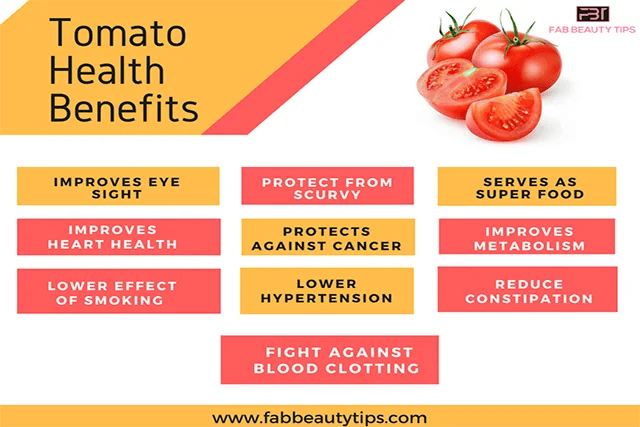
The beauty of the tomato’s nutritional profile lies in this synergy. Lycopene protects, Vitamin C builds, Vitamin A regulates, and Biotin fortifies. They don’t act in isolation but enhance each other’s effects, creating a potent internal defense and rejuvenation system.
Part 3: The Canvas of Life – Skin Health
The skin, our largest organ, is a dynamic and complex barrier, constantly exposed to environmental assaults. It is also the most visible indicator of our internal health. The tomato, through its rich nutritional bounty, offers multifaceted support for maintaining skin’s youthful appearance, resilience, and function.
Fortifying the Protective Barrier and Combating Oxidative Stress
The outermost layer of our skin, the stratum corneum, acts as a crucial barrier, preventing moisture loss and protecting against pathogens and environmental toxins. Oxidative stress, fueled by UV radiation and pollution, compromises this barrier, leading to dehydration, inflammation, and accelerated aging. Lycopene, Vitamin C, and other antioxidants in tomatoes directly combat this by neutralizing free radicals, thereby preserving the integrity of skin cells and supporting a robust barrier function. This means skin that is better hydrated, less prone to irritation, and more resilient to external stressors.
Collagen Synthesis and Anti-Aging Mechanics
The dermis, the layer beneath the epidermis, is rich in collagen and elastin fibers, which provide the skin with its firmness, elasticity, and youthful bounce. As we age, collagen production naturally declines, and existing collagen can be damaged by oxidative stress and enzymatic degradation.
Here, Vitamin C is paramount. As a vital cofactor for the enzymes prolyl hydroxylase and lysyl hydroxylase, it facilitates the cross-linking of collagen fibers, making them strong and stable. Without adequate Vitamin C, collagen would be weak and dysfunctional. Lycopene further contributes by protecting existing collagen from degradation caused by free radicals and inflammatory processes, essentially acting as a shield against the forces that lead to wrinkles and sagging. The combined action ensures both the robust production and the preservation of this essential structural protein.
Enhancing Radiance and Even Tone
Beyond structural integrity, tomatoes contribute to the aesthetic appeal of the skin. The antioxidant power of lycopene and Vitamin C helps to reduce inflammation, which can manifest as redness or uneven skin tone. Vitamin C, as previously mentioned, can also inhibit tyrosinase, an enzyme involved in melanin production, thereby helping to lighten hyperpigmentation, sun spots, and post-inflammatory marks, leading to a brighter, more uniform complexion. The improved cellular health and hydration fostered by tomato nutrients also contribute to a healthy glow, a radiance that emanates from well-nourished cells rather than superficial treatments.
Internal Photoprotection: A Complementary Defense
The concept of lycopene providing "internal sunscreen" warrants deeper discussion for a knowledgeable audience. It’s crucial to reiterate that this does not replace topical sunscreen. However, regular dietary intake of lycopene has been shown in human studies to increase the skin’s minimal erythemal dose (MED), meaning it takes a higher dose of UV radiation to cause redness. This protective effect is attributed to lycopene’s ability to absorb UV energy, quench reactive oxygen species generated by UV exposure, and modulate inflammatory pathways in the skin. It acts as an auxiliary line of defense, reducing the damage that UV rays can inflict, even if it doesn’t prevent them from reaching the skin. This sophisticated mechanism underscores the profound impact of dietary choices on dermatological resilience.
Wound Healing and Repair
The skin is constantly undergoing micro-injuries and requires efficient repair mechanisms. Vitamin C is indispensable for all stages of wound healing, from collagen synthesis in new tissue formation to its anti-inflammatory properties that prevent excessive scarring. The combined antioxidant and anti-inflammatory properties of tomatoes support this crucial regenerative process, ensuring quicker recovery and healthier skin post-trauma.
Part 4: The Crowning Glory – Hair Health
Hair, often called our "crowning glory," is a complex structure rooted in the scalp, a highly vascularized and metabolically active tissue. The health of our hair is a direct reflection of the vitality of our hair follicles and the nutritional status of our bodies. Tomatoes offer a comprehensive array of nutrients that support hair from the root to the tip.
Follicular Fortification and Growth Cycle Support
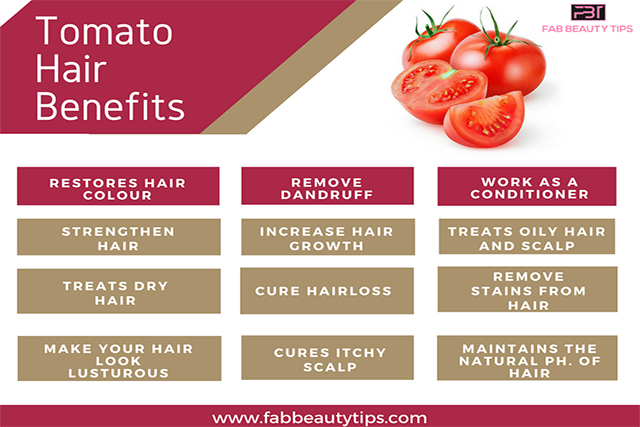
Hair growth originates in the follicles embedded in the scalp, where cells divide rapidly to form the hair shaft. This process demands a steady supply of nutrients and oxygen. The antioxidants in tomatoes, particularly lycopene and Vitamin C, play a critical role in maintaining a healthy scalp environment by reducing oxidative stress and inflammation. Chronic inflammation in the scalp can damage hair follicles, leading to thinning and hair loss. By mitigating this, tomatoes help create an optimal environment for robust hair growth.
Furthermore, Vitamin A, derived from beta-carotene, is essential for cell differentiation and proliferation within the hair follicle, ensuring the proper progression of the hair growth cycle (anagen, catagen, telogen). Biotin, as discussed, is a cornerstone for keratin synthesis, the primary protein component of hair. Adequate biotin ensures that the hair shaft produced by the follicle is strong, resilient, and less prone to breakage.
Enhancing Scalp Circulation and Nutrient Delivery
Healthy hair requires a well-nourished scalp. Potassium in tomatoes contributes to maintaining healthy blood pressure and circulation, which translates to efficient delivery of oxygen and nutrients to the hair follicles via the dermal papilla. Optimal blood flow ensures that the hair matrix cells have all the building blocks they need for rapid and healthy division, leading to faster growth and stronger strands. Any compromise in circulation can starve the follicles, leading to weaker hair and potential shedding.
Protecting Against Oxidative Damage and Environmental Stressors
Just as lycopene protects skin from UV damage, it extends similar protection to the scalp and hair follicles. Hair is constantly exposed to environmental aggressors – UV radiation, pollution, heat styling – all of which generate free radicals that can damage the hair shaft and the underlying follicles. The powerful antioxidant complex in tomatoes acts as an internal shield, reducing this damage. This translates to hair that is less prone to premature graying (which can be linked to oxidative stress on melanin-producing cells), reduced breakage, and enhanced overall strength and shine.
Combating Dryness and Promoting Luster
Vitamin C’s role in collagen synthesis indirectly benefits hair by supporting the connective tissues of the scalp. A healthy scalp is a hydrated scalp, and good hydration is crucial for preventing dryness and flakiness. The overall cellular health promoted by tomato nutrients also contributes to the hair’s natural luster and elasticity, making it less brittle and more manageable. By ensuring healthy sebum production (via Vitamin A) and reducing scalp inflammation, tomatoes help maintain the scalp’s natural oils, which are vital for conditioning the hair from the root.
Part 5: The Telltale Tips – Nail Health
Our fingernails and toenails are often overlooked, yet they are intricate structures composed primarily of keratin, growing from a specialized area called the nail matrix. Like hair, their appearance can offer crucial insights into our overall nutritional status. Tomatoes, through their targeted nutrient profile, contribute significantly to nail strength, growth, and overall health.
Fueling the Nail Matrix and Keratin Production
The nail matrix, located at the base of the nail under the cuticle, is where new nail cells (keratinocytes) are continuously produced. This process of cell division and keratinization is highly demanding metabolically. Biotin, the B vitamin heavily involved in metabolic processes, is unequivocally critical for the robust production of keratin, the protein that forms the hard nail plate. A deficiency in biotin is a well-known cause of brittle nails, characterized by splitting, peeling, and slow growth. By contributing to biotin intake, tomatoes support the nail matrix in generating strong, well-formed keratinocytes.
Vitamin A, derived from beta-carotene, is also essential for the proper differentiation of these keratinocytes, ensuring they mature correctly to form a smooth, resilient nail plate. Folate, another B vitamin, is crucial for rapid cell division, directly supporting the continuous growth of the nail.
Enhancing Strength and Preventing Brittleness
The structural integrity of the nail plate is paramount. Brittle nails, which are prone to chipping, breaking, and peeling, often indicate underlying nutritional deficiencies or damage. Vitamin C contributes to the strength of the nail plate not only by supporting collagen (which is present in the nail bed and surrounding tissues) but also by its antioxidant action, protecting the keratinocytes from oxidative stress that can weaken their structure. The combined effect of adequate keratin production (via Biotin and Vitamin A) and protection from damage (via antioxidants) results in nails that are less fragile, more flexible, and visibly healthier.
Supporting Cuticle Health and Overall Appearance
Healthy cuticles are essential for protecting the nail matrix from infection and damage. The hydration benefits of potassium and the anti-inflammatory properties of lycopene and other phytonutrients contribute to the overall health of the skin surrounding the nail, including the cuticles. Well-hydrated, non-inflamed cuticles support healthier nail growth and prevent issues like hangnails.
The overall vitality imparted by tomato nutrients manifests in nails that are smooth, free from ridges, and possess a healthy, translucent pink hue – a clear sign of good circulation and robust internal health.
Part 6: From Garden to Gut – Maximizing Tomato’s Potential
Understanding the science is one thing; translating it into practical application is another. To truly harness the tomato’s power for hair, skin, and nail health, knowledgeable individuals should be aware of a few key considerations:
Bioavailability: Cooked, Processed, and with Fat
This is perhaps the most unique aspect of tomato nutrition. Unlike many nutrients that are degraded by heat, lycopene’s bioavailability actually increases when tomatoes are cooked, processed, or pureed. The heat breaks down the cell walls, releasing the lycopene and making it more accessible for absorption. Furthermore, as a fat-soluble carotenoid, lycopene absorption is significantly enhanced when consumed with a source of dietary fat.
This means that while fresh tomatoes are certainly beneficial, tomato paste, sauces, purees, and even ketchup (in moderation, due to sugar content) can be superior sources of absorbable lycopene. Pairing them with healthy fats like olive oil (in a pasta sauce), avocado (in a salsa), or nuts/seeds is ideal.
Consistency is Key
Like all dietary interventions for long-term health, consistency is paramount. The protective and regenerative processes supported by tomato nutrients are ongoing. Incorporating tomatoes into your diet regularly, rather than sporadically, will yield the most significant and sustained benefits for hair, skin, and nails.
A Holistic Perspective
While the tomato is a powerhouse, it is not a magic bullet. Optimal hair, skin, and nail health are the culmination of a holistic approach that includes:
- A balanced diet rich in diverse fruits, vegetables, whole grains, and lean proteins.
- Adequate hydration.
- Sufficient sleep.
- Stress management.
- Protection from environmental damage (e.g., topical sunscreen, hats).
- Gentle care for hair, skin, and nails.
The tomato acts as a magnificent cornerstone in this comprehensive wellness strategy, providing targeted nutritional support that visibly enhances our external vitality.
Conclusion: The Enduring Legacy of the Red Sentinel
From its misunderstood origins to its current status as a global culinary marvel, the tomato has undertaken a remarkable journey. But its true odyssey lies within us – a biochemical expedition of lycopene, vitamins, and minerals working tirelessly at a cellular level to fortify our most visible attributes.
For the knowledgeable, the story of the tomato is a compelling reminder that true beauty emanates from within, meticulously built by the nourishment we provide our bodies. It’s a testament to the profound wisdom embedded in nature, offering sophisticated solutions in the most unassuming packages. The humble red orb, once feared as a poison, now stands as a powerful red sentinel, guarding the vitality of our skin, the strength of our hair, and the integrity of our nails.
Embrace the tomato not just as a culinary delight, but as a deliberate choice for sustained wellness. Let its vibrant story inspire your own, as you witness the quiet alchemy of nature transforming internal nourishment into an undeniable, external glow that speaks volumes of health, luster, and longevity. The journey to radiant hair, resilient skin, and strong nails is, quite deliciously, often just a tomato away.