
The human experience, in its vast tapestry of sensations, offers few as universally sought-after and profoundly transformative as orgasm. Beyond its primary biological function of reproduction and its undeniable role in pleasure, there exists a lesser-explored, yet equally compelling facet: its remarkable capacity to alleviate pain. This phenomenon, often colloquially referred to as the "orgasm glow," transcends a mere physical flush, encompassing a deep sense of well-being, calm, and often, a surprising, albeit temporary, respite from physical discomfort. From anecdotal reports of headaches vanishing to the easing of menstrual cramps, the notion of orgasm as a natural painkiller has permeated popular culture, prompting a fascinating scientific inquiry into the intricate neurobiological dance that orchestrates both intense pleasure and profound relief.
To understand how the body, in its moment of peak ecstasy, can simultaneously become its own pharmacy, we must embark on a journey deep into the brain and nervous system. This article will unravel the complex symphony of neurochemicals and hormones, explore the sophisticated pain-modulating pathways activated during climax, and delve into the psychological dimensions that contribute to the "orgasm glow’s" analgesic power. It is a testament to the human body’s profound capacity for self-healing and the intimate intertwining of pleasure and inherent well-being.
Setting the Stage: The Phenomenon of Orgasm
Before dissecting its analgesic properties, it is crucial to appreciate the multifaceted nature of orgasm itself. Far from being a simple reflex, orgasm represents the culmination of the sexual response cycle, a transient peak of intense pleasure characterized by rhythmic muscular contractions, primarily in the pelvic region, alongside a cascade of profound physiological and psychological changes throughout the body. It is a holistic experience involving the central nervous nervous system, cardiovascular system, endocrine system, and musculature, creating a state of altered consciousness that can range from blissful surrender to explosive euphoria.
This intricate event is highly individualized, influenced by a myriad of factors including psychological state, emotional connection, physical health, and environmental context. It is not merely a genital event but a whole-body and mind experience, capable of temporarily eclipsing all other sensory input. This overwhelming sensory and emotional experience lays the groundwork for its potential as a pain modulator, by diverting attention and initiating a powerful internal response that directly impacts pain perception.
The Neurochemical Symphony: A Cascade of Pleasure and Relief
The true marvel of the "orgasm glow" as a painkiller lies in the exquisite neurochemical symphony that erupts during sexual climax. It’s a precisely timed release of various neurotransmitters and hormones, each playing a distinct yet interconnected role in generating pleasure, fostering bonding, and crucially, modulating pain.
1. Dopamine: The Maestro of Motivation and Reward
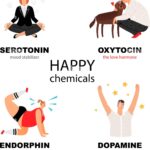
Dopamine, often dubbed the "pleasure molecule," is a primary neurotransmitter of the brain’s reward system. Its levels surge during the anticipation of sexual activity and peak during orgasm. This surge reinforces the pleasurable experience, driving the desire for future sexual encounters. While not directly an analgesic, dopamine’s role in motivation and pleasure indirectly contributes to pain relief by shifting focus. By flooding the brain with sensations of intense reward and gratification, dopamine can effectively ‘override’ or diminish the perception of pain, redirecting neural resources away from discomfort towards exhilaration. It creates a powerful, positive feedback loop that makes the experience intensely desirable and, in doing so, temporarily renders other sensations less prominent.
2. Oxytocin: The "Love Hormone" with an Analgesic Touch
Oxytocin, famously known as the "love hormone" or "cuddle chemical," is released in copious amounts during intimacy, touch, and especially during orgasm. Its primary roles are in promoting social bonding, trust, and relaxation. However, its influence extends significantly into pain modulation. Research indicates that oxytocin possesses direct analgesic properties, particularly in inflammatory and neuropathic pain. It achieves this by interacting with specific receptors in the central nervous system, modulating the release of other neurotransmitters involved in pain pathways, and influencing the activity of descending pain inhibitory pathways from the brainstem. The comforting, bonding aspects of oxytocin also contribute to an overall sense of security and well-being, which can indirectly reduce anxiety and stress—two major amplifiers of pain perception.
3. Endorphins: Nature’s Own Opioids
Perhaps the most direct and potent natural painkillers released during orgasm are endorphins, the body’s endogenous opioids. These neurochemicals are produced in response to stress, fear, pain, vigorous exercise (hence the "runner’s high"), and, significantly, during moments of intense pleasure like orgasm. Endorphins bind to the same opioid receptors in the brain and spinal cord as pharmaceutical opioids like morphine, producing a powerful sense of euphoria, well-being, and significant pain relief. They act by inhibiting the transmission of pain signals from the periphery to the brain, effectively "muting" the pain message. The post-orgasmic surge of endorphins is a primary driver of the blissful, sometimes dreamlike state that follows climax, providing a profound, natural analgesic effect.
4. Serotonin: The Mood Regulator and Pain Modulator
Serotonin is another critical neurotransmitter involved in mood regulation, sleep, appetite, and, importantly, pain modulation. Its role in pain is complex, with both inhibitory and facilitatory effects depending on receptor subtypes and location in the nervous system. During and after orgasm, serotonin levels fluctuate, contributing to feelings of contentment, satiety, and overall well-being. This improvement in mood and reduction in anxiety can significantly alter an individual’s perception of pain. A more positive emotional state generally leads to a higher pain threshold and increased tolerance, making existing pain feel less severe or bothersome.
5. Anandamide: The "Bliss Molecule" and the Endocannabinoid System
The endocannabinoid system (ECS) is a complex cell-signaling system that plays a crucial role in regulating a wide range of functions and processes, including mood, sleep, appetite, memory, and pain. Anandamide, often dubbed the "bliss molecule," is an endocannabinoid naturally produced by the body. Its release is associated with feelings of happiness and well-being, and it surges during orgasm. Anandamide binds to cannabinoid receptors (CB1 and CB2) throughout the brain and body, much like the active compounds in cannabis. This interaction produces effects such as euphoria, relaxation, and potent pain relief. The transient nature of anandamide, being quickly broken down, might explain the short-lived but intense analgesic effects experienced during and immediately after orgasm, providing a natural, self-regulating cannabis-like system within our bodies.
6. Norepinephrine: Arousal and Its Aftermath
Norepinephrine, both a hormone and a neurotransmitter, is responsible for increasing heart rate, blood pressure, and alertness. It contributes to the intense arousal and excitement leading up to and during orgasm. While it primarily enhances the intensity of the experience, its subsequent decrease post-climax contributes to the relaxation phase. Like serotonin, norepinephrine has a dual role in pain modulation; it can either enhance or inhibit pain depending on the specific receptor types and brain regions involved. During orgasm, its excitatory role contributes to the overwhelming sensory input, which can distract from pain, while its post-orgasmic reduction helps transition into a relaxed, less pain-sensitive state.
7. Prolactin: The Post-Orgasmic Soother
Prolactin levels rise significantly after orgasm, particularly in men, and are associated with the refractory period and feelings of satiation and deep relaxation. Beyond its reproductive functions, prolactin has been shown to possess analgesic properties. High prolactin levels can contribute to a sense of calmness and sleepiness often experienced post-coitally, which can further aid in reducing pain perception and promoting overall physical and mental rest.
8. GABA and Glutamate: The Balance of Excitation and Inhibition
These are the brain’s primary inhibitory (GABA) and excitatory (glutamate) neurotransmitters. During orgasm, the delicate balance between excitation and inhibition shifts dramatically. While glutamate activity is high during arousal, contributing to sensory processing, GABAergic activity increases significantly post-orgasm. This surge in GABA contributes to the profound relaxation and sedation, effectively dampening neural activity and potentially inhibiting pain signals.
The Pain Pathway Interruption: How it Works
The synergistic action of these neurochemicals and hormones doesn’t just flood the brain with pleasure; it actively intervenes in the body’s pain processing systems.
1. Activation of Descending Pain Inhibitory Pathways (DPIP):
The brain is not a passive recipient of pain signals; it can actively modulate them. One of the most sophisticated mechanisms is the activation of the descending pain inhibitory pathways (DPIP). These pathways originate in brain regions like the periaqueductal gray (PAG) and rostral ventromedial medulla (RVM), extending down to the spinal cord. During orgasm, these pathways are powerfully activated, releasing neurotransmitters like serotonin and norepinephrine (in an inhibitory context) and endogenous opioids that suppress the transmission of pain signals at the spinal cord level. Essentially, the brain sends a strong "stop" signal to incoming pain messages.
2. Gate Control Theory (Conceptual Framework):
While primarily applied to acute pain, the conceptual framework of the Gate Control Theory of Pain helps illustrate how orgasm might work. This theory posits that non-noxious input can "close the gate" to pain signals. The intense, overwhelming pleasurable input during orgasm can be seen as a massive "non-noxious" signal that floods the nervous system, effectively closing the gate to less potent pain signals and preventing them from reaching conscious perception in the brain.
3. Direct Receptor Activation:
As discussed, endorphins directly bind to opioid receptors, and anandamide to cannabinoid receptors, both of which are critical in the modulation of pain. This direct binding mechanism in various parts of the brain and spinal cord provides immediate and potent analgesic effects.
4. Vasodilation and Muscle Relaxation:
The physical components of sexual arousal and orgasm also play a role. Increased blood flow (vasodilation) to various tissues, coupled with the subsequent deep muscle relaxation after climax, can directly alleviate certain types of pain. Tension headaches, for instance, are often caused by constricted blood vessels and muscle tension, both of which can be eased by the physiological changes accompanying orgasm. Similarly, menstrual cramps, caused by uterine contractions, can be alleviated by improved blood flow and generalized relaxation.
5. Distraction and Cognitive Override:
The sheer intensity and immersive nature of orgasm provide a powerful distraction from pain. The brain’s attentional resources are almost entirely consumed by the pleasurable sensations, emotional surge, and physiological responses of climax. This cognitive override effectively shifts the brain’s focus away from pain signals, offering a temporary but significant respite.
Beyond the Chemical Cocktail: Psychological and Emotional Dimensions
While the neurochemical and physiological mechanisms are profound, the "orgasm glow’s" pain-relieving effects are not solely biological. Psychological and emotional factors significantly amplify its analgesic potential.
1. Stress Reduction:
Chronic pain is notoriously exacerbated by stress. The sustained release of stress hormones like cortisol can increase inflammation and heighten pain sensitivity. Orgasm, by inducing deep relaxation and releasing mood-enhancing neurotransmitters, acts as a potent stress reliever. Reducing psychological stress can lower the body’s overall pain sensitivity and improve coping mechanisms.
2. Improved Mood and Emotional Well-being:
The surge of dopamine, serotonin, and endorphins creates a profound sense of well-being and elevated mood. A positive emotional state can significantly alter pain perception. When individuals feel happier, more content, and less anxious, their pain threshold often increases, and they are better able to tolerate existing discomfort. The psychological boost itself becomes a form of analgesia.
3. Distraction from Pain:
As mentioned, the intense focus required for and generated by orgasm acts as a powerful cognitive distraction. For those living with chronic pain, any period where their attention is diverted from their suffering is invaluable. Orgasm provides a compelling, positive, and all-encompassing distraction that can offer a much-needed mental break.
4. Sense of Control and Empowerment:
For individuals grappling with chronic pain, feelings of helplessness and loss of control are common. Discovering an internal, natural mechanism for temporary relief can be incredibly empowering. It offers a sense of agency over one’s body and pain experience, shifting the locus of control and fostering a more proactive approach to well-being.
5. The Role of Intimacy and Connection:
For many, orgasm is experienced within a context of intimacy, be it with a partner or through self-pleasure. Intimacy itself brings a host of benefits: social support, reduced feelings of isolation, and emotional security. These psychological buffers against stress and negative emotions can indirectly reduce pain perception and enhance overall resilience. The feeling of being loved and connected can be a powerful balm for both physical and emotional wounds.
Clinical Glimmers: Research and Anecdotes
Despite the compelling anecdotal evidence and robust theoretical framework, rigorous scientific study into orgasm as a painkiller faces unique challenges. The private nature of sexual activity, ethical considerations, and the variability of individual experiences make large-scale, controlled clinical trials difficult to conduct. Nevertheless, existing research and widespread personal accounts offer tantalizing glimpses into its potential.
Numerous individuals report that sexual activity and orgasm can alleviate headaches, particularly migraines. One study, for instance, found that a significant number of migraine sufferers experienced relief from their symptoms during sexual activity. Similarly, the relief of menstrual pain (dysmenorrhea) through orgasm is a widely reported anecdotal phenomenon, likely due to the combination of muscle relaxation, vasodilation, and the release of pain-modulating neurochemicals. Some individuals with chronic back pain or other persistent discomforts also report temporary relief following orgasm.
It is crucial to note that these are often small studies, surveys, or individual reports, not definitive proof of efficacy across all pain types for all individuals. However, they provide a strong foundation for further investigation into a natural phenomenon that is freely accessible and without the side effects of many pharmaceutical interventions.
The Future Frontier: Research and Therapeutic Potential
The profound mechanisms underlying the "orgasm glow" as a painkiller open exciting avenues for future research and potentially innovative therapeutic strategies.
1. More Rigorous Scientific Inquiry:
There is a pressing need for more sophisticated and ethically designed studies. Advances in neuroimaging (fMRI) and neurochemical analysis could allow researchers to observe brain activity and neurotransmitter levels during self-induced orgasm or controlled sexual activity in a laboratory setting, providing objective data on its analgesic effects. This could involve studying different types of pain, different demographics, and varying contexts of sexual activity.
2. Novel Pharmaceutical Targets:
A deeper understanding of how the body naturally produces its own potent opioids (endorphins) and cannabinoids (anandamide) during orgasm could lead to the development of new classes of pain medications. These drugs could be designed to mimic or enhance the body’s natural pain-modulating systems, potentially offering effective relief with fewer side effects than current opioid-based treatments. Identifying the specific receptors and pathways involved could unlock novel drug designs.
3. Non-Pharmacological Pain Management Strategies:
Could understanding the "orgasm glow" lead to the development of complementary, non-pharmacological pain management strategies? While "prescribing" orgasm is ethically and practically complex, educating individuals about their body’s inherent capacity for pleasure-induced pain relief could be empowering. For those who find it effective, it could become a valuable personal tool in their pain management toolkit, particularly for conditions where stress and mood play a significant role. This is not about replacing traditional medicine but complementing it with a holistic approach that acknowledges the mind-body connection.
Limitations and Nuances
While the potential of the "orgasm glow" is compelling, it is essential to approach this topic with a clear understanding of its limitations and nuances.
1. Not a Universal Panacea: Orgasm is not a magic bullet for all pain. Its effects are often temporary, and its efficacy varies greatly among individuals and types of pain. For severe, acute trauma or certain neuropathic pains, its impact might be minimal.
2. Individual Variability: Factors such as psychological state, the context of sexual activity, relationship dynamics, personal history, and the specific type and intensity of pain all influence the outcome. What provides profound relief for one person might offer little to no benefit for another.
3. Ethical and Practical Challenges: While understanding the science is valuable, recommending orgasm as a primary clinical treatment presents significant ethical and practical hurdles. It is a deeply personal and private experience that cannot be universally prescribed or guaranteed. The focus should remain on scientific understanding and empowering individuals with knowledge about their own bodies.
4. The "Post-Orgasm Hangover": Some individuals experience post-orgasmic dysphoria, fatigue, or irritability, which could counteract any pain relief. These individual responses highlight the complexity of the human sexual experience.
5. The Challenge of Measurement: Quantifying the subjective experience of pleasure and pain relief during such a transient and intimate event remains a significant methodological challenge for researchers.
Conclusion: The Body’s Innate Wisdom
The "orgasm glow" stands as a profound testament to the intricate wisdom and self-regulating capacity of the human body. Far from being merely a conduit for pleasure and reproduction, orgasm unveils itself as a sophisticated biological process capable of orchestrating a powerful, natural analgesic response. Through a meticulously timed cascade of neurochemicals – dopamine, oxytocin, endorphins, serotonin, anandamide, and more – the brain actively engages its own pain-modulating pathways, offering a temporary, yet often profound, respite from physical discomfort.
This phenomenon underscores the inseparable connection between our physical sensations, our emotional states, and our brain’s capacity for healing. It highlights how the pursuit of pleasure, intimacy, and connection can, in turn, unlock the body’s inherent ability to soothe itself. While not a universal cure, the "orgasm glow" is a remarkable demonstration of our physiological complexity, reminding us that within our own biology lies a vast, untapped potential for well-being. As science continues to peer into these private wonders, the story of the "orgasm glow" offers not just a fascinating insight into human sexuality, but a compelling narrative of the body’s innate capacity to find solace and healing even in its moments of ultimate ecstasy. The body, in its pursuit of connection and bliss, truly holds many keys to its own profound healing.