
In the grand, intricate theatre of human existence, there are few phenomena as universally understood yet profoundly underestimated as physical affection. From the tender touch of a mother soothing her child to the passionate embrace of lovers, the comforting pat on the back of a friend, or the firm handshake of respect, these gestures are woven into the very fabric of our social and emotional lives. But beneath the surface of these seemingly simple acts lies an astonishingly complex biochemical ballet, a sophisticated "natural pharmacy" orchestrated by our own bodies, capable of profound healing, bonding, and well-being.
For millennia, humans intuitively understood the power of touch. Healers laid hands on the sick, priests offered blessings through contact, and communities solidified bonds through shared physical rituals. Yet, it is only in relatively recent history that science has begun to peel back the layers, revealing the astonishing molecular mechanisms that transform a simple caress into a potent therapeutic agent. This is not merely poetry; it is hard science, charting the intricate pathways through which our brains and bodies synthesize, release, and respond to a cocktail of neurochemicals, each playing a critical role in our physical and psychological health.
Our journey into this natural pharmacy begins not with a prescription, but with a touch – a spark that ignites a cascade of events, echoing an evolutionary imperative deeply embedded in our DNA.
The Evolutionary Blueprint: Why We Crave Connection
Long before the advent of language, abstract thought, or complex societal structures, the need for physical proximity and touch was a matter of survival. Consider the earliest mammals: helpless, vulnerable offspring utterly dependent on their mothers for warmth, sustenance, and protection. The act of suckling, the constant contact in the nest, the grooming and huddling – these weren’t merely functional; they were critical for regulating body temperature, initiating physiological processes, and fostering the deep, primal bond necessary for the survival of the species.
This evolutionary pressure sculpted our nervous systems, hardwiring us for connection. The skin, our largest organ, is a marvel of sensory receptors, a vast communication network. Specialized nerve endings, particularly C-tactile afferents (CT afferents), are uniquely tuned to detect gentle, slow, skin-on-skin contact – precisely the kind of touch associated with affection. These CT afferents bypass the rapid "warning" system of pain and pressure, instead relaying their signals to the insular cortex, a brain region associated with emotion, self-awareness, and interoception (the sense of the physiological condition of the body). This direct line to our emotional core highlights that affective touch is not just about sensation; it’s about feeling, about connection, about fundamental well-being.
From this primordial crucible, a sophisticated internal pharmacy emerged, designed to reward bonding, alleviate distress, and promote social cohesion. The "drugs" in this pharmacy are endogenous – manufactured within our own bodies – and their effects are often more nuanced and integrated than any synthetic counterpart.
The Star Pharmacists: A Symphony of Neurochemicals
The natural pharmacy of physical affection is no solo act; it’s an orchestra, a symphony of neurochemicals working in concert. While many molecules play a part, a few stand out as the principal "pharmacists" dispensing their potent elixirs.
1. Oxytocin: The Elixir of Bonding and Trust
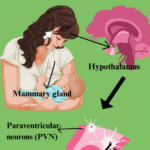
If there is a flagship molecule in our natural pharmacy of affection, it is undoubtedly oxytocin. Often dubbed the "love hormone" or "cuddle chemical," its influence extends far beyond mere romance. Synthesized in the hypothalamus and released by the posterior pituitary gland, oxytocin’s release is powerfully stimulated by touch, warmth, sexual activity, childbirth, and lactation.
Its effects are multifaceted:
- Social Bonding: Oxytocin is central to pair-bonding, maternal-infant attachment, and general social affiliation. It promotes feelings of closeness and connection, not just with romantic partners but also with friends and family.
- Trust and Empathy: Studies have shown that oxytocin can increase trust in others, making individuals more willing to open up and cooperate. It enhances our ability to recognize and share the feelings of others, fostering empathy.
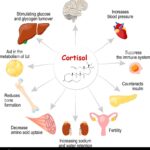
- Stress Reduction: One of oxytocin’s most potent effects is its ability to tamp down the body’s stress response. It inhibits the release of cortisol (the primary stress hormone) and adrenaline, reducing feelings of anxiety and promoting a sense of calm and safety.
- Anti-inflammatory Effects: Emerging research suggests oxytocin may have anti-inflammatory properties, contributing to overall physiological well-being.
- Pain Modulation: While not a primary analgesic, oxytocin can influence pain perception, particularly in social contexts, by reducing anxiety associated with pain.
Consider a mother holding her newborn. The skin-to-skin contact, the suckling – these acts trigger a flood of oxytocin in both mother and child. For the mother, it deepens her maternal instincts, reduces postpartum stress, and facilitates lactation. For the infant, it regulates heart rate, breathing, and temperature, promoting growth and a secure attachment that forms the bedrock of future emotional health. In adults, a comforting hug from a loved one after a stressful day similarly bathes the brain in oxytocin, dissolving tension and reinforcing the bond. It is the chemical embodiment of "you are safe, you are loved, you are not alone."
2. Dopamine: The Architect of Reward and Pleasure
While oxytocin fosters connection, dopamine provides the powerful drive and reward that compels us to seek out and repeat affectionate interactions. This neurotransmitter is a cornerstone of the brain’s reward system, particularly the mesolimbic pathway. When we experience something pleasurable – food, sex, achievement – dopamine neurons fire, signaling to the brain that this is a valuable experience worth repeating.
Physical affection, especially in the context of emerging romance or deep connection, triggers significant dopamine release:
- Anticipation and Craving: The mere thought or anticipation of physical affection can elevate dopamine levels, creating a feeling of excitement and desire. This is why we "crave" a hug or a kiss.
- Pleasure and Euphoria: The act itself, a tender kiss or a prolonged embrace, floods the brain with dopamine, generating feelings of intense pleasure and even mild euphoria. This positive reinforcement ensures that we actively seek out these experiences.
- Motivation for Bonding: Dopamine’s role in the reward pathway reinforces the pursuit of social connection, turning affection into a powerful motivator for relationship formation and maintenance.
Dopamine doesn’t just make us feel good; it makes us want to feel good again. It’s the engine behind the passionate pursuit of love and the enduring desire for companionship, ensuring that the natural pharmacy is frequently restocked and utilized.
3. Endorphins: Nature’s Own Opioids
The "feel-good" factor of physical affection also owes much to endorphins, a class of endogenous opioid peptides. These remarkable molecules are structurally similar to opioid drugs like morphine, and they bind to the same receptors in the brain, producing powerful effects:
- Pain Relief: Endorphins are potent natural analgesics. The comfort derived from physical affection can literally diminish physical pain, much like a mild painkiller.
- Euphoria and Well-being: Beyond pain relief, endorphins contribute to feelings of well-being, tranquility, and even a mild sense of euphoria – akin to the "runner’s high."
- Stress Reduction: By modulating the perception of stress and discomfort, endorphins further contribute to the calming effects of affection.
Imagine holding a crying child. The act of rocking, stroking, and comforting not only releases oxytocin to build trust but also endorphins to alleviate the child’s distress, both physical and emotional. In adults, the comforting squeeze of a hand during a difficult moment can activate these pathways, providing a quiet, internal balm.
4. Serotonin: The Stabilizer of Mood and Calm
Serotonin, another crucial neurotransmitter, is widely known for its role in mood regulation, sleep, appetite, and overall feelings of well-being. While not directly released by touch in the same acute way as oxytocin or dopamine, consistent, positive physical affection contributes to healthy serotonin levels over time.
- Mood Elevation: Sufficient serotonin is associated with feelings of happiness, calm, and contentment. Chronic deprivation of affection, conversely, can lead to lower serotonin levels, contributing to feelings of loneliness and depression.
- Anxiety Reduction: By promoting emotional stability, serotonin helps to counteract anxiety and irritability, making individuals more resilient to stress.
Physical affection acts as a behavioral trigger that supports the neural circuits reliant on serotonin. A stable, affectionate relationship provides a consistent source of positive emotional input, helping to maintain the delicate balance of this vital neurotransmitter.
5. Vasopressin: The Partner-Bonding Reinforcer
Often working in tandem with oxytocin, vasopressin (also known as antidiuretic hormone) plays a distinct but critical role, particularly in male bonding and the maintenance of long-term relationships. While oxytocin is associated with the initial rush of bonding, vasopressin is implicated in the more sustained, protective aspects of pair-bonding and territoriality.
- Monogamous Behavior: In some species (like prairie voles, a model for monogamy), vasopressin is crucial for the formation of lifelong pair bonds, particularly in males.
- Protective Instincts: It is linked to increased vigilance and protective behaviors towards a partner or offspring.
- Stress Response Modulation: Like oxytocin, vasopressin can also influence the stress response, though its effects are more complex and context-dependent.
The intertwining roles of oxytocin and vasopressin highlight the nuanced chemistry of love and attachment, where initial attraction matures into enduring commitment, reinforced by subtle biochemical shifts.
6. Cortisol and Adrenaline: The Stress Antagonists
Crucially, the natural pharmacy of physical affection also functions by reducing the presence of undesirable chemicals. Cortisol and adrenaline (epinephrine) are the primary hormones of the stress response, flooding the body in times of perceived threat. While essential for acute survival, chronic elevation of these hormones is detrimental to health, leading to inflammation, suppressed immune function, cardiovascular strain, and mental health issues.
Physical affection acts as a powerful antagonist to this stress cascade:
- Lowered Cortisol: Studies consistently show that receiving affectionate touch, such as a hug, can significantly lower circulating cortisol levels. This biochemical "sigh of relief" reduces the physiological burden of stress.
- Reduced Heart Rate and Blood Pressure: The calming effects of affection, mediated by oxytocin and endorphins, lead to a measurable decrease in heart rate and blood pressure, counteracting the sympathetic nervous system activation caused by stress hormones.
By actively downregulating the stress response, physical affection doesn’t just make us feel better in the moment; it provides a vital protective mechanism against the long-term, damaging effects of chronic stress.
The Brain’s Embrace: A Network of Love
These neurochemicals don’t operate in isolation; they exert their effects by interacting with specific receptors on neurons in various brain regions, forming an intricate network of love and connection. Key areas involved include:
- Hypothalamus: The control center for hormone release, including oxytocin and vasopressin.
- Amygdala: Involved in processing emotions, particularly fear and anxiety. Affection can reduce amygdala activity, leading to a sense of safety.
- Nucleus Accumbens and Ventral Tegmental Area: Core components of the brain’s reward pathway, rich in dopamine receptors.
- Insular Cortex: Processes internal bodily states and emotional awareness, receiving signals from CT afferents.
- Prefrontal Cortex: Involved in complex social cognition, empathy, and decision-making, which are enhanced by oxytocin.
This interconnectedness means that a single act of affection can ripple through multiple brain circuits, influencing our emotional state, social behavior, and physiological well-being in a holistic manner. It’s a beautifully choreographed dance where each chemical and brain region plays its part, contributing to the profound human experience of connection.
The Therapeutic Power: Affection as Medicine
Understanding the biochemistry of physical affection moves it beyond a mere pleasantry and firmly into the realm of therapeutic intervention. The "drugs" from our natural pharmacy offer tangible benefits that rival, and often surpass, synthetic medications in their integrative approach.
1. Stress and Anxiety Management:
In our high-stress world, affection offers a readily available antidote. Regular physical contact can reduce daily stress, lower anxiety levels, and even mitigate the physiological impact of traumatic experiences. For individuals suffering from PTSD, carefully administered touch therapies can help rewire neural pathways, fostering a sense of safety and reducing hypervigilance.
2. Pain Relief:
Beyond its emotional comfort, touch has a measurable impact on pain. The release of endorphins and oxytocin can raise pain thresholds and reduce the subjective experience of pain, making it a valuable adjunctive therapy for chronic pain conditions, childbirth, or acute injuries.
3. Enhanced Immune Function:
The chronic stress response, marked by elevated cortisol, suppresses the immune system. By reducing stress, physical affection indirectly boosts immunity. Studies have shown that people who receive more hugs are less likely to get sick, and if they do, their symptoms are less severe. This suggests a direct link between social support, affection, and our body’s ability to fight off pathogens.
4. Cardiovascular Health:
The stress-reducing effects of affection extend to the heart. Lowered cortisol and reduced sympathetic nervous system activity translate to lower heart rates and blood pressure. Regular affectionate contact can contribute to better cardiovascular health over the long term, reducing the risk of heart disease.
5. Mental Health and Well-being:
For conditions like depression, loneliness, and social isolation, physical affection is a powerful countermeasure. It provides a sense of belonging, validates emotional experiences, and activates the reward systems that are often dysregulated in mood disorders. For infants, consistent affectionate touch is crucial for healthy brain development and the formation of secure attachment, which predicts lifelong mental resilience.
6. Improved Sleep Quality:
By promoting relaxation and reducing anxiety, physical affection can significantly improve sleep quality. A comforting touch before bed can calm the nervous system, making it easier to fall asleep and achieve deeper, more restorative rest.
7. Deeper Social Bonds and Empathy:
Affection isn’t just about individual well-being; it’s the glue of society. By fostering trust, empathy, and cooperation, it strengthens families, communities, and even international relations. It helps us see the humanity in others, bridging divides and building bridges.
The Dark Side of Deprivation: When the Pharmacy is Empty
The profound benefits of physical affection highlight the equally profound consequences of its absence. Social isolation, lack of touch, and emotional neglect can have devastating impacts on physical and mental health. Studies on "failure to thrive" in institutionalized infants deprived of touch, or the increased mortality rates among adults experiencing loneliness, underscore the critical role of affection.
When the natural pharmacy is consistently empty, the body remains stuck in a state of stress. Cortisol levels stay elevated, dopamine pathways become sluggish, and oxytocin receptors may become less sensitive. This can lead to:
- Increased risk of anxiety, depression, and other mental health disorders.
- Weakened immune system and higher susceptibility to illness.
- Increased inflammation and chronic pain.
- Higher risk of cardiovascular disease.
- Difficulties in forming and maintaining social relationships.
This understanding lends urgency to addressing the growing epidemic of loneliness in modern society. We are wired for connection, and its deprivation leaves a gaping hole in our biochemical and psychological landscape.
Cultivating the Pharmacy: A Call to Action
The good news is that our natural pharmacy is always open and ready for business. Cultivating its potent remedies requires conscious effort, but the investment yields immense returns.
- Embrace Everyday Touch: Simple gestures like hugs, hand-holding, a pat on the shoulder, or even a comforting arm around a loved one can make a significant difference.
- Prioritize Quality Time: Engage in activities that naturally lead to physical closeness and shared experience.
- Consider Therapeutic Touch: Practices like massage therapy, yoga with adjustments, or even mindful self-touch can activate these beneficial biochemical pathways.
- Connect with Animals: Petting a dog or cat has been shown to release oxytocin in both humans and animals, offering a non-human source of affection.
- Be Present: The quality of touch matters. Mindful, intentional affection, where one is fully present with the other, amplifies its biochemical effects.
In a world increasingly mediated by screens and digital interactions, the fundamental human need for physical affection remains. It is not a luxury but a biological imperative, a vital nutrient for our brains and bodies.
Conclusion: The Enduring Power of Human Connection
The biochemistry of physical affection is a testament to the elegant design of the human organism. Our bodies are equipped with a sophisticated internal pharmacy, capable of synthesizing powerful compounds that reduce stress, alleviate pain, foster bonding, and promote overall well-being. Oxytocin, dopamine, endorphins, serotonin, and vasopressin are not merely scientific terms; they are the molecular language of love, compassion, and human connection.
To understand this biochemistry is to gain a deeper appreciation for the profound impact of a simple touch, a heartfelt hug, or a tender kiss. These acts, far from being trivial, are deeply rooted in our evolutionary history, intricately woven into our neural architecture, and indispensable for our health and happiness. As we navigate the complexities of modern life, let us remember the wisdom of our bodies, the power of our natural pharmacy, and the enduring, transformative magic of physical affection. It is, after all, the oldest and most effective medicine known to humankind.