
The modern world, with its relentless pace, incessant demands, and the pervasive hum of digital notifications, has cast a long shadow over human well-being: chronic stress. It’s a silent epidemic, creeping into our lives, subtly eroding our health, and dulling the vibrancy of our existence. At the heart of this physiological siege lies cortisol, the body’s primary stress hormone, an ancient survival mechanism now often stuck in overdrive. Yet, amidst this pervasive challenge, humanity possesses a potent, inherently biological antidote: intimacy.
This is not merely a philosophical musing or a feel-good platitude. This is a story woven into the very fabric of our biology, a narrative told by neurotransmitters, hormones, and immune cells. It’s the compelling tale of how deep, meaningful connection, in its myriad forms, acts as a profound physiological reset, specifically lowering cortisol levels and, in turn, fortifying the body’s intricate immune defenses. For the knowledgeable mind, the mechanisms are as fascinating as the outcomes are vital.
The Shadow of Stress: Understanding the Cortisol Cascade
To truly appreciate the power of intimacy, we must first understand the antagonist: chronic stress and its hormonal proxy, cortisol. Cortisol is a glucocorticoid steroid hormone produced by the adrenal glands, small organs perched atop the kidneys. Its release is orchestrated by the hypothalamic-pituitary-adrenal (HPA) axis, a complex neuroendocrine system that serves as the body’s central stress response system.
In an acute, threatening situation – say, encountering a predator in our ancestral past – the HPA axis springs into action. The hypothalamus, a command center in the brain, releases corticotropin-releasing hormone (CRH), which signals the pituitary gland to release adrenocorticotropic hormone (ACTH). ACTH then travels through the bloodstream to the adrenal glands, prompting them to secrete cortisol. This surge of cortisol, alongside adrenaline, prepares the body for "fight or flight." It mobilizes glucose for immediate energy, suppresses non-essential functions like digestion and reproduction, and temporarily enhances memory and pain threshold. It is, quite literally, a lifesaver.
The problem, however, arises when this acute, adaptive response becomes a chronic state. In the 21st century, the "predators" are often metaphorical: looming deadlines, financial anxieties, relationship conflicts, societal pressures, information overload, and even the relentless pursuit of perfection. Our ancient stress response system, designed for short bursts of intense activity, is ill-equipped for this sustained onslaught.
When cortisol levels remain elevated for prolonged periods, the physiological consequences are profound and pervasive. It disrupts the delicate balance of virtually every system in the body:
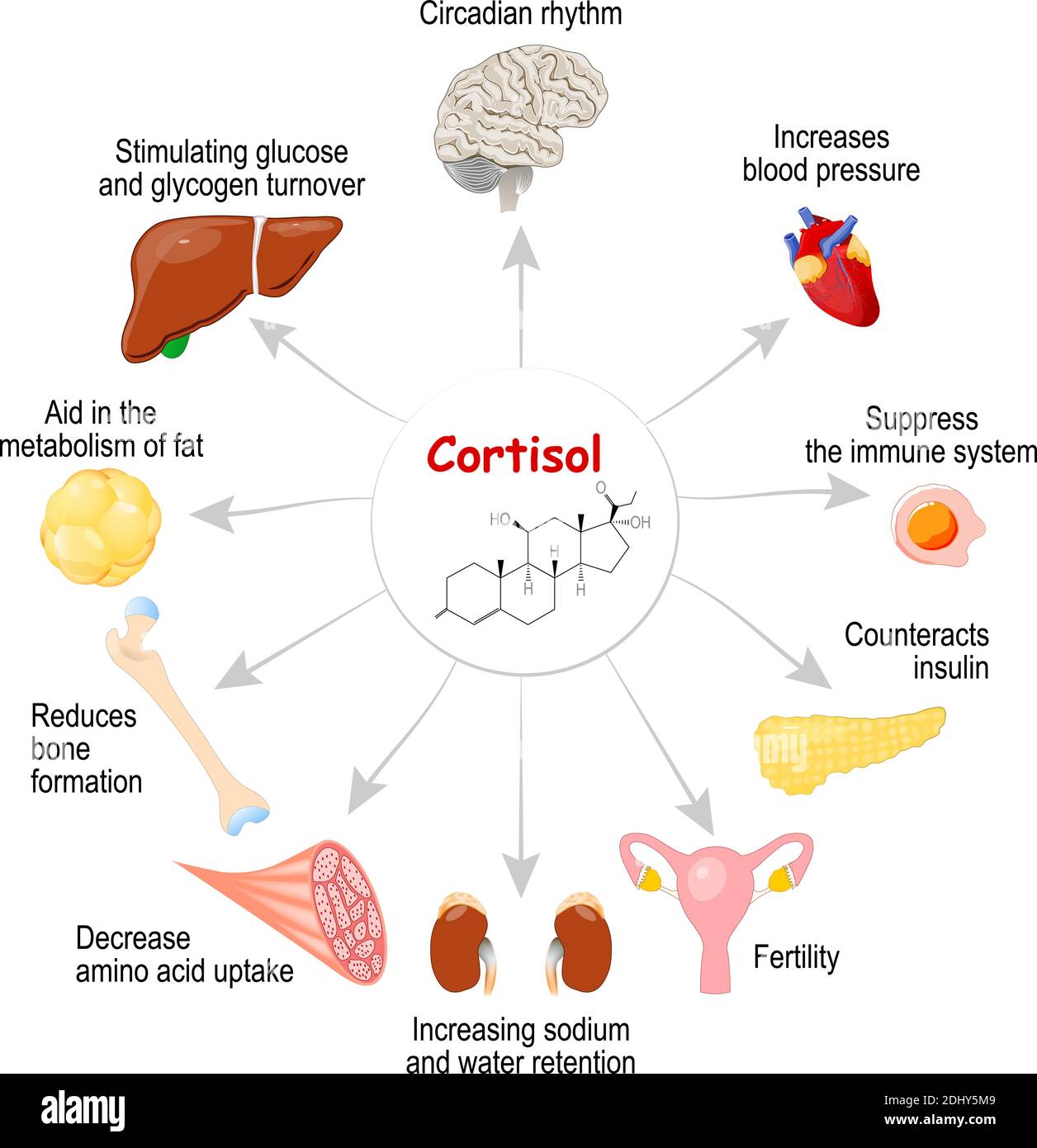
- Immune System Suppression: Perhaps the most critical impact, chronic high cortisol actively suppresses the immune system. It reduces the production of lymphocytes (white blood cells crucial for fighting infection), impairs antibody responses, and decreases the activity of natural killer (NK) cells, which are vital for identifying and destroying virus-infected cells and cancer cells. It also promotes a pro-inflammatory state, even as it suppresses the adaptive immune response, creating a paradoxical vulnerability.
- Metabolic Dysregulation: Chronic cortisol promotes fat storage, particularly visceral fat around the abdomen. It can lead to insulin resistance, increasing the risk of type 2 diabetes, and can contribute to elevated blood pressure and cholesterol levels.
- Cognitive Impairment: Sustained cortisol exposure can damage the hippocampus, a brain region crucial for memory and learning, leading to difficulties with concentration, memory recall, and executive function.
- Mood Disorders: High cortisol is strongly linked to anxiety, depression, and increased irritability. It can disrupt neurotransmitter balance, particularly serotonin and dopamine.
- Sleep Disturbances: Cortisol naturally follows a diurnal rhythm, peaking in the morning to wake us up and gradually declining throughout the day. Chronic stress flattens this curve or keeps levels high at night, leading to insomnia and poor sleep quality, further exacerbating all other negative effects.
- Inflammation: While cortisol has anti-inflammatory properties in acute settings, chronic exposure can paradoxically lead to systemic low-grade inflammation, a root cause of many chronic diseases, including cardiovascular disease, autoimmune conditions, and neurodegenerative disorders.
In essence, chronic cortisol turns the body’s survival mechanism against itself, dismantling its defenses and accelerating cellular wear and tear. It leaves us vulnerable, exhausted, and disconnected from our innate capacity for resilience.
The Intimacy Imperative: A Biological Antidote
Enter intimacy. Often misunderstood as solely romantic or sexual, intimacy, in its broader and more profound sense, is the state of deep personal connection and closeness. It encompasses vulnerability, trust, mutual understanding, shared experience, and genuine presence. It is the recognition of shared humanity and the willingness to open oneself to another, whether a partner, a friend, a family member, or even a community.
The revolutionary insight, increasingly supported by robust scientific evidence, is that this deep connection is not merely a psychological comfort; it is a powerful physiological modulator. Intimacy directly counteracts the cortisol cascade, actively dampening the HPA axis, promoting relaxation, and orchestrating a symphony of beneficial neurochemical changes that bolster our immunity.
The Neurobiological Symphony: How Intimacy Works Its Magic
The mechanism by which intimacy lowers cortisol and boosts immunity is a fascinating interplay of hormones, neurotransmitters, and neural pathways.
1. Oxytocin: The Maestro of Connection
At the heart of intimacy’s power lies oxytocin, often dubbed the "love hormone" or "cuddle hormone." Produced in the hypothalamus and released by the pituitary gland, oxytocin surges during physical touch, eye contact, shared laughter, breastfeeding, and sexual activity. Its effects are far-reaching:
- HPA Axis Dampening: Oxytocin directly inhibits the activity of the HPA axis. It reduces the release of CRH from the hypothalamus and ACTH from the pituitary, thereby decreasing the subsequent production of cortisol from the adrenal glands. This is a direct, physiological "off switch" for the stress response.
- Amygdala Modulation: The amygdala is the brain’s alarm center, responsible for processing fear and threat. Oxytocin has been shown to reduce amygdala activity, lessening feelings of anxiety and fear, and promoting a sense of safety and calm.
- Social Bonding and Trust: Oxytocin enhances prosocial behaviors, promoting empathy, trust, and attachment. This creates a positive feedback loop: the more connected we feel, the more oxytocin is released, further reinforcing those bonds and reducing the perceived threat of social isolation, a significant stressor.
- Anti-inflammatory Effects: Emerging research suggests oxytocin may also possess direct anti-inflammatory properties, further contributing to overall health.
Consider a simple hug: a genuine, 20-second embrace has been shown to significantly reduce cortisol levels and blood pressure. The skin-to-skin contact, the pressure, the warmth, all signal safety and connection, triggering oxytocin release and calming the nervous system.
2. The Vagus Nerve: The Bridge to Calm
The vagus nerve is the longest cranial nerve, a superhighway connecting the brain to most major organs, including the heart, lungs, and gut. It is a crucial component of the parasympathetic nervous system, responsible for the "rest and digest" response – the physiological opposite of "fight or flight."
Intimacy, particularly through activities like deep conversation, shared laughter, physical touch, and eye contact, stimulates the vagus nerve. This stimulation leads to:
- Heart Rate Variability (HRV) Improvement: A higher HRV indicates a more resilient and adaptable nervous system. Vagal stimulation through connection improves HRV, signaling better physiological regulation and stress coping.
- Reduced Inflammation: The vagus nerve has a direct anti-inflammatory pathway, often called the "cholinergic anti-inflammatory pathway." When stimulated, it releases acetylcholine, which can suppress the production of pro-inflammatory cytokines, reducing systemic inflammation.
- Enhanced Relaxation: Vagal activation slows heart rate, lowers blood pressure, and promotes a sense of calm and well-being, directly counteracting the physiological arousal of the stress response.
The feeling of being "heard" or "seen" by another person, the resonance of shared emotion, sends powerful signals through the vagus nerve, signaling safety and promoting physiological down-regulation of stress.
3. Dopamine and Serotonin: The Mood Boosters
Intimacy also influences other key neurotransmitters:
- Dopamine: The "reward" neurotransmitter. Shared positive experiences, acts of kindness, and expressions of affection can trigger dopamine release, creating feelings of pleasure and motivation, reducing the perception of stress, and fostering a desire for more connection.
- Serotonin: Crucial for mood regulation, sleep, and appetite. Stable, secure relationships and intimate connections contribute to healthier serotonin levels, counteracting the mood-depressing effects of chronic stress.
By modulating these neurotransmitters, intimacy not only directly reduces cortisol but also improves mood and emotional resilience, creating a buffer against future stressors.
From Neurotransmitters to Immunity: The Direct Link
The connection between lowered cortisol, a balanced nervous system, and a robust immune response is direct and profound.
- Reduced Immunosuppression: With lower cortisol levels, the brakes are taken off the immune system. Lymphocytes, NK cells, and other immune cells can proliferate and function optimally. This means the body is better equipped to identify and destroy pathogens (viruses, bacteria) and abnormal cells (like cancer cells).
- Enhanced Antibody Response: Studies have shown that individuals with strong social support networks and healthy intimate relationships tend to have a more robust antibody response to vaccinations. This indicates a more effective adaptive immune system, capable of mounting a stronger, more targeted defense against specific threats.
- Decreased Inflammation: The anti-inflammatory effects of vagal stimulation and potentially oxytocin, coupled with the overall reduction in stress-induced systemic inflammation, mean the immune system is not constantly battling internal "fires." This frees up resources to fight external threats more effectively and reduces the risk of chronic inflammatory diseases.
- Improved Sleep Quality: By promoting relaxation and reducing anxiety, intimacy contributes to better sleep. Quality sleep is indispensable for immune function, as many crucial immune processes, including cytokine production and immune memory consolidation, occur during deep sleep.
- Healthier Lifestyle Choices: Individuals in supportive, intimate relationships often report better adherence to healthy lifestyle behaviors – regular exercise, balanced nutrition, and reduced substance abuse. These choices further amplify immune strength and overall resilience.
In essence, intimacy doesn’t just make us feel better; it makes our bodies function better, building a biological fortress against illness and disease.
The Many Faces of Intimacy: Beyond the Obvious
The beauty of intimacy as a physiological modulator lies in its diverse manifestations. It is not solely the domain of romantic partnerships, though these are powerful expressions.
- Physical Intimacy: This is perhaps the most direct route to oxytocin release. Beyond sexual acts, it includes holding hands, hugging, cuddling, massage, gentle touch, and even playful physical contact. A study on couples found that simply holding hands for 10 minutes, followed by a 20-second hug, significantly lowered blood pressure and heart rate, particularly for women.
- Emotional Intimacy: Sharing vulnerabilities, expressing empathy, active listening, offering comfort, celebrating joys, and mourning losses together are hallmarks of emotional intimacy. The act of truly being "seen" and validated by another person is profoundly calming and stress-reducing. It affirms belonging and reduces the psychological burden of carrying emotions alone.
- Intellectual Intimacy: Engaging in stimulating conversations, sharing ideas, debating respectfully, and learning together fosters a sense of connection through shared mental exploration. It enriches the mind and offers a sense of camaraderie in intellectual pursuit.
- Experiential Intimacy: Participating in shared activities, adventures, rituals, or creative endeavors builds bonds through common experiences. Whether it’s cooking a meal together, hiking a trail, attending a concert, or volunteering for a cause, shared experience creates a fabric of mutual memory and understanding.
- Spiritual Intimacy: For some, this involves sharing a common faith or belief system, engaging in spiritual practices together, or simply connecting on a deeper level about life’s meaning and purpose. It can provide a profound sense of shared values and transcendent connection.
- Communal Intimacy: Beyond individual relationships, the feeling of belonging to a supportive community – be it a family unit, a friendship circle, a neighborhood group, or a club – provides a buffer against stress. Social integration is a powerful predictor of longevity and health, often attributed to the continuous, diffuse flow of micro-intimate interactions and the sense of collective security.
The consistent thread through all these forms is the sense of safety, belonging, and mutual recognition that they engender. These are primal needs, and when met, the body’s stress response machinery can finally stand down.
Real-World Reverberations: Stories of Connection and Resilience
The scientific evidence finds its echo in countless human stories and observations:
- The Power of Partnership: Longitudinal studies consistently show that individuals in stable, supportive relationships tend to live longer, healthier lives, with lower rates of cardiovascular disease, depression, and certain cancers. The daily micro-doses of intimacy – a morning kiss, a shared meal, a comforting touch – accumulate into a profound protective effect.
- The Healing Touch in Healthcare: The role of human touch in recovery is well-documented. Nurses holding hands with patients before surgery have been shown to reduce anxiety and lower cortisol. Animal-assisted therapy, where patients interact with dogs or cats, similarly reduces stress hormones and improves mood. The presence of a comforting human or animal companion fundamentally alters the physiological landscape of illness and healing.
- The Pandemic’s Paradox: The COVID-19 pandemic, while a global health crisis, inadvertently served as a stark, large-scale experiment on the impact of social isolation. Lockdowns and social distancing, while necessary, led to a surge in mental health issues, including anxiety and depression, and likely exacerbated the physiological stress response in millions. The profound longing for connection, the creative ways people found to maintain intimacy despite physical barriers, underscored its fundamental necessity for human well-being.
- Children and Attachment: The foundational research on attachment theory by John Bowlby and Mary Ainsworth highlights how early intimate bonds between infants and caregivers shape long-term stress regulation and immune function. Securely attached children develop more resilient stress response systems and robust immune defenses, demonstrating the enduring impact of early intimacy.
These examples paint a compelling picture: intimacy is not a luxury, but a biological imperative. It is a fundamental nutrient for our neurobiology, as essential as food, water, and sleep.
The Intimacy Imperative: A Call to Reconnection
In a world increasingly characterized by digital connection that often lacks true intimacy, and where the pressures of modern life constantly threaten to elevate our cortisol, recognizing and actively cultivating genuine connection is paramount. It is a proactive step towards greater health, resilience, and happiness.
For individuals, this means prioritizing relationships, making time for meaningful interactions, practicing active listening, expressing affection, and daring to be vulnerable. It means consciously choosing presence over distraction, empathy over judgment, and connection over isolation.
For communities and societies, it implies fostering environments that encourage social cohesion, support strong family units, and provide opportunities for genuine human interaction. It means understanding that public health is not just about vaccination rates and disease prevention, but also about the foundational well-being derived from belonging and connection.
The story of cortisol and intimacy is a powerful reminder that our biology is deeply intertwined with our relationships. We are wired for connection, and when we honor that wiring, we unlock a profound capacity for healing and resilience. By embracing the intimacy imperative, we don’t just lower a hormone; we rebuild our biological defenses, rekindle our spirit, and reclaim our inherent capacity for a healthier, more vibrant life. The answer to the modern stress epidemic, it turns out, has been within us and between us all along.