For centuries, wine has been more than just a beverage; it has been a cultural cornerstone, a symbol of celebration, and, intriguingly, a subject of enduring health debates. From the ancient Greeks who lauded its medicinal properties to the modern “French Paradox” that puzzled epidemiologists, the relationship between wine and well-being has been a fascinating, often contradictory, narrative. Yet, as our scientific lenses grow sharper, focusing on the microscopic realms within us, a new chapter in this story is being written. This isn’t about the intoxicating effects of alcohol, nor a blanket endorsement of daily drinking. Instead, it’s a sophisticated exploration into “The Microbiome Medley,” a growing body of research that suggests moderate wine consumption, particularly of the red varietal, might orchestrate a more harmonious and diverse gut microbiome, paving the way for improved digestive health and systemic well-being.
To fully appreciate this intricate dance, we must first delve into the universe within us – the gut microbiome – and then dissect the complex symphony of compounds found in wine, beyond its alcoholic allure. Only then can we understand how these elements converge to potentially foster a healthier internal ecosystem.
Part 1: The Gut Microbiome – A Universe Within, an Orchestra of Life
Imagine a bustling metropolis, teeming with trillions of inhabitants, each playing a vital role in the city’s function. Now, imagine this city residing within your digestive tract. This is your gut microbiome: a complex ecosystem of bacteria, archaea, fungi, viruses, and other microorganisms that collectively weigh as much as your brain. Far from being passive passengers, these microbial residents are active participants, indeed, essential co-pilots in navigating the vast landscape of human health.
For too long, bacteria were viewed primarily through the lens of pathology – agents of disease to be eradicated. However, the last two decades have witnessed a paradigm shift, recognizing the profound mutualistic relationship we share with our internal inhabitants. The gut microbiome is no mere digestive aid; it is a master orchestrator of numerous physiological processes, influencing everything from nutrient absorption and immune system development to mood regulation and chronic disease susceptibility.
The Multifaceted Roles of Our Microbial Co-Pilots:
- Digestive Prowess: While our own enzymes handle much of the initial breakdown of food, our gut microbes are responsible for fermenting dietary fibers and other complex carbohydrates that our human enzymes cannot digest. This fermentation process yields crucial metabolites, most notably short-chain fatty acids (SCFAs) like acetate, propionate, and butyrate. Butyrate, in particular, is a primary energy source for the cells lining the colon, essential for maintaining gut barrier integrity.
- Immune System Training Ground: A staggering 70-80% of our immune cells reside in the gut-associated lymphoid tissue (GALT). The microbiome acts as a vital trainer for this immune system, distinguishing between harmless food particles and potential pathogens, and guiding the development of immune tolerance. A diverse and balanced microbiome is crucial for a robust and well-regulated immune response, protecting against infections and preventing autoimmune reactions.
- Metabolic Regulation: Beyond digestion, the microbiome profoundly impacts our metabolism. It influences how we store fat, respond to insulin, and even our propensity for weight gain. Dysbiosis – an imbalance in the microbial community – has been linked to obesity, type 2 diabetes, and metabolic syndrome.
- Neurotransmitter Production and the Gut-Brain Axis: The gut is often called the “second brain” due to its extensive enteric nervous system. This system is in constant communication with the central nervous system via the vagus nerve and circulating metabolites – a bidirectional highway known as the gut-brain axis. Our microbes produce a wide array of neuroactive compounds, including serotonin (a mood regulator), dopamine, and GABA, influencing our mood, stress response, and cognitive function.
- Gut Barrier Integrity: The gut lining acts as a critical semi-permeable barrier, allowing nutrients to pass into the bloodstream while preventing the entry of harmful toxins, undigested food particles, and pathogens. A healthy microbiome produces compounds that nourish and strengthen this barrier, maintaining its integrity. When this barrier is compromised (“leaky gut”), it can lead to systemic inflammation and contribute to various health issues.
Dysbiosis: The Discordant Symphony:
When the delicate balance of the gut microbiome is disrupted – when beneficial species dwindle and potentially harmful ones proliferate – a state of dysbiosis ensues. This microbial imbalance is not merely a nuisance; it is increasingly recognized as a foundational factor in the development and progression of numerous chronic diseases, including inflammatory bowel disease (IBD), irritable bowel syndrome (IBS), allergies, autoimmune conditions, certain cancers, and even neurological disorders like Parkinson’s and Alzheimer’s disease.
Understanding the profound influence of this internal ecosystem is the prerequisite for appreciating how external factors, such as diet and lifestyle choices, including the careful consumption of certain beverages, can either nourish or disrupt this intricate microbial symphony.
Part 2: Wine – More Than Just Alcohol, a Polyphenol Powerhouse
Wine, particularly red wine, has long captivated humanity with its complex flavors, aromas, and perceived health benefits. While its alcoholic content is undeniable and demands respect, focusing solely on ethanol misses the profound chemical complexity that defines this ancient beverage. Beyond the alcohol, wine is a veritable treasure trove of bioactive compounds, many of which are derived directly from the grape and transformed during the fermentation and aging processes. It is these non-alcoholic constituents, particularly a class of compounds known as polyphenols, that are at the heart of wine’s potential interaction with our gut microbiome.
The Grape’s Gift: A Symphony of Polyphenols:
Polyphenols are naturally occurring plant compounds renowned for their antioxidant and anti-inflammatory properties. They are abundant in fruits, vegetables, tea, coffee, and, significantly, in grapes. Red wine, owing to its production process where grape skins, seeds, and sometimes stems are fermented along with the juice, boasts significantly higher concentrations of these beneficial compounds compared to white wine.
The polyphenol profile of wine is incredibly diverse, encompassing several major classes:
- Flavonoids: This large group includes:
- Anthocyanins: Responsible for the vibrant red, purple, and blue hues of grapes and red wine. They are potent antioxidants.
- Flavanols (Catechins and Epicatechins): Also found in green tea, these are powerful antioxidants.
- Flavonols (Quercetin, Myricetin, Kaempferol): Contribute to the wine’s color and bitterness, and possess strong anti-inflammatory properties.
- Proanthocyanidins (Condensed Tannins): These are complex polymers of flavanols, contributing to the astringency and structure of red wine. They are particularly abundant in grape seeds and skins.
- Non-Flavonoids:
- Stilbenes (Resveratrol): Perhaps the most famous polyphenol associated with red wine, resveratrol has garnered significant attention for its potential anti-aging, anti-inflammatory, and cardioprotective effects. It is found primarily in grape skins.
- Phenolic Acids (Gallic Acid, Caffeic Acid): These are simpler phenolic compounds with antioxidant properties.
- Ellagic Acid: Another potent antioxidant found in grapes and oak barrels (if aged).
Beyond Polyphenols:
While polyphenols are the stars of this story, wine also contains:
- Organic Acids: Tartaric, malic, and citric acids contribute to wine’s acidity and freshness.
- Minerals: Trace amounts of potassium, magnesium, calcium, and iron.
- Vitamins: Small quantities of B vitamins.
- Amino Acids and Peptides: Building blocks of proteins.
The remarkable aspect of these compounds, particularly the polyphenols, is their bioavailability. Many polyphenols are not readily absorbed in the upper digestive tract. Instead, they travel largely intact to the colon, where they encounter the vast microbial community. It is here, in this fertile ground, that the true “medley” begins.
Part 3: The Microbiome Medley – Uncorking New Research Links
Recent research, employing advanced sequencing technologies and metabolomics, is shedding light on how the polyphenols in moderate wine consumption interact with and influence the gut microbiome. The narrative unfolding suggests that these compounds act as sophisticated modulators, potentially fostering a more diverse and beneficial microbial ecosystem.
Mechanism 1: Polyphenols as Selective Prebiotics – Fueling the Good Guys
The most compelling mechanism linking wine to gut health lies in the prebiotic nature of its polyphenols. Prebiotics are non-digestible food ingredients that selectively stimulate the growth and/or activity of beneficial bacteria in the colon. Unlike traditional prebiotics like fructans or galactooligosaccharides, wine polyphenols offer a unique spectrum of microbial nourishment.
When polyphenols reach the colon, they are not simply passed through. Instead, the gut microbiota metabolizes them, breaking down their complex structures into smaller, more bioavailable compounds. This process is a two-way street: the microbes transform the polyphenols, and in doing so, they themselves are influenced.
- Increased Microbial Diversity: A recurring finding in studies is that moderate red wine consumption is associated with increased alpha diversity – the number of different species present within an individual’s gut microbiome. High microbial diversity is a hallmark of a healthy gut, signifying resilience and a broad range of metabolic capabilities.
- Enrichment of Beneficial Bacteria: Specific microbial species and genera appear to thrive in the presence of wine polyphenols.
- Bifidobacterium and Lactobacillus: These well-known probiotic genera are often found in higher abundance in individuals who consume moderate amounts of red wine. They are crucial for producing beneficial SCFAs, supporting immune function, and inhibiting the growth of pathogens.
- Akkermansia muciniphila: This mucin-degrading bacterium is a rising star in gut health research. It plays a critical role in maintaining the integrity of the gut barrier by stimulating mucin production, which forms the protective layer lining the gut. Higher levels of Akkermansia are often associated with leaner body mass and improved metabolic health. Wine polyphenols, particularly resveratrol, have been shown to promote its growth.
- Faecalibacterium prausnitzii: Another key beneficial bacterium, F. prausnitzii is a major producer of butyrate, the primary energy source for colonocytes. It also possesses potent anti-inflammatory properties. Studies suggest that wine polyphenols can support the growth and activity of this crucial species.
- Suppression of Pathogenic Bacteria: Concurrently, some research indicates that wine polyphenols can inhibit the growth of certain less desirable or pathogenic bacteria, helping to shift the microbial balance towards a healthier state. This is attributed to their antimicrobial properties and their ability to create an environment less favorable for these harmful species.
Mechanism 2: Anti-inflammatory and Antioxidant Effects – A Dual Defense
The beneficial impact of wine polyphenols extends beyond their prebiotic action. They directly exert powerful antioxidant and anti-inflammatory effects throughout the body. However, these effects are intricately linked to the gut microbiome.
- Direct Action: Polyphenols scavenge free radicals, reducing oxidative stress, and modulate inflammatory pathways, dampening the body’s inflammatory response.
- Indirect Action via Microbiome: A healthy, diverse microbiome, fostered by wine polyphenols, itself produces anti-inflammatory compounds, particularly SCFAs like butyrate. Butyrate not only nourishes gut cells but also travels systemically, exerting anti-inflammatory effects in distant tissues. By promoting the growth of SCFA-producing bacteria, wine polyphenols indirectly amplify the body’s anti-inflammatory capabilities.
- Reduced Endotoxemia: A compromised gut barrier can lead to “leaky gut,” allowing bacterial toxins (like lipopolysaccharides or LPS) to enter the bloodstream, triggering systemic inflammation (endotoxemia). By strengthening the gut barrier and promoting a balanced microbiome, wine polyphenols can indirectly reduce this harmful translocation of toxins, thereby lowering systemic inflammation.
Mechanism 3: Fortifying the Gut Barrier – A Shield Against Harm
Maintaining a robust gut barrier is paramount for overall health. The tight junctions between epithelial cells lining the gut act as gatekeepers. When these junctions are compromised, the barrier becomes permeable, leading to the aforementioned “leaky gut” syndrome.
Research suggests that wine polyphenols, partly through their direct actions and significantly through their influence on the microbiome, can help fortify this critical barrier:
- SCFA Production: As mentioned, butyrate is essential for the health and integrity of colonocytes. By boosting butyrate producers, wine polyphenols directly support the cells that form the barrier.
- Akkermansia muciniphila and Mucin Layer: Akkermansia not only thrives on mucin but also stimulates its production, creating a thicker, more protective mucus layer. This layer is the first line of defense against pathogens and toxins.
- Direct Effects on Tight Junction Proteins: Some polyphenols may directly influence the expression of tight junction proteins, strengthening the seals between gut cells.
Mechanism 4: Enhanced Short-Chain Fatty Acid (SCFA) Production – The Microbes’ Superfuel
SCFAs are the unsung heroes of gut health. Produced by bacterial fermentation of dietary fiber, they are vital for:
- Gut Health: Providing energy to colon cells, maintaining gut barrier integrity.
- Immune Modulation: Regulating immune responses, reducing inflammation.
- Metabolic Health: Influencing glucose and lipid metabolism.
- Brain Health: Crossing the blood-brain barrier and influencing mood and cognition.
By acting as prebiotics and favoring SCFA-producing bacteria, wine polyphenols indirectly lead to an increase in these crucial metabolites. This cascade of events – from polyphenol consumption to altered microbial composition, enhanced SCFA production, and strengthened gut barrier – paints a comprehensive picture of how moderate wine consumption might contribute to improved gut health.
Key Research Highlights (General Themes):
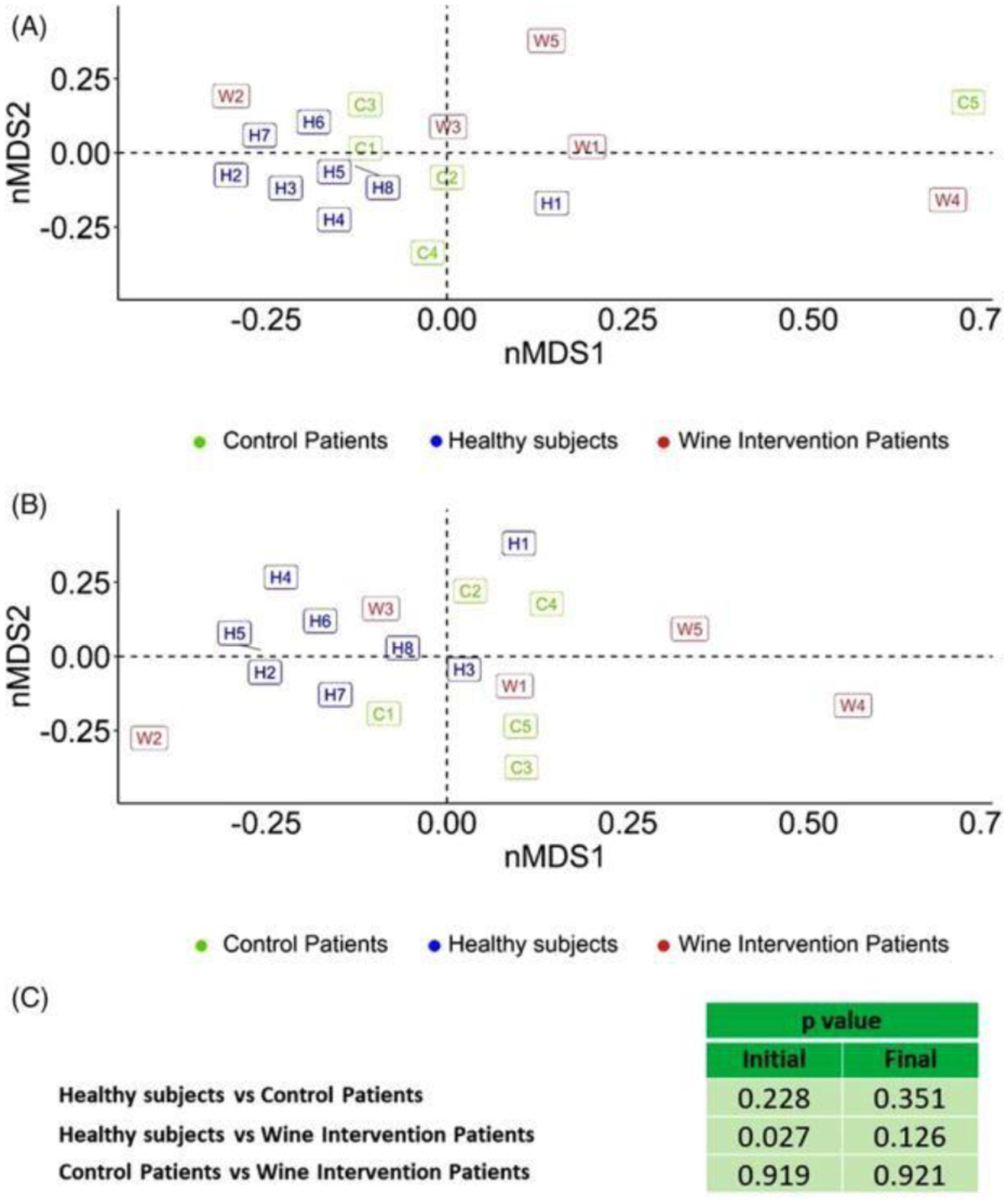
Numerous studies, ranging from in vitro experiments to human intervention trials, have contributed to this understanding. A landmark study published in Gastroenterology in 2019, involving a large cohort of twins, found that red wine consumption was associated with increased gut microbiome diversity and richness, even after accounting for confounding factors like diet and lifestyle. Participants who drank red wine showed a higher proportion of beneficial bacteria and lower levels of “bad” cholesterol and obesity markers compared to non-red wine drinkers. Other studies have consistently pointed to:
- Significant shifts in microbial composition, favoring species linked to positive health outcomes.
- Improvements in metabolic parameters like blood pressure, glucose metabolism, and lipid profiles, suggesting a systemic benefit mediated through gut health.
- Reduced markers of inflammation.
It is crucial to emphasize that these observed benefits are consistently linked to moderate consumption.
Part 4: Nuances, Caveats, and the “Moderate” Imperative
While the emerging research paints an intriguing picture, it is paramount to approach this topic with scientific rigor and a healthy dose of caution. The story of wine and gut health is nuanced, far from a simplistic endorsement of alcohol.
The “Moderate” Imperative: Where the Benefits Lie, and the Dangers Loom
The most critical caveat is the definition of “moderate.” For adults, moderate drinking is generally defined as up to one drink per day for women and up to two drinks per day for men. A “drink” typically equates to 5 ounces (147 ml) of wine. Exceeding these limits drastically reverses any potential benefits and introduces significant health risks:
- Gut Damage: Excessive alcohol consumption directly damages the gut lining, leading to increased permeability (“leaky gut”), inflammation, and alterations in gut microbiota composition, often favoring pathogenic bacteria.
- Liver Disease: Chronic heavy drinking is a leading cause of fatty liver, alcoholic hepatitis, and cirrhosis.
- Increased Cancer Risk: Alcohol is a known carcinogen, increasing the risk of cancers of the mouth, throat, esophagus, liver, and breast.
- Neurotoxicity: Alcohol is a neurotoxin that can impair brain function and lead to long-term neurological damage.
- Dysbiosis: High alcohol intake directly disrupts the delicate balance of the gut microbiome, leading to a loss of diversity and an increase in harmful species, negating any potential prebiotic effects of polyphenols.
Therefore, the narrative is not about drinking more wine, but rather about understanding the potential subtle benefits within a strictly controlled, moderate context for those who already choose to drink.
Individual Variability: A Personalized Response
The human body is not a monolith, and our responses to dietary interventions are highly individualized. Factors influencing how wine might affect an individual’s gut health include:
- Genetics: Genetic variations can influence alcohol metabolism and how the body processes polyphenols.
- Existing Microbiome Composition: The starting state of an individual’s gut microbiome will dictate how it responds to the introduction of wine polyphenols. A person with severe dysbiosis might respond differently than someone with a relatively healthy gut.
- Dietary Patterns: Wine is consumed as part of a broader diet. The benefits observed in many studies are often within the context of a Mediterranean-style diet, rich in fruits, vegetables, whole grains, and healthy fats, which are themselves powerful modulators of gut health. It’s unlikely that wine alone could counteract the effects of an unhealthy diet.
- Lifestyle: Physical activity, sleep patterns, stress levels, and other lifestyle factors profoundly impact gut health. Moderate wine consumption is often associated with other healthy lifestyle choices.
Red vs. White: The Polyphenol Disparity
The research overwhelmingly points to red wine as the beneficial player, primarily due to its significantly higher concentration of polyphenols. White wine, produced without grape skins, contains far fewer of these compounds, and therefore, its impact on the gut microbiome is considerably less pronounced, if present at all.
Beyond Wine: A Holistic Perspective
It is crucial to remember that wine is but one source of polyphenols. A diverse diet rich in other plant-based foods – berries, dark chocolate, tea, coffee, nuts, seeds, and colorful vegetables – provides a far broader spectrum and higher overall quantity of these beneficial compounds without the associated risks of alcohol. No one should feel compelled to start drinking wine for gut health; instead, focus should remain on a varied, whole-food-based diet.
Confounding Factors and the “Healthy User” Bias:
It’s also important to acknowledge potential confounding factors. Individuals who consume moderate amounts of wine often tend to have healthier lifestyles overall. They may follow a Mediterranean diet, be more physically active, have higher socioeconomic status, and generally practice more mindful living. Disentangling the specific effect of wine from these broader lifestyle patterns is a challenge in observational studies. While some studies attempt to control for these variables, it remains a complex area.
Part 5: The Future of Gut Health and Oenology – A Harmonious Horizon
The story of the microbiome and moderate wine consumption is still unfolding, promising exciting avenues for future research and a deeper understanding of human health.
Personalized Nutrition and the Microbiome:
The future likely holds personalized dietary recommendations based on an individual’s unique microbiome profile. Imagine a world where your doctor analyzes your gut bacteria and suggests specific food and beverage choices, including perhaps certain types of wine, that would optimally nourish your particular microbial ecosystem. This precision nutrition approach could revolutionize preventative healthcare.
Targeted Polyphenol Research:
Further studies will undoubtedly delve into the specific effects of individual polyphenols found in wine. Which specific anthocyanins or stilbenes exert the most potent prebiotic effects? Are there synergistic interactions between different polyphenols? This knowledge could lead to the development of targeted polyphenol supplements or functional foods designed to optimize gut health.
Exploring Varietals and Terroir:
The polyphenol content of wine varies significantly depending on the grape varietal (e.g., Cabernet Sauvignon vs. Pinot Noir), the growing conditions (terroir), and winemaking techniques. Future research might explore which specific wines, from particular regions or made using certain methods, offer the greatest gut-health benefits.
Therapeutic Applications:
Understanding how wine polyphenols interact with the microbiome could open doors for therapeutic applications. Could specific polyphenol extracts be used to treat dysbiosis, inflammatory bowel conditions, or metabolic disorders? This moves beyond dietary consumption to targeted interventions.
A Holistic View of Well-being:
Ultimately, the research reinforces a holistic view of health. Moderate wine consumption, when viewed as part of a balanced diet, an active lifestyle, and a mindful approach to living, contributes to a broader tapestry of well-being. It is a reminder that food and drink are not merely fuel but can be powerful modulators of our internal biology, capable of orchestrating health or disease depending on their quality, quantity, and context.
Conclusion: A Toast to the Microbes, in Moderation
The journey from ancient wisdom to modern scientific inquiry has revealed a fascinating new dimension to the story of wine. “The Microbiome Medley” is a narrative of intricate biochemical interactions, where the complex polyphenols of red wine, consumed in moderation, appear to engage in a sophisticated dialogue with the trillions of microbes residing within our gut. This dialogue, research suggests, can lead to a more diverse, resilient, and ultimately healthier microbial community, fostering benefits that extend far beyond the digestive tract to influence our immune system, metabolism, and even our mental well-being.
This is not a call to arms for daily drinking, nor a medical prescription. It is a testament to the marvel of the human body and the natural world – a story that emphasizes balance, discernment, and the profound impact of mindful choices. For those who already appreciate the cultural and sensory pleasures of wine, this emerging research offers a deeper appreciation for the nuanced ways in which a moderate glass might, indeed, contribute to the harmonious symphony of life playing out within our very own microbiome. As with all things in health, the key lies in understanding, respect, and, above all, moderation. Let us raise a glass, thoughtfully, to the unseen world within us, and to the continuous unraveling of its incredible story.