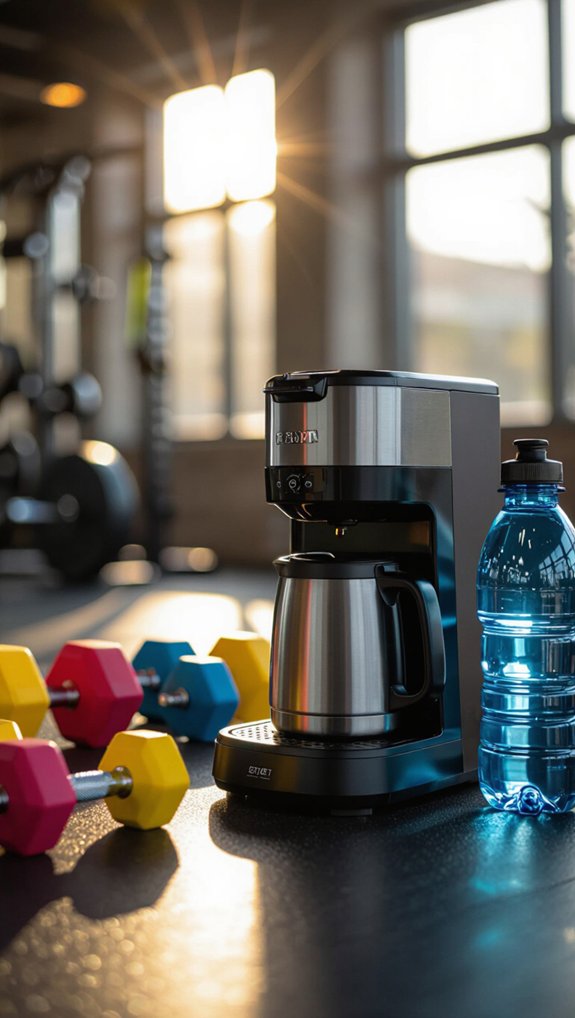

The aroma is a primal awakening. That first whisper of roasted beans, the rich, earthy scent that promises warmth, clarity, and a subtle jolt. For millions, it’s the daily ritual, a gentle nudge into the morning. But for athletes, coffee is far more than a mere beverage; it is an ancient elixir, a potent ergogenic aid, a legal and widely accessible performance enhancer that has subtly, yet profoundly, reshaped the landscape of human athletic endeavor.
From the pre-dawn silence of a marathon runner’s kitchen to the bustling weight room before a personal best attempt, the story of coffee and athletic performance is a saga interwoven with history, biochemistry, and the relentless human pursuit of pushing boundaries. It’s a story not just of caffeine, but of focus, endurance, and the subtle dance between mind and muscle.
Chapter 1: From Ethiopian Highlands to Olympic Arenas – A Brew’s Journey
Our story begins not in a laboratory, but on the sun-drenched plateaus of ancient Ethiopia, where, legend has it, a goat herder named Kaldi observed his flock dancing with unusual vigor after nibbling on the bright red berries of a particular plant. Kaldi, intrigued, tried the berries himself and felt an invigorating surge, sharing his discovery with local monks who initially dismissed them, then embraced the stimulating properties to stay awake during long hours of prayer.
From these humble, almost mythical origins, coffee spread. Carried by trade routes across the Arabian Peninsula, it became the "Wine of Araby," fueling intellectual discourse and spiritual reflection. By the 17th century, coffee houses had sprung up across Europe, becoming centers of social, political, and artistic life. It was here, amidst the clatter of cups and the hum of conversation, that the everyday stimulant began its quiet infiltration into the realm of physical exertion. Soldiers, laborers, and even early athletes likely noticed the benefits, intuitively understanding that a cup of coffee could sharpen their senses and stave off fatigue.
Fast forward to the modern era, and coffee’s role in sports transitioned from anecdotal observation to scientific scrutiny. As professional athletics burgeoned in the 20th century, the competitive edge became paramount. Athletes sought any advantage, and the stimulating effects of caffeine were too obvious to ignore. For decades, however, caffeine’s status in sports was ambiguous, teetering on the edge of illegality. The World Anti-Doping Agency (WADA) included caffeine on its list of banned substances until 2004, albeit with a high urinary threshold (12 µg/mL), which allowed for moderate consumption. The removal from the banned list was a landmark decision, recognizing caffeine as a powerful, yet generally safe and non-abusive, ergogenic aid when used responsibly. This decision opened the floodgates, legitimizing what many athletes already knew: coffee was a secret weapon, readily available and profoundly effective.
Chapter 2: Unveiling the Mechanism – The Caffeine Cascade
To truly appreciate coffee’s power, we must delve into the microscopic world within our bodies, where caffeine orchestrates a symphony of physiological responses. At its core, coffee’s magic lies in its primary active ingredient: caffeine, a methylxanthine. This molecule is a master of disguise, structurally similar to adenosine, a neurotransmitter that plays a crucial role in regulating energy and sleep.
The Adenosine Antagonism: This is the headline act of caffeine’s mechanism. Adenosine builds up in the brain and throughout the body during periods of activity, binding to specific receptors (primarily A1 and A2A). When adenosine binds, it signals fatigue, slows down nerve activity, and promotes relaxation and sleep. Caffeine, being a molecular mimic, swoops in and binds to these same adenosine receptors. However, unlike adenosine, caffeine doesn’t activate them; instead, it blocks adenosine from binding. It’s like a key that fits the lock but doesn’t turn, preventing the real key from entering.
The consequence of this blockade is profound:
- Increased Neurotransmitter Release: With adenosine’s inhibitory effects dampened, the release of excitatory neurotransmitters like dopamine, norepinephrine, and serotonin surges. Dopamine, associated with reward and motivation, enhances feelings of pleasure and reduces perceived effort. Norepinephrine (noradrenaline) ramps up alertness, vigilance, and focus, preparing the body for "fight or flight." Serotonin, while complex, can also influence mood and pain perception.
- Central Nervous System (CNS) Stimulation: The net effect is a widespread stimulation of the CNS. Reaction times shorten, cognitive function improves, and the feeling of mental fatigue is pushed back. For an athlete, this translates to quicker decisions, better coordination, and sustained focus, especially in the later stages of competition when mental acuity often wanes.
Beyond Adenosine – The Supporting Cast: While adenosine antagonism is the primary player, caffeine also exerts other, albeit less prominent, effects:
- Calcium Mobilization: Caffeine can increase the release of calcium from intracellular stores (sarcoplasmic reticulum) within muscle cells. Calcium is essential for muscle contraction, so this effect can enhance the force and speed of muscle contractions, particularly in fatigued muscles.
- Fat Oxidation and Glycogen Sparing: This is a crucial mechanism for endurance athletes. Caffeine promotes the release of free fatty acids (FFAs) into the bloodstream, making them more available as a fuel source. By utilizing more fat for energy, the body can spare its limited glycogen stores – the readily available carbohydrate fuel stored in muscles and liver. Glycogen sparing delays the onset of fatigue, allowing athletes to maintain a higher intensity for longer.
- Reduced Perceived Exertion (RPE): This is one of caffeine’s most celebrated effects. Even if the physiological stress remains the same, caffeine makes the effort feel easier. By modulating pain perception and boosting motivation, caffeine allows athletes to push harder and deeper into their discomfort zone, delaying the point at which they would normally back off. This effect is largely mediated by its CNS actions, influencing the subjective interpretation of effort.
In essence, coffee doesn’t just wake you up; it rewires your internal operating system, optimizing it for peak physical and mental output. It dampens the signals of fatigue, sharpens the mind, primes the muscles, and shifts the body’s fuel economy – a perfect cocktail for athletic excellence.
Chapter 3: The Multifaceted Boost – Performance Domains Transformed
The beauty of coffee’s ergogenic effects lies in its versatility, impacting a wide array of athletic disciplines. Its benefits aren’t confined to a single type of sport but ripple across endurance, strength, power, and even skill-based activities.
3.1. The Endurance Engine:
For endurance athletes – marathoners, cyclists, triathletes, swimmers – coffee is practically a staple. The ability to sustain effort over long durations is paramount, and caffeine delivers on multiple fronts:
- Increased Time to Exhaustion: Numerous studies have shown that caffeine significantly increases time to exhaustion during prolonged exercise. This isn’t just about feeling better; it’s about quantifiable improvements in performance markers.
- Glycogen Sparing: As discussed, by promoting fat oxidation, caffeine preserves precious muscle glycogen. Imagine a car running on two fuel tanks; caffeine helps you use the larger, more abundant tank (fat) first, saving the smaller, high-octane tank (glycogen) for when you truly need it – that final sprint or uphill push.
- Reduced Perceived Exertion (RPE): The mental battle in endurance events is often as grueling as the physical one. Caffeine lowers the perceived effort for a given workload, making a 7/10 effort feel like a 6/10. This allows athletes to maintain a higher pace or power output without feeling like they’re redlining, crucial for pacing strategies.
- Enhanced Focus and Concentration: Long races can become monotonous, leading to lapses in concentration. Caffeine helps maintain mental alertness, preventing errors in judgment, especially important in technical sections of a race or during high-speed maneuvers.
3.2. Strength and Power Unleashed:
While endurance benefits are well-established, caffeine’s impact on strength and power sports (weightlifting, sprinting, throwing events, team sports requiring explosive movements) is equally compelling:
- Increased Muscle Strength and Power Output: Research indicates caffeine can improve maximal voluntary contraction, peak power, and force production. This is partly due to enhanced calcium release in muscle cells and improved motor unit recruitment via CNS stimulation. A weightlifter might eke out an extra rep, or a sprinter might achieve a fractionally faster start.
- Delayed Onset of Muscle Pain: By modulating pain perception, caffeine allows athletes to push through the burning sensation of intense exercise for longer. This means more reps, more sets, or simply a greater ability to tolerate the discomfort associated with high-intensity efforts.
- Enhanced Anaerobic Performance: In activities lasting from 30 seconds to several minutes, where anaerobic glycolysis is the dominant energy system, caffeine can improve performance. This is particularly relevant for sports like track cycling, rowing, and CrossFit, where repeated bouts of high-intensity work are common.
- Improved Reaction Time and Agility: For sports requiring quick bursts and rapid changes in direction (basketball, soccer, tennis), caffeine’s ability to sharpen reaction time and mental alertness can translate into faster moves, better defensive plays, and more precise offensive maneuvers.
3.3. Cognitive Edge in Skill-Based Sports:
Beyond raw physical output, many sports demand high levels of cognitive function, decision-making, and fine motor skills. Here too, coffee shines:
- Enhanced Alertness and Focus: In sports like golf, archery, or even complex team strategies, sustained concentration is key. Caffeine reduces mental fatigue and enhances vigilance, allowing athletes to maintain optimal focus throughout long games or tournaments.
- Improved Decision-Making: The ability to process information rapidly and make effective decisions under pressure is critical in dynamic sports. Caffeine can improve cognitive processing speed, leading to better tactical choices on the field or court.
- Better Motor Control and Coordination: While not a direct skill enhancer, the improved focus and reduced fatigue can indirectly lead to more precise movements and better execution of complex motor patterns, especially when fatigue would otherwise degrade performance.
The narrative of coffee in sports is therefore one of pervasive influence. It doesn’t discriminate; it offers a competitive advantage across the spectrum of human athleticism, making the good athlete better and the great athlete exceptional.
Chapter 4: The Art of Application – Dosing, Timing, and Individualization
Like any powerful tool, coffee’s ergogenic effects are maximized when used strategically. It’s not simply about chugging a pot; it’s about understanding the nuances of dosage, timing, and individual response.
4.1. The Optimal Dosage:
The scientific consensus points to a dosage range of 3-6 milligrams of caffeine per kilogram of body weight (mg/kg BW) as optimal for performance enhancement. For a 70 kg (154 lb) athlete, this translates to roughly 210-420 mg of caffeine.
- Below 3 mg/kg: May still offer some benefits, especially for caffeine-naïve individuals, but generally less pronounced.
- Above 6 mg/kg: Offers diminishing returns and significantly increases the risk of negative side effects without additional performance gains. More is not always better.
4.2. The Timing is Everything:
Caffeine is rapidly absorbed from the gastrointestinal tract, reaching peak plasma concentrations typically within 30-60 minutes after ingestion. Therefore, the general recommendation is to consume caffeine approximately 30-60 minutes before the start of exercise or competition. This ensures that peak caffeine levels coincide with the period of maximal effort.
For longer events, some athletes might consider a smaller, secondary dose during the event, though this requires careful planning to avoid GI distress and assess individual tolerance.
4.3. Coffee vs. Supplements – The Delivery Method:
While coffee is the most common and culturally ingrained source, caffeine can also be consumed via supplements (pills, gels, chews, energy drinks).
- Coffee:
- Pros: Natural, cultural ritual, contains antioxidants and other beneficial compounds, variable caffeine content allows for some control.
- Cons: Variable caffeine content (a typical 8-ounce cup can range from 80-200 mg depending on bean, roast, and brew method), can cause GI distress in some individuals, takes longer to prepare.
- Caffeine Supplements:
- Pros: Precise dosing, rapid absorption (especially gels/chews), convenient for on-the-go or during events.
- Cons: Lacks the ritual and sensory experience of coffee, potential for overdose if not careful, often contains artificial ingredients in energy drinks.
The choice often comes down to personal preference, convenience, and the need for precise dosing. Many athletes opt for coffee for pre-workout rituals and supplements for in-race boosts.
4.4. The Individual Equation – Genetics and Tolerance:
Perhaps the most fascinating aspect of caffeine’s effects is the significant individual variability. What makes one athlete soar might leave another jittery and anxious.
- Genetics (CYP1A2 Gene): A major determinant of how an individual responds to caffeine is their genetic makeup, specifically variations in the CYP1A2 gene. This gene codes for an enzyme in the liver that metabolizes caffeine.
- "Fast Metabolizers": Individuals with certain variants of CYP1A2 break down caffeine quickly. They tend to experience the performance benefits with fewer side effects and can tolerate higher doses.
- "Slow Metabolizers": Others have genetic variants that slow down caffeine metabolism. For these individuals, even moderate doses can lead to jitters, anxiety, and impaired sleep. Their performance may not improve, or could even decline, with caffeine.
- Habitual Intake and Tolerance: Regular caffeine consumption leads to tolerance. The body adapts by increasing the number of adenosine receptors, making caffeine’s blocking effect less potent. This means habitual coffee drinkers may need a higher dose to achieve the same ergogenic effect, or they may benefit from a "caffeine washout" period (reducing or eliminating caffeine for 5-7 days) before a major competition to resensitize their system.
- Sensitivity: Some individuals are simply more sensitive to stimulants, regardless of their metabolism speed. They might experience anxiety or heart palpitations even with low doses.
Therefore, the "art of application" for coffee in sports is deeply personal. It requires experimentation, self-awareness, and potentially, genetic insight to find the optimal dose and timing that unlocks performance without inviting unwanted side effects.
Chapter 5: Navigating the Shadows – Side Effects, Ethics, and Moderation
While coffee is a powerful ally, it is not without its caveats. Responsible use demands an understanding of its potential downsides and the ethical considerations surrounding performance enhancement.
5.1. The Darker Roast – Side Effects:
Exceeding the optimal dose or having a high individual sensitivity can lead to a range of undesirable effects:
- Jitters and Anxiety: The overstimulation of the CNS can manifest as nervousness, restlessness, and increased anxiety, particularly in slow metabolizers.
- Gastrointestinal Distress: Caffeine can stimulate gut motility, leading to stomach upset, nausea, or diarrhea, especially when consumed on an empty stomach or in high doses before intense exercise.
- Sleep Disruption: Caffeine has a relatively long half-life (3-7 hours), meaning it stays in your system for a significant period. Consuming it too late in the day can severely impair sleep quality and quantity, ironically hindering recovery and future performance.
- Increased Heart Rate and Blood Pressure: While generally mild in healthy individuals, high doses can lead to noticeable increases, which can be a concern for those with underlying cardiovascular conditions.
- Dependence and Withdrawal: Regular, high-dose consumption can lead to physical dependence. Withdrawal symptoms, which can include headaches, fatigue, irritability, and difficulty concentrating, often manifest when reducing or stopping intake.
5.2. The Hydration Myth:
For years, caffeine was wrongly perceived as a potent diuretic that could lead to dehydration in athletes. Modern research has largely debunked this myth. While caffeine does have a mild diuretic effect, regular coffee consumption does not lead to significant fluid loss or dehydration in habitual users. The fluid content of coffee itself often outweighs any diuretic effect, contributing to overall fluid intake. However, during intense, prolonged exercise, maintaining adequate hydration with water and electrolytes remains paramount, irrespective of caffeine intake.
5.3. Ethical Considerations and WADA:
The removal of caffeine from WADA’s banned list in 2004 largely settled the ethical debate for many. It acknowledges that caffeine is widely consumed in everyday life, has a moderate effect, and doesn’t pose the same health or fairness risks as other doping agents. However, the discussion of "what constitutes a natural advantage" versus "artificial enhancement" continues in sports. For now, coffee stands as a testament to the idea that some natural compounds, when understood and applied scientifically, can legitimately elevate human potential without crossing ethical lines.
5.4. The Imperative of Moderation:
The overarching theme for coffee and athletic performance is moderation and personalization. It’s a tool, not a crutch. Over-reliance can diminish its effectiveness, induce tolerance, and lead to negative health outcomes. Strategic use, where caffeine is deployed for key training sessions or competitions, often yields the best results while minimizing side effects and maintaining sensitivity.
Chapter 6: Beyond the Cup – The Future of Caffeine Research
The story of coffee in sports is still being written. As our understanding of human physiology and genetics evolves, so too will our ability to harness this ancient brew even more effectively.
6.1. Personalized Nutrition and Nutrigenomics:
The most exciting frontier lies in personalized nutrition. With advancements in genetic testing, athletes may soon be able to get precise recommendations based on their individual caffeine metabolism (e.g., CYP1A2 gene variants). This could inform not only optimal dosage but also ideal timing and even the best source of caffeine for their unique physiological makeup. Imagine a future where an athlete’s coffee prescription is as tailored as their training plan.
6.2. Novel Delivery Methods and Formulations:
Beyond pills and traditional coffee, researchers are exploring innovative ways to deliver caffeine. Transdermal patches, slow-release formulations, and even buccal absorption (through the cheek) could offer more controlled release, bypass potential GI issues, and extend the ergogenic window. Synergistic compounds, combined with caffeine, might also be explored to amplify benefits or mitigate side effects.
6.3. Specific Populations:
Future research will likely delve deeper into caffeine’s effects on specific athletic populations:
- Youth Athletes: Understanding the safe and effective limits for younger individuals.
- Masters Athletes: How caffeine interacts with the aging body and its impact on maintaining performance.
- Female Athletes: Investigating potential differences in caffeine metabolism and effects across the menstrual cycle or with hormonal fluctuations.
- Para-Athletes: Tailoring caffeine strategies for athletes with diverse physical abilities and unique physiological considerations.
6.4. Long-Term Health and Performance:
While short-term performance benefits are well-documented, more longitudinal studies are needed to fully understand the long-term effects of chronic, high-dose caffeine intake on athletic performance, recovery, and overall health.
Conclusion: The Enduring Legacy of the Humble Bean
The journey of coffee, from a legend whispered in Ethiopian highlands to a meticulously studied ergogenic aid in elite sports, is a testament to its enduring power. It is a story of discovery, scientific unraveling, and the constant human quest for improvement. Coffee doesn’t just provide a physical boost; it offers a mental edge, sharpening focus, dampening discomfort, and extending the boundaries of what an athlete believes is possible.
Yet, its true power lies in its balance. It is not a magic bullet, but a potent tool to be wielded with respect and understanding. It requires an athlete to listen to their body, to experiment, and to find their personal sweet spot – that perfect dose and timing that transforms the simple act of drinking coffee into a strategic ritual of performance enhancement.
As the sun rises, and athletes across the globe reach for their morning brew, they are partaking in a tradition that spans centuries, connecting them to ancient shepherds and modern champions alike. The humble coffee bean, with its rich history and complex chemistry, continues to be an invaluable partner in the pursuit of athletic excellence, proving that sometimes, the greatest boosts come from the most familiar sources, brewed with intention and consumed with purpose. The elixir of grit, indeed.