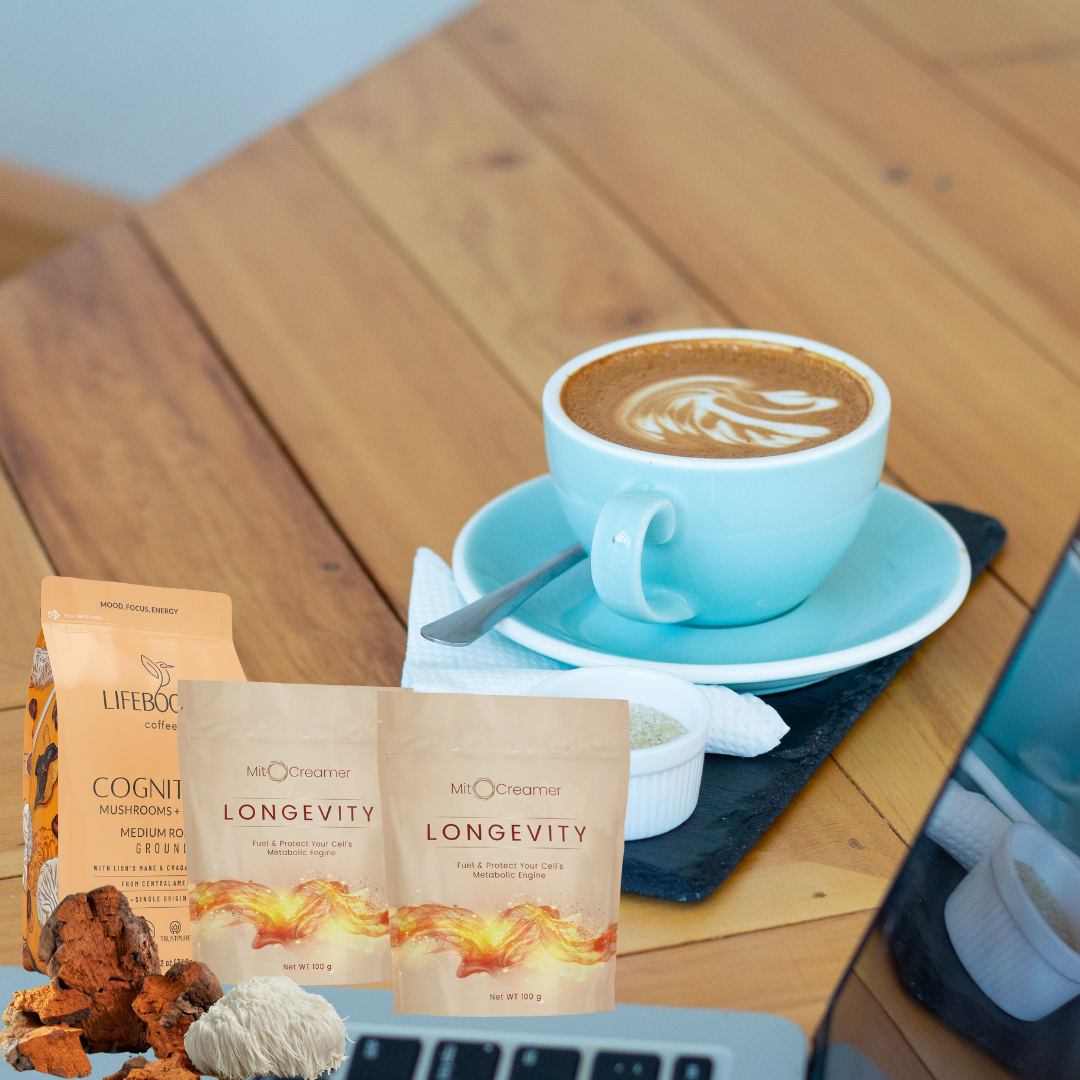
In the relentless pursuit of vitality and an extended lifespan, humanity has historically turned to everything from ancient elixirs and mystical herbs to cutting-edge pharmaceuticals and restrictive diets. Yet, what if one of the most ubiquitous, comforting, and culturally ingrained rituals of our daily lives held a key to unlocking a longer, healthier existence? We are talking, of course, about coffee – the humble bean that has fueled revolutions, inspired artists, and kickstarted billions of mornings across the globe.
The notion of a “longevity latte” isn’t merely a catchy phrase born of wellness trends; it’s a distillation of a growing body of scientific inquiry suggesting that our daily brew might be far more than just a stimulant. For the knowledgeable seeker of truth, this article delves deep into the rich tapestry of coffee’s history, its complex chemical composition, the myriad ways it interacts with our biology, and the nuanced conclusions drawn by modern science regarding its role in promoting a longer, healthier life. Prepare to embark on a journey that sifts through the folklore, dissects the molecules, and challenges the assumptions surrounding humanity’s most beloved beverage.
A Journey Through Time: Coffee’s Ancient Roots and Evolving Reputation
Before we plunge into the intricate biochemistry, it’s imperative to appreciate the profound historical journey of coffee. Its story is not merely one of botanical discovery but of cultural integration, intellectual fermentation, and a persistent, often contradictory, reputation.
Legend has it that an Abyssinian goat herder named Kaldi, around the 9th century, observed his goats becoming unusually energetic after nibbling on the red berries of a particular plant. His curiosity led him to try the berries himself, experiencing a similar invigorating effect. This tale, though perhaps apocryphal, perfectly encapsulates coffee’s initial allure: its power to awaken and sustain.
From these mythical origins, coffee journeyed across the Red Sea to Yemen, where Sufi mystics embraced it for its ability to keep them awake during long nights of prayer. The stimulating drink, initially called qahwa (Arabic for “wine”), spread through the Islamic world, becoming a central feature of communal life in burgeoning coffeehouses – institutions that served not only as places for refreshment but as vibrant hubs of intellectual discourse, political debate, and artistic expression. These early coffeehouses were the internet cafes of their time, fostering innovation and challenging established norms.
When coffee arrived in Europe in the 17th century, it was met with both fervent enthusiasm and fierce opposition. Initially dubbed “the bitter invention of Satan” by some Catholic clergymen, it narrowly escaped condemnation after Pope Clement VIII, reportedly finding the drink so delicious, blessed it. Coffeehouses quickly proliferated across European capitals, becoming synonymous with the Enlightenment, revolutionary thought, and the burgeoning mercantile class. They offered an alternative to alcohol, promoting sobriety and clear-headed discussion, contributing indirectly to productivity and societal advancement.
However, coffee’s journey was not without its shadows. Early medical practitioners debated its effects, oscillating between praising its medicinal properties and condemning its stimulating nature. For centuries, it was both celebrated as a panacea and feared as a vice. This historical ambivalence sets the stage for our modern inquiry, where sophisticated scientific tools now allow us to peel back the layers of myth and anecdote to reveal the true nature of this remarkable bean.
Unpacking the Bean: A Symphony of Compounds Beyond Caffeine
To truly understand coffee’s potential role in longevity, we must move beyond its most famous constituent, caffeine. While caffeine undoubtedly plays a significant role in our immediate experience of coffee, the bean is a veritable pharmacopoeia, containing hundreds of bioactive compounds that interact in a complex, synergistic dance within our bodies.
Imagine a finely tuned orchestra, where caffeine is the lead soloist, but the true masterpiece emerges from the harmonious interplay of every instrument. Key players in this coffee symphony include:
- Polyphenols: These are perhaps the most celebrated class of compounds in coffee, renowned for their potent antioxidant and anti-inflammatory properties.
- Chlorogenic Acids (CGAs): Dominant polyphenols in coffee, particularly in unroasted green beans, though still abundant after roasting. CGAs are powerful antioxidants that combat oxidative stress – a primary driver of aging and chronic disease. They also play a crucial role in glucose metabolism, potentially improving insulin sensitivity and reducing the risk of type 2 diabetes.
- Quinic Acid, Caffeic Acid, Ferulic Acid: Other significant phenolic acids contributing to coffee’s antioxidant capacity.
- Diterpenes: Cafestol and Kahweol are two diterpenes found in coffee, particularly in unfiltered brews like French press, Turkish coffee, or espresso. While they have shown some anti-inflammatory and potentially anti-cancer properties in in vitro and animal studies, high consumption can elevate LDL cholesterol levels in susceptible individuals. This highlights the importance of brewing method, which we will explore later.
- Melanoidins: Formed during the roasting process from the Maillard reaction, these compounds give coffee its characteristic color and aroma. Melanoidins possess significant antioxidant and anti-inflammatory activities, and some research suggests they may also have prebiotic effects, fostering a healthy gut microbiome.
- Trigonelline: A pyridine alkaloid that contributes to coffee’s bitterness and aroma. It breaks down during roasting to form niacin (Vitamin B3) and other aromatic compounds. Trigonelline has shown potential in studies for its anti-diabetic, anti-cancer, and neuroprotective properties.
- Alkaloids (beyond caffeine): While caffeine is king, other minor alkaloids like theophylline and theobromine (also found in tea and chocolate) are present in smaller amounts, contributing to coffee’s overall physiological effects.
The beauty of coffee’s chemistry lies in this complex interplay. It’s not just about one compound acting in isolation, but a dynamic blend where different molecules modulate each other’s effects, creating a biological impact far greater than the sum of its parts. This intricate chemical profile is what truly underpins coffee’s potential as a longevity-enhancing beverage.
The Body’s Response: A Cascade of Longevity-Promoting Benefits
Armed with this understanding of coffee’s chemical composition, we can now explore the extensive scientific literature linking coffee consumption to a reduced risk of various chronic diseases and an overall increase in lifespan. The evidence, drawn from decades of large-scale epidemiological studies, meta-analyses, and increasingly, mechanistic research, paints a compelling picture.
1. Cardiovascular Health: A Hearty Brew?
For years, coffee was controversially linked to heart disease and high blood pressure. However, modern research largely refutes these fears for most individuals. Numerous studies, including a landmark meta-analysis of over 200 studies, indicate that moderate coffee consumption (typically 3-5 cups per day) is associated with a reduced risk of cardiovascular disease, including heart failure, stroke, and coronary artery disease.
- Mechanisms: Coffee’s polyphenols improve endothelial function (the lining of blood vessels), reduce systemic inflammation, and enhance nitric oxide bioavailability, all contributing to better vascular health. While caffeine can temporarily raise blood pressure, this effect is usually transient and does not translate into long-term hypertension for regular consumers.
2. Metabolic Health: Guarding Against Diabetes
Perhaps one of the most robust findings is coffee’s protective effect against type 2 diabetes. Large prospective cohort studies consistently show that higher coffee consumption is associated with a significantly lower risk of developing this metabolic disorder.
- Mechanisms: Chlorogenic acids play a key role here, improving glucose metabolism by inhibiting glucose absorption in the gut and enhancing insulin sensitivity. Coffee also contains compounds that reduce oxidative stress and inflammation, which are implicated in the development of insulin resistance.
3. Neuroprotection: A Sharper, Longer Mind
The brain benefits profoundly from regular coffee intake. Research suggests coffee can reduce the risk of neurodegenerative diseases like Alzheimer’s and Parkinson’s.
- Alzheimer’s Disease: Studies indicate that lifelong moderate coffee consumption is associated with a reduced risk of developing Alzheimer’s. Mechanisms include coffee’s anti-inflammatory and antioxidant properties, its ability to inhibit amyloid-beta plaque formation (a hallmark of Alzheimer’s), and its impact on brain-derived neurotrophic factor (BDNF), which supports neuronal growth and survival.
- Parkinson’s Disease: The protective effect against Parkinson’s is even stronger, particularly in men. Caffeine is thought to play a direct role by blocking adenosine receptors in the brain, which are involved in dopamine regulation, thereby mitigating the dopamine depletion characteristic of Parkinson’s.
- Cognitive Function: Beyond disease prevention, coffee is linked to improved alertness, concentration, reaction time, and memory in the short term, and potentially better long-term cognitive function as well.
4. Liver Health: A Shield for the Hepatic System
The liver, a vital organ for detoxification and metabolism, appears to be particularly receptive to coffee’s protective effects. Regular coffee consumption is associated with a reduced risk of:
- Liver Cancer: Multiple studies show a significant inverse relationship between coffee intake and hepatocellular carcinoma, the most common type of liver cancer.
- Cirrhosis: Coffee drinkers have a lower risk of developing cirrhosis, particularly alcoholic cirrhosis and non-alcoholic fatty liver disease (NAFLD)-related cirrhosis.
- Mechanisms: Coffee’s compounds reduce inflammation and fibrosis in the liver, mitigate oxidative stress, and may modulate liver enzyme activity to promote detoxification.
5. Cancer Prevention: Broader Protective Effects
While not a universal cancer preventative, coffee has been consistently linked to a reduced risk for several types of cancer:
- Colorectal Cancer: Strong evidence suggests a protective effect against colorectal cancer.
- Endometrial Cancer: Women who drink coffee have a lower risk of developing endometrial cancer.
- Oral and Pharyngeal Cancers: Some evidence points to a reduced risk for these head and neck cancers.
- Mechanisms: Coffee’s antioxidant and anti-inflammatory properties combat cellular damage that can lead to cancer. It may also influence DNA repair, regulate cell growth cycles, and induce apoptosis (programmed cell death) in cancer cells.
6. Gut Microbiome and Digestive Health
Emerging research highlights coffee’s potential influence on the gut microbiome. Certain compounds, like melanoidins and chlorogenic acids, may act as prebiotics, feeding beneficial gut bacteria. A healthy and diverse gut microbiome is increasingly recognized as fundamental to overall health, immunity, and even mental well-being, all contributing factors to longevity.
7. DNA Protection and Anti-Aging Pathways
On a cellular level, coffee’s antioxidants directly combat free radicals, which cause oxidative damage to DNA, proteins, and lipids – a primary mechanism of aging. Some research suggests coffee may even influence telomere length, a biomarker of cellular aging, though more studies are needed in this area. It also activates cellular stress response pathways that can enhance cellular repair and resilience.
The cumulative effect of these myriad benefits paints a picture of coffee as a powerful dietary component in the pursuit of longevity. It doesn’t just address one disease; it seems to exert a broad, systemic protective influence across multiple physiological systems critical for healthy aging.
The Shadow in the Cup: Nuances, Caveats, and Individual Variability
Despite the overwhelmingly positive scientific consensus, it would be disingenuous to present coffee as an unadulterated elixir without acknowledging its complexities, potential downsides, and the crucial role of individual variation. The “longevity latte” is not a one-size-fits-all magic bullet.
1. Caffeine Sensitivity and Genetics:
Not everyone metabolizes caffeine at the same rate. A gene called CYP1A2 codes for an enzyme that is primarily responsible for caffeine breakdown in the liver. Individuals with certain variants of this gene (often called “slow metabolizers”) process caffeine more slowly, leading to prolonged effects, increased anxiety, sleep disruption, and potentially higher cardiovascular risks with heavy intake. “Fast metabolizers,” conversely, can tolerate more caffeine without adverse effects. This genetic predisposition is a key factor in how coffee impacts an individual.
2. Sleep Disruption and Anxiety:
For many, caffeine’s stimulating effects, especially when consumed late in the day, can significantly impair sleep quality and duration. Chronic sleep deprivation is a known detriment to health and longevity, negating many of coffee’s potential benefits. Similarly, high doses of caffeine can trigger or exacerbate anxiety, nervousness, and even panic attacks in sensitive individuals.
3. Brewing Methods and Diterpenes:
The way coffee is prepared matters. Unfiltered brewing methods, such as French press, Turkish coffee, or Scandinavian boiled coffee, allow diterpenes (cafestol and kahweol) to pass into the cup. While these compounds have some beneficial properties, they are also known to raise LDL (bad) cholesterol levels in some individuals. Filtered coffee (drip, pour-over, AeroPress) largely removes these diterpenes, making it a safer choice for those concerned about cholesterol. Espresso falls somewhere in the middle, depending on the grind and extraction time.
4. Additives: Undermining the Benefits:
The “longevity latte” can quickly become a “longevity liability” if laden with unhealthy additives. Syrups, excessive sugar, artificial sweeteners, and highly processed creamers can counteract coffee’s benefits, adding empty calories, contributing to insulin spikes, and potentially harming gut health. A plain black coffee or one with a modest amount of healthy fat (like a splash of whole milk or a small amount of healthy oil, for those into bulletproof-style coffee) is generally the healthiest option.
5. Pregnancy and Specific Health Conditions:
Pregnant women are generally advised to limit caffeine intake to 200 mg per day or less due to potential risks to fetal development. Individuals with certain medical conditions, such as severe anxiety disorders, gastric ulcers, or specific cardiac arrhythmias, may also need to limit or avoid coffee. Consultation with a healthcare provider is always recommended in such cases.
6. Correlation vs. Causation: The “Healthy User” Bias:
While the evidence for coffee’s benefits is strong, it’s always crucial for a knowledgeable audience to consider the “healthy user bias.” Coffee drinkers, particularly those who consume it moderately and black, tend to exhibit other healthy lifestyle behaviors – they might be more educated, exercise more, smoke less, and follow healthier diets. While researchers control for these confounding factors in studies, it’s a reminder that coffee is likely a contributor to a healthy lifestyle, not a standalone panacea.
Crafting Your Own Longevity Latte: Practical Insights for the Informed Consumer
Given the wealth of information, how can the knowledgeable individual best integrate coffee into their pursuit of a longer, healthier life? It comes down to mindful consumption, quality choices, and individual awareness.
- Moderation is Key: The sweet spot for most individuals appears to be 3-5 standard cups (around 8 oz each) per day. This range is consistently associated with the greatest health benefits in epidemiological studies. Exceeding this, especially for slow metabolizers, may diminish benefits or introduce adverse effects.
- Listen to Your Body: This is paramount. If coffee makes you anxious, disrupts your sleep, or causes digestive distress, reduce your intake or reconsider it. Your personal physiology is the ultimate guide. Pay attention to how you feel after your morning cup and adjust accordingly.
- Prioritize Quality:
- Organic/Fair Trade: Choose organic coffee to avoid pesticide residues and support sustainable farming practices. Fair Trade certifications ensure ethical treatment of farmers.
- Freshly Roasted, Whole Beans: The freshest coffee retains the most beneficial compounds. Grind your beans just before brewing for optimal flavor and health benefits.
- Roast Level: Lighter roasts tend to retain more chlorogenic acids, while darker roasts have more melanoidins and other compounds formed during roasting. Both offer benefits; variety can be good.
- Choose Your Brewing Method Wisely:
- Filtered Coffee (Drip, Pour-over, AeroPress, Chemex): Generally considered the healthiest option as filters remove most of the diterpenes (cafestol and kahweol), which can raise LDL cholesterol.
- Espresso: Contains some diterpenes but generally less than French press due to shorter contact time and finer grind. Moderate espresso consumption is usually fine.
- French Press/Turkish Coffee: If you have high cholesterol or a family history of heart disease, you might consider limiting these unfiltered methods or consuming them less frequently.
- Mind Your Additives:
- Go Black: The purest way to consume coffee and maximize its benefits.
- Healthy Fats: If you prefer cream, opt for a small amount of whole milk, unsweetened almond milk, or a touch of healthy fat like MCT oil for a “bulletproof” style boost (though the benefits of this are still debated).
- Avoid Sugar & Artificial Sweeteners: These negate many of coffee’s metabolic benefits and can have their own detrimental health effects.
- Timing is Everything: To avoid sleep disruption, aim to consume your last caffeinated coffee at least 6-8 hours before bedtime. Some experts suggest even earlier, depending on individual sensitivity.
- Coffee as Part of a Holistic Lifestyle: Remember, coffee is not a magic bullet. Its benefits are maximized when integrated into an overall healthy lifestyle that includes a balanced diet rich in whole foods, regular physical activity, adequate sleep, stress management, and strong social connections. It’s an enhancer, not a substitute.
The Final Brew: A Reflective Conclusion
The journey through coffee’s history, chemistry, and biological impact reveals a story far more complex and compelling than a simple morning ritual. The “longevity latte” is not a fanciful invention but a concept grounded in robust scientific inquiry. It is a testament to the idea that some of life’s simplest pleasures, when understood and consumed mindfully, can indeed contribute to our deepest aspirations for health and longevity.
While no single food or drink holds the exclusive key to immortality, coffee emerges as a potent ally in the quest for a longer, healthier, and more vibrant life. Its symphony of bioactive compounds works synergistically to protect our hearts, sharpen our minds, guard our livers, bolster our metabolism, and even defend against cellular aging.
Yet, the true wisdom lies not in blind adherence but in informed discernment. The power of coffee, like any potent substance, lies in understanding its nuances, respecting individual differences, and integrating it thoughtfully into a holistic approach to well-being. So, as you sip your next cup, take a moment to appreciate the centuries of history, the intricate biochemistry, and the profound potential held within that dark, aromatic brew. It might just be more than just a coffee; it might be a conscious step towards a longer, more fulfilling journey.