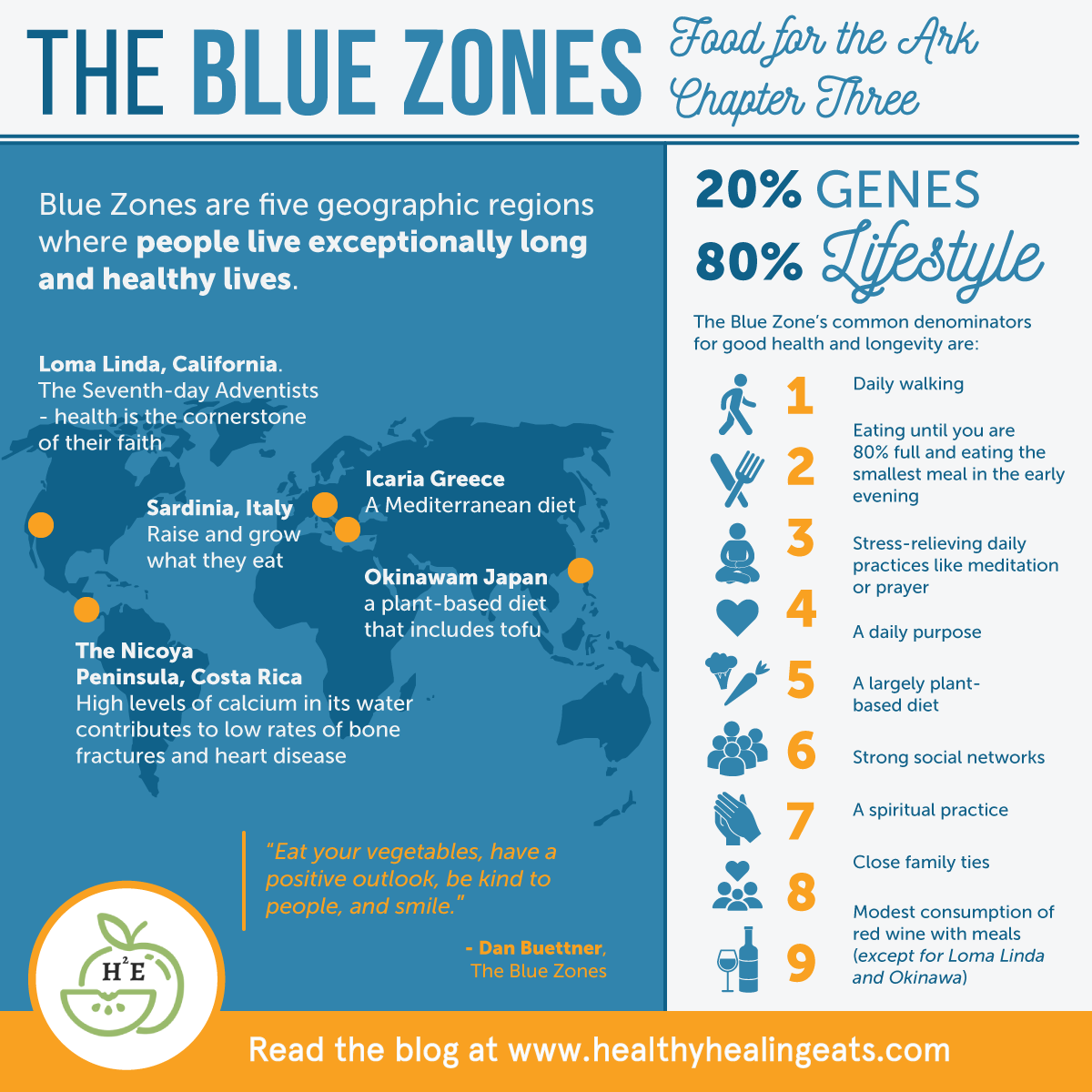

The quest for a longer, healthier life has captivated humanity for millennia. In recent decades, this pursuit has coalesced around fascinating geographical anomalies: the "Blue Zones." These are regions across the globe where people live measurably longer, healthier lives, often reaching age 100 with remarkable vitality and minimal chronic disease. While much has been written about their common threads—strong social connections, regular moderate exercise, plant-forward diets, and a sense of purpose—a closer look at the coastal Blue Zones reveals a unique, often overlooked, ingredient that might hold profound secrets to their enduring health: seaweed.
Imagine a world where the ocean isn’t just a boundary, but a boundless larder; where the ebb and flow of tides dictate not just fishing patterns, but also the harvest of nutrient-dense marine plants. This is the reality in many traditional coastal communities, none more celebrated for longevity than the islands of Okinawa, Japan. Here, and in echoes across other Blue Zone-adjacent coastal cultures, seaweed isn’t merely an occasional garnish; it is a foundational pillar of their diet, a superfood that has silently underpinned generations of robust health.
This isn’t just a tale of exotic ingredients; it’s a story of ecological wisdom, nutritional density, and a profound connection to the natural world. It’s a story that urges us to look beyond the land for our sustenance and to reconsider the humble, yet mighty, gifts of the sea.
The Azure Tapestry: Coastal Blue Zones and Their Marine Legacy
The term "Blue Zone" was coined by explorer and author Dan Buettner, identifying five distinct regions: Okinawa (Japan), Sardinia (Italy), Nicoya (Costa Rica), Ikaria (Greece), and Loma Linda (California, USA). Each possesses a unique cultural fabric, yet shares striking similarities in lifestyle that contribute to their inhabitants’ exceptional longevity.
While Nicoya and Loma Linda are inland communities, Sardinia, Ikaria, and especially Okinawa are deeply intertwined with the sea. In Sardinia, the focus is often on mountainous shepherds, but the island’s coastal communities also boast incredible longevity, with diets rich in locally caught fish and wild greens. Ikaria, a Greek island in the Aegean, is famed for its "Mediterranean diet on steroids," emphasizing wild-foraged herbs, vegetables, legumes, olive oil, and fish. While direct seaweed consumption isn’t as prevalent in Ikaria or Sardinia as in Okinawa, the spirit of harvesting from the immediate, pristine marine environment, and the intake of marine-derived nutrients, is undeniably a shared principle. Their diets are a testament to the bounty of their specific ecosystems.
But it is Okinawa that truly stands out as the quintessential example of a coastal Blue Zone where seaweed plays a starring role. For centuries, the Okinawan diet has been celebrated for its low caloric density and high nutrient content, largely thanks to its reliance on purple sweet potatoes, local vegetables, legumes, and, crucially, a diverse array of seaweeds. The islanders don’t just eat seaweed; they live with it, incorporating it into daily meals, snacks, and even traditional medicines.
Okinawa: The Epicenter of Marine Longevity
The Okinawan diet is legendary. Before the influence of Westernization, Okinawans consumed a diet comprising 96% plant-based foods, with sweet potatoes making up 67% and green/yellow vegetables 12%. The remaining percentage was a mix of grains, legumes, and a small amount of fish and meat. What often gets less attention, however, is the consistent and diverse inclusion of seaweed.
Imagine an Okinawan grandmother, her hands calloused from a lifetime of tending gardens and gathering from the shore, preparing a meal. It’s almost certain that seaweed, in one form or another, would be present.
- Konbu (Kombu): This thick, leathery kelp is a cornerstone of Japanese cuisine, used to make dashi (broth), which forms the base of countless soups and dishes. But in Okinawa, it’s also eaten directly, often simmered with vegetables or meat, or used to wrap other ingredients. Konbu is a powerhouse of iodine, calcium, and soluble fiber.
- Wakame: Delicate and subtly sweet, wakame often finds its way into miso soup, salads, and sunomono (vinegared dishes). It’s rich in fucoxanthin, a carotenoid with potential fat-burning and anti-diabetic properties, as well as essential minerals.
- Nori: The ubiquitous dried seaweed sheets used for sushi and rice balls (onigiri) are a familiar sight globally. But in Okinawa, nori is also crumbled over dishes or used as a flavourful seasoning, providing vitamins A, C, E, and B vitamins, along with trace minerals.
- Hijiki: This black, wiry seaweed is often rehydrated and simmered with soy sauce, sugar, and vegetables. It’s an excellent source of dietary fiber and minerals, though its high iron content requires mindful consumption.
- Mozuku: Perhaps the most uniquely Okinawan seaweed, mozuku is a thin, slimy brown alga, often eaten with a dash of vinegar. It is particularly renowned for its high concentration of fucoidan, a sulfated polysaccharide with significant anti-inflammatory, anti-cancer, and immune-modulating properties. Okinawan centenarians often cite mozuku as a key component of their daily diet.
The sheer variety and consistent consumption of these seaweeds mean that Okinawans are regularly ingesting a broad spectrum of unique nutrients and bioactive compounds that are largely absent from typical Western diets. This isn’t just about adding a supplement; it’s about a complete integration into the dietary fabric, making seaweed as common as spinach or broccoli in other cultures.
The Nutritional Powerhouse of the Ocean: Why Seaweed Matters
What makes these marine plants so potent? Seaweed is not just a vegetable; it is a bio-accumulator, absorbing a vast array of minerals and trace elements directly from the ocean water. The nutritional profile of seaweed is nothing short of extraordinary, offering a unique blend of components that are critical for human health.
-
Minerals and Trace Elements: Seaweed is arguably the richest natural source of bioavailable minerals.
- Iodine: Essential for thyroid hormone production, which regulates metabolism, energy, and brain function. Seaweed is a primary source of iodine for many coastal populations. (Caution is advised, as excessive intake can also be problematic, highlighting the importance of balanced consumption found in traditional diets).
- Calcium: Often surpassing dairy in content, especially in varieties like hijiki and kelp, contributing to bone health.
- Magnesium: Crucial for over 300 enzymatic reactions, muscle function, nerve transmission, and energy production.
- Iron: Important for red blood cell formation and oxygen transport, particularly beneficial for plant-based diets.
- Zinc, Selenium, Copper, Manganese: Vital trace elements for immune function, antioxidant defense, and various metabolic processes.