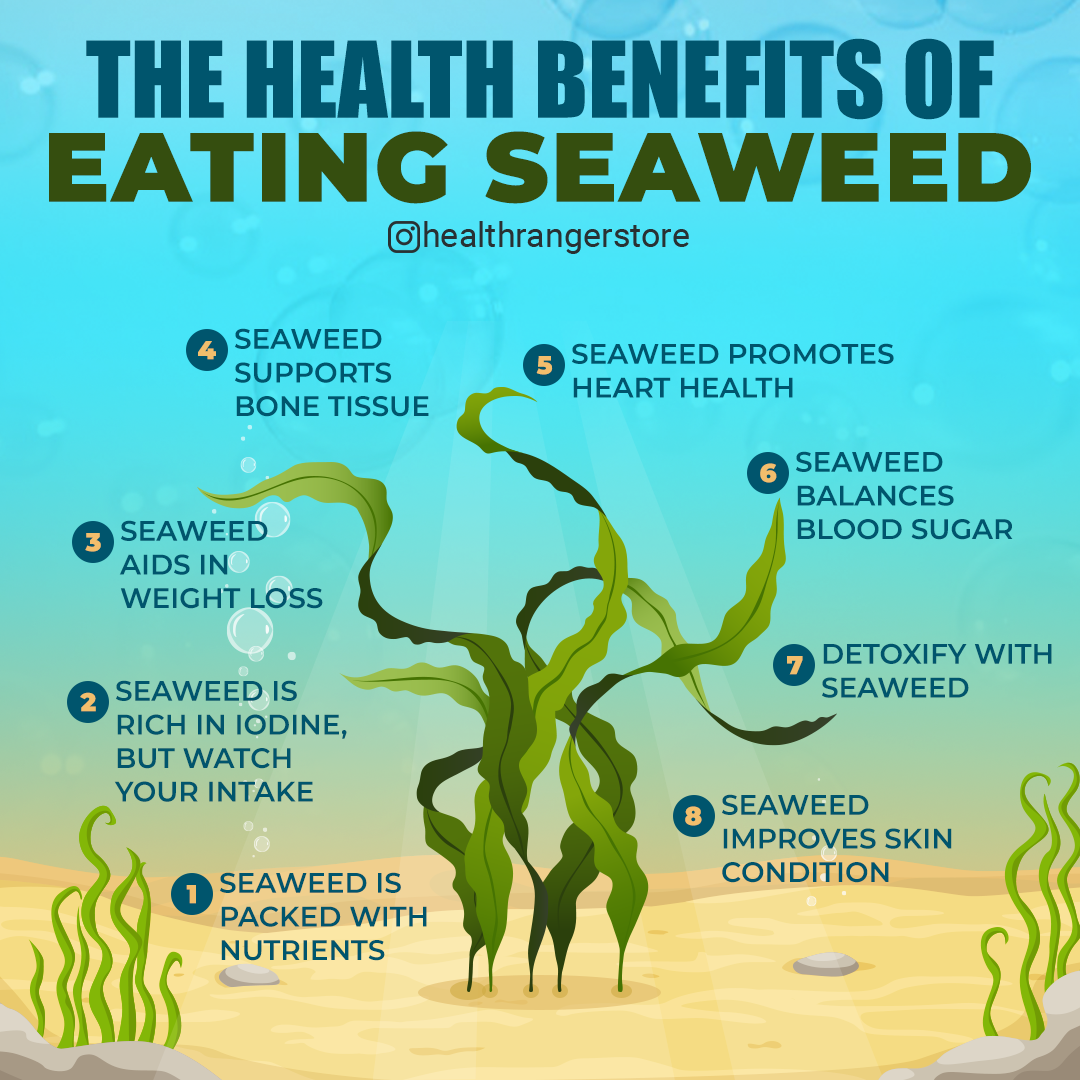

The ocean, a vast and mysterious realm, has always held a peculiar allure. From ancient mariners charting unknown waters to modern scientists plumbing its depths for secrets, humanity has long been drawn to its power and enigma. But beyond the crashing waves and the shimmering surface lies an underwater garden, a verdant tapestry of life that has sustained coastal communities for millennia. Among its most humble yet potent inhabitants are the seaweeds – macroalgae that sway with the currents, absorbing the ocean’s boundless energy and nutrients.
For centuries, these marine botanicals have graced dinner tables and traditional medicine cabinets, revered for their distinctive flavors and perceived health benefits. Yet, in our modern quest for radiant skin, we often turn to laboratories and complex chemical formulations. What if the answer, or at least a significant part of it, lay not in a sterile beaker but in the salty embrace of the sea itself? Can the humble seaweed, consumed as food, truly translate its oceanic vitality into a glowing, resilient complexion? This is not merely a question of nutrition; it’s an exploration into the intricate dance between our internal ecosystem and the external reflection of our health, a story whispered by the ocean and written on our skin.
The Unseen Power Beneath the Waves: Seaweed’s Nutritional Symphony
To understand how seaweed might benefit our skin, we must first appreciate the extraordinary environment from which it springs. Seaweed thrives in a medium rich in minerals, trace elements, and unique bioactive compounds that are often scarce in terrestrial plants. It is, in essence, a hyper-concentrated package of marine goodness, a nutritional symphony composed by the very forces of the ocean.
Imagine a seaweed frond, anchored to a rock, constantly bathed in a mineral-rich solution. Unlike land plants that draw nutrients from soil, seaweed absorbs directly from seawater, accumulating a vast spectrum of elements. This includes macro-minerals like calcium, magnesium, and potassium, crucial for cell function and hydration, alongside an impressive array of trace elements such as zinc, selenium, copper, and iodine. These aren’t just obscure footnotes in a nutritional chart; they are the unsung heroes of cellular health, each playing a vital role in processes that directly impact the vitality and appearance of our skin.
But the story doesn’t end with minerals. Seaweed is a diverse kingdom, encompassing red, green, and brown varieties, each with its own unique biochemical signature. They are surprisingly rich in vitamins – not just the familiar Vitamin C and E, powerful antioxidants that combat free radical damage, but also a spectrum of B vitamins, essential for cellular metabolism and skin barrier function. Some seaweeds even contain significant amounts of Vitamin A (in the form of beta-carotene), a precursor to retinol, renowned for its anti-aging and skin-renewing properties.
Beyond the conventional vitamins and minerals, seaweed boasts an arsenal of more specialized compounds:
- Polysaccharides: These complex carbohydrates, such as fucoidans, alginates, and carrageenans, are perhaps the most celebrated of seaweed’s gifts. They are incredibly hydrophilic, meaning they love water, and thus act as potent humectants, drawing moisture into the skin and forming a protective, hydrating barrier. More than just hydrators, many polysaccharides exhibit anti-inflammatory, antioxidant, and even collagen-boosting properties.
- Amino Acids and Proteins: As the building blocks of life, amino acids are fundamental for healthy skin. They are essential for the production of collagen and elastin, the structural proteins that give skin its firmness and elasticity. Seaweeds provide a diverse profile of these vital compounds.
- Fatty Acids: While not typically thought of as a primary source, some seaweeds contain beneficial fatty acids, including omega-3s. These essential fats are crucial for maintaining the skin’s lipid barrier, reducing inflammation, and promoting overall skin health.
- Phytochemicals and Bioactive Compounds: This is where seaweed truly shines. Its vibrant colors often betray the presence of powerful pigments and polyphenols, such as fucoxanthin (a carotenoid found in brown seaweed) and phlorotannins (unique to brown algae). These compounds are extraordinary antioxidants, far surpassing many terrestrial counterparts in their ability to neutralize free radicals, protect against UV damage, and exhibit potent anti-inflammatory effects. They are the seaweed’s natural defense mechanisms against harsh marine environments, and they offer similar protective benefits to our cells.
The Inner Glow: How Seaweed’s Nutrients Translate to Skin Health
The journey from the ocean floor to our skin is an intricate one, mediated by our digestive system and cellular processes. When we consume seaweed, these marine treasures are broken down, absorbed, and then distributed throughout the body, where they can exert their beneficial effects on a cellular level.
1. The Hydration Hypothesis: Quenching Skin’s Thirst from Within
One of the most immediate and visible benefits of well-nourished skin is its hydration. Dehydrated skin appears dull, fine lines are more pronounced, and its barrier function is compromised. Seaweed, particularly due to its polysaccharide content, plays a crucial role here. When consumed, these complex sugars can contribute to overall bodily hydration and support the skin’s natural moisturizing factors.
Furthermore, the full spectrum of minerals in seaweed, like magnesium and potassium, are electrolytes vital for maintaining fluid balance within cells. Optimal cellular hydration means plumper, more supple skin, and a stronger epidermal barrier that can better retain moisture and fend off environmental aggressors. This "inside-out" hydration is more profound and lasting than topical application alone, as it nourishes the skin cells at their very genesis.
2. The Antioxidant Army: Fighting the Battle Against Aging
Our skin is constantly under assault from free radicals, unstable molecules generated by UV radiation, pollution, stress, and even normal metabolic processes. These free radicals cause oxidative stress, damaging cellular structures, accelerating collagen breakdown, and leading to premature aging, characterized by wrinkles, sagging, and uneven tone.
Seaweed’s robust antioxidant profile – particularly its high levels of vitamins C and E, selenium, zinc, and unique polyphenols like phlorotannins and carotenoids like fucoxanthin – acts as a powerful internal defense system. When these compounds are ingested, they circulate throughout the body, reaching the skin cells and neutralizing free radicals before they can inflict damage. This pre-emptive strike helps to preserve collagen and elastin, maintain cellular integrity, and reduce the visible signs of aging. It’s like having a personal bodyguard for your skin cells, constantly patrolling against molecular threats.
3. The Anti-Inflammatory Imperative: Calming the Storm Below the Surface
Chronic low-grade inflammation is a silent aggressor, contributing to a host of skin concerns from acne and rosacea to eczema and premature aging. It disrupts the skin barrier, triggers collagen degradation, and impairs the skin’s ability to heal and regenerate.
Many compounds found in seaweed, especially fucoidans, certain carotenoids, and omega-3 fatty acids, possess significant anti-inflammatory properties. When consumed, these compounds can modulate inflammatory pathways within the body, reducing systemic inflammation that often manifests on the skin. For those struggling with inflammatory skin conditions, incorporating seaweed into the diet can be a gentle yet effective strategy to soothe irritation, reduce redness, and promote a more balanced, harmonious complexion. It’s about addressing the root cause of inflammation, rather than just treating the symptoms.
4. Collagen and Elastin Support: Building Blocks for Firmness
Collagen and elastin are the scaffolding of youthful skin, providing its strength, firmness, and elasticity. As we age, their production naturally declines, and existing fibers become damaged. Seaweed offers support in multiple ways.
Firstly, its rich amino acid profile provides the raw materials necessary for collagen and elastin synthesis. Think of it as supplying the bricks and mortar for skin repair. Secondly, vitamins like Vitamin C are crucial co-factors in collagen production. Thirdly, and perhaps most fascinatingly, some seaweed compounds, particularly certain polysaccharides and polyphenols, have been shown to inhibit enzymes (like matrix metalloproteinases or MMPs) that degrade collagen and elastin. By protecting these vital proteins and providing their building blocks, seaweed helps to maintain the skin’s structural integrity, leading to a firmer, more resilient appearance.
5. Detoxification and Clarity: Aiding the Body’s Natural Cleansing
The skin is an excretory organ, reflecting the internal state of our body. A sluggish digestive system or an overloaded detoxification pathway can manifest as dullness, breakouts, or congestion. Seaweed, particularly brown varieties, is rich in alginates, a type of polysaccharide known for its ability to bind to heavy metals and toxins in the digestive tract, facilitating their excretion from the body.